





Marbled White
Melanargia galathea
The Marbled White is a beautiful butterfly with white wings and black patterns. It loves to flutter around flowers and is often seen in sunny fields during the summer.
Habitat: Grasslands
The Marbled White has striking black and white chequered wings, like a miniature chessboard pattern, which makes it stand out against green foliage. Its underwings are also beautifully patterned but slightly paler, often with small, ringed 'eyespots' near the tips, differing from many other butterflies.
Category
InsectsRarity
Common
Danger
1/5 · Very low
Snaps
Be the first to snap!
Adult Marbled Whites only live for about two weeks, making every moment count!
It's one of the few butterflies that lay eggs by just dropping them!
Marbled White caterpillars live through winter, hibernating in the grass!
Their wings aren't actually white, but a pale cream or yellowish colour!
Marbled Whites have unique chequered wing patterns that help them blend in with dappled light and shadows, making them tricky for predators to spot.
The Marbled White can unfurl a long, straw-like proboscis to sip sweet nectar deep from flowers, providing vital energy for flight and reproduction.
Marbled Whites have the unusual ability to simply drop their eggs into long grasses, ensuring their caterpillars hatch near abundant food.
The Marbled White caterpillar has strong mandibles that help them chew through tough grass blades, growing big before becoming a butterfly.
Adults drink flower nectar, while their caterpillars munch on various types of grass.
Age differences: Larvae (caterpillars) feed exclusively on grasses, while adults consume nectar from various flowers.
Dactylis glomerata
Larval caterpillars feed on its leaves.
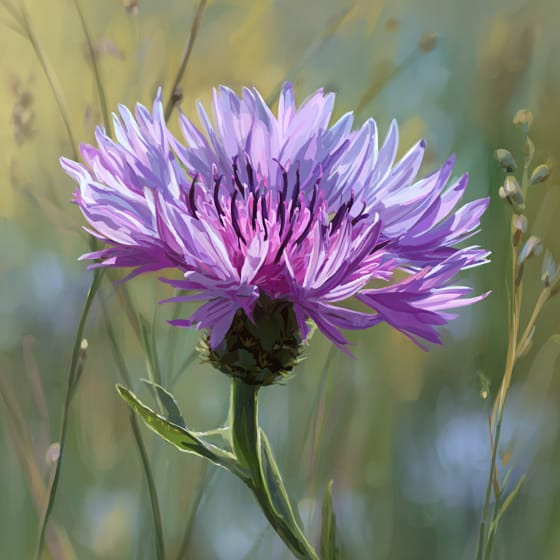
Centaurea nigra
Adult butterflies visit its flowers for nectar.
Cyanistes caeruleus
Adult Marbled Whites can be prey for birds.
Araneus diadematus
Butterflies can become trapped in their webs.
Solitary animals live alone for most of their lives, only interacting with others for mating or parental care.
Camouflaged describes organisms that possess coloring or patterns that allow them to blend into their environment.
Colorful describes organisms or objects displaying a wide range of bright and distinct colors.
Grassland habitats are terrestrial biomes dominated by grasses and herbaceous plants, supporting a variety of grazing animals.

This trait characterizes organisms whose diet consists entirely or primarily of plant material.

Describes plants that are particularly attractive and beneficial to a wide range of pollinating organisms.

Diurnal animals are primarily active during daylight hours, typically resting or sleeping at night.

Describes organisms that transfer pollen, enabling the fertilization and reproduction of plants.
Danger
1/5 · Very low
Be gentle and watch butterflies from a distance so you don't scare them away.
The easiest way to identify Marbled White is to use the Snappit nature identifier app.
40-52 mm
20-25 mm
14-21 days
10 km/h
Adults drink flower nectar, while their caterpillars munch on various types of grass.
Grasslands
Foraging
Zoom in to split clusters and explore where this object has been snapped.
Recent snaps will appear here as new observations are added.
Take the discovery with you
Snap it with Snappit to identify it, learn what makes it special, and add the discovery to your collection.






.jpg&width=800)



