





Mata mata
Chelus fimbriatus
The mata mata is a unique turtle that looks like a piece of wood or a leaf! It has a flat, wide shell and a funny face, making it one of the most interesting turtles in the world.
Habitat: Wetlands
The Mata mata has an incredibly flat, triangular head with a distinctive snorkel-like snout and a wide, frog-like mouth. Its irregular, bumpy shell and rough, leafy skin flaps provide exceptional camouflage, making it look like a pile of decaying leaves on the riverbed.
Category
ReptilesRarity
Rare
Danger
1/5 · Very low
Snaps
Be the first to snap!
Its super-flat, leaf-like head makes it perfectly invisible among river debris.
Mata matas smell prey by sensing tiny chemicals in the water.
They never chase food, instead patiently waiting for hours to ambush unlucky fish.
This turtle cannot pull its head completely inside its shell for protection.
Mata mata has rough, leaf-like skin and a bumpy shell that help them camouflage perfectly among riverbed debris.
Mata mata can suddenly open its wide mouth, creating a powerful vacuum that sucks in unsuspecting fish and prey instantly.
Mata mata has a tube-like snout that works like a snorkel, letting it breathe air while remaining completely hidden underwater.
This sneaky turtle waits perfectly still to ambush small fish and amphibians with a quick gulp!
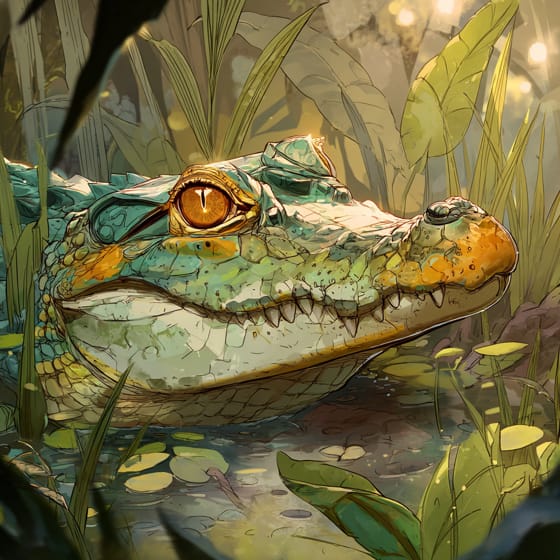
Caiman crocodilus
Juvenile Mata matas can be prey for caimans.
Eunectes murinus
Large anacondas may prey on adult Mata matas.
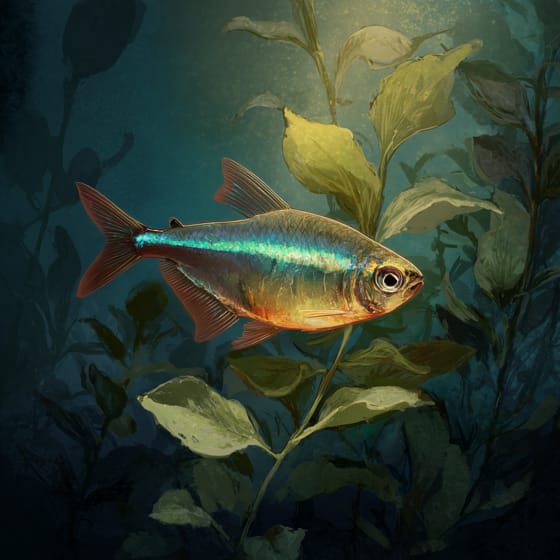
Hyphessobrycon herbertaxelrodi
One of many small fish species hunted by the turtle.
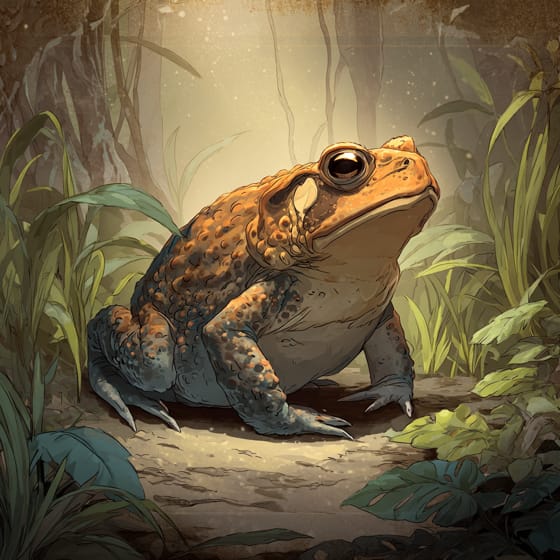
Rhinella marina
Mata matas ambush tadpoles of various amphibian species.
Solitary animals live alone for most of their lives, only interacting with others for mating or parental care.
Camouflaged describes organisms that possess coloring or patterns that allow them to blend into their environment.
Piscivorous organisms are animals that primarily subsist on a diet of fish.
An ambush predator hunts by patiently waiting and concealing itself, then launching a sudden attack when unsuspecting prey comes within range.

This habitat trait identifies species found in wetlands, which are areas of land saturated with water, either permanently or seasonally, including marshes, swamps, and bogs.

This trait identifies organisms whose diet consists entirely or primarily of animal tissue.

Aquatic habitats encompass environments where organisms live predominantly in water, including oceans, rivers, lakes, and wetlands.

Endangered status indicates a species is at a very high risk of extinction in the wild in the near future.
Danger
1/5 · Very low
Always watch turtles from a distance and never try to touch them in the wild.
The easiest way to identify Mata mata is to use the Snappit nature identifier app.
30-50 cm
1-5 kg
15-30 years
0.2 km/h
This sneaky turtle waits perfectly still to ambush small fish and amphibians with a quick gulp!
0.5 km/h
Wetlands
Zoom in to split clusters and explore where this object has been snapped.
Recent snaps will appear here as new observations are added.
Take the discovery with you
Snap it with Snappit to identify it, learn what makes it special, and add the discovery to your collection.
















