





Meadowhawks
Sympetrum
Meadowhawks are colorful dragonflies that love to fly around sunny meadows and ponds. They have big eyes and can often be seen resting on plants or flying quickly through the air.
Habitat: Wetlands
The Meadowhawks is a genus of small to medium-sized dragonflies, often recognized by their striking red or orange bodies in males and yellowish-brown bodies in females. They typically have clear or sometimes amber-tinted wings, and a relatively stout abdomen compared to other dragonflies.
Category
InsectsRarity
Common
Danger
1/5 · Very low
Snaps
Be the first to snap!
Meadowhawk babies live underwater for months before becoming flying adults!
Some Meadowhawks migrate hundreds of miles for winter, like birds!
Their scientific name, *Sympetrum*, means 'with spotted wings'!
They have nearly 360-degree vision thanks to their huge, compound eyes!
Meadowhawks can snatch flying insects right out of the air because of their excellent eyesight and agile flight, helping them catch fast-moving prey.
Meadowhawks can control their body temperature by angling their bodies towards or away from the sun, helping them stay active in various conditions.
Meadowhawk nymphs can blend into their aquatic surroundings because of their drab coloration and flattened bodies, helping them hide from predators.
Meadowhawks are expert hunters, eating all sorts of small flying insects.
Age differences: Nymphs eat aquatic insects, while adults eat flying insects caught in the air.
Aedes aegypti
Adult Meadowhawks eat mosquitoes.
Musca domestica
Adult Meadowhawks prey on house flies.
Rana catesbeiana
Bullfrogs will eat adult Meadowhawks.
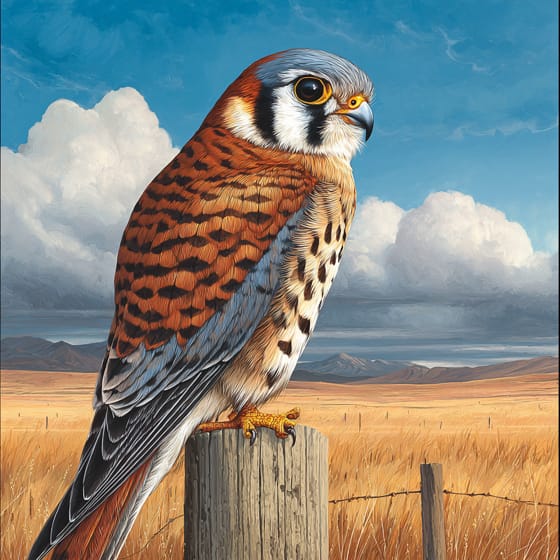
Falco sparverius
Kestrels hunt Meadowhawks as prey.
Solitary animals live alone for most of their lives, only interacting with others for mating or parental care.
Aerial creatures spend a significant portion of their lives airborne, utilizing flight for various activities such as hunting, migration, or nesting.
Colorful describes organisms or objects displaying a wide range of bright and distinct colors.
This trait identifies organisms whose diet primarily consists of insects and other small invertebrates.

This habitat trait identifies species found in wetlands, which are areas of land saturated with water, either permanently or seasonally, including marshes, swamps, and bogs.

Diurnal animals are primarily active during daylight hours, typically resting or sleeping at night.

Describes a species whose presence and role have a disproportionately large effect on its environment.

This trait identifies organisms that exhibit exceptional swiftness in movement for hunting, escape, or travel.

Describes organisms that transfer pollen, enabling the fertilization and reproduction of plants.
No aliases listed yet.
Danger
1/5 · Very low
Be careful not to touch them, as they are delicate and can fly away quickly.
The easiest way to identify Meadowhawks is to use the Snappit nature identifier app.
40-70 mm
25-45 mm
30-90 days
35 km/h
Meadowhawks are expert hunters, eating all sorts of small flying insects.
Wetlands
Pursuit
Zoom in to split clusters and explore where this object has been snapped.
Recent snaps will appear here as new observations are added.
Take the discovery with you
Snap it with Snappit to identify it, learn what makes it special, and add the discovery to your collection.








.jpg&width=800)


