




Mediterranean Flour Moth
Ephestia kuehniella
The Mediterranean Flour Moth is a small, brown moth that loves to eat grains and flour. They are often found in kitchens and pantries, where they can be a little pesky!
Habitat: Urban areas
The Mediterranean Flour Moth has a grey body and forewings marked with distinctive wavy, dark zigzag lines and a pale fringe. Its hindwings are a uniform whitish-grey. When at rest, it holds its wings folded flat, giving it a streamlined appearance, which distinguishes it from many other moths.
Category
InsectsRarity
Common
Danger
1/5 · Very low
Snaps
Be the first to snap!
Larvae spin so much silk they can clog machines in bakeries!
Some scientists study their silk to make new super-strong materials!
These moths often sneak into your home by hitchhiking on groceries!
They can chew through thin plastic bags to get to your food!
Mediterranean Flour Moth larvae can spin vast amounts of sticky silk because it helps them build feeding tunnels and protective cocoons.
Mediterranean Flour Moth has special enzymes that help it digest a wide range of dry, stored products like flour and cereals.
Mediterranean Flour Moths can lay hundreds of eggs quickly because it helps ensure many offspring survive to become new adults.
These moths feast on dry foods like flour, grains, and nuts, making them pantry pests!
Age differences: Larvae eat solid foods, but adult moths rarely feed at all.
Trichogramma pretiosum
These tiny wasps lay their eggs inside the moth's eggs.
Habrobracon hebetor
This wasp stings and paralyzes moth larvae before laying eggs on them.
Triticum aestivum
Moth larvae feed on stored wheat grains and flour made from them.
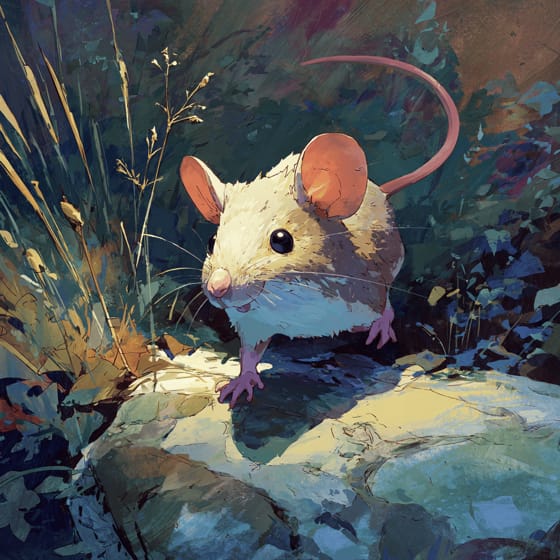
Mus musculus
Mice may consume moth larvae and pupae found in infested food.
Solitary animals live alone for most of their lives, only interacting with others for mating or parental care.
Scavengers consume dead organic matter, helping to decompose carcasses and other waste in the ecosystem.
Camouflaged describes organisms that possess coloring or patterns that allow them to blend into their environment.
This trait characterizes organisms whose diet consists entirely or primarily of plant material.

Describes organisms that break down dead organic material, recycling nutrients back into the ecosystem.

Pertaining to species that are significantly smaller than typical or average for their kind.

This habitat trait indicates species that can coexist with humans in urban and suburban environments, utilizing man-made structures and green spaces.

Nocturnal animals are primarily active during the nighttime hours, typically resting or sleeping during the day.
No aliases listed yet.
Danger
1/5 · Very low
If you see a moth, it's best to leave it alone and tell an adult.
The easiest way to identify Mediterranean Flour Moth is to use the Snappit nature identifier app.
20-25 mm
10-14 mm
7-10 days
These moths feast on dry foods like flour, grains, and nuts, making them pantry pests!
Urban areas
Foraging
6
Zoom in to split clusters and explore where this object has been snapped.
Recent snaps will appear here as new observations are added.
Take the discovery with you
Snap it with Snappit to identify it, learn what makes it special, and add the discovery to your collection.








.jpg&width=800)




