





Mediterranean Tortoises
Testudo
Mediterranean tortoises are slow-moving reptiles with hard shells that protect them. They love to bask in the sun and munch on plants in warm, dry areas.
Habitat: Grasslands
The Mediterranean Tortoises has a distinctive high-domed or flattened shell, typically colored yellowish, olive, or dark brown with contrasting dark blotches. Their thick, scaled legs and blunt head are often lighter. Some species feature a horny spur on each thigh or a hinged plastron.
Category
ReptilesRarity
Common
Danger
1/5 · Very low
Snaps
Be the first to snap!
Some Mediterranean tortoises can tell the time of year by how long the days are!
These amazing reptiles can go without food for many months by slowing down their bodies!
They can live for over 100 years, remembering places and events from decades ago!
Tortoises don't have teeth; they use a sharp, horny beak to snip off plants!
Mediterranean Tortoises can pull their entire body inside their tough, bony shell that helps them hide from danger.
Mediterranean Tortoises can hibernate underground during cold winters or hot summers that helps them survive harsh conditions.
Mediterranean Tortoises can store water inside their bodies that helps them survive long periods without drinking.
These slow-moving plant-eaters munch on leaves, flowers, and fruits found close to the ground.
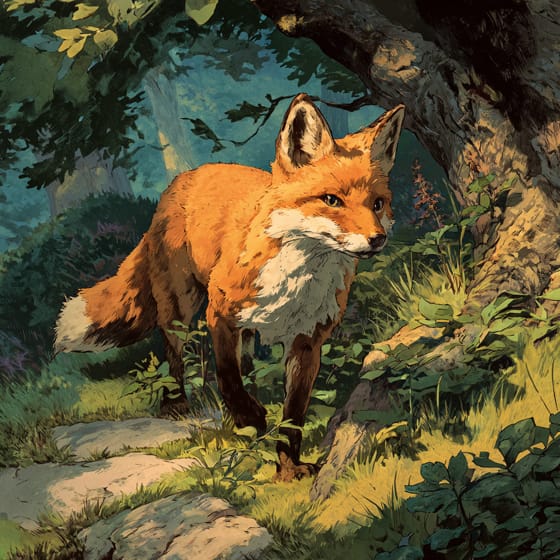
Vulpes vulpes
preys on eggs and young hatchlings
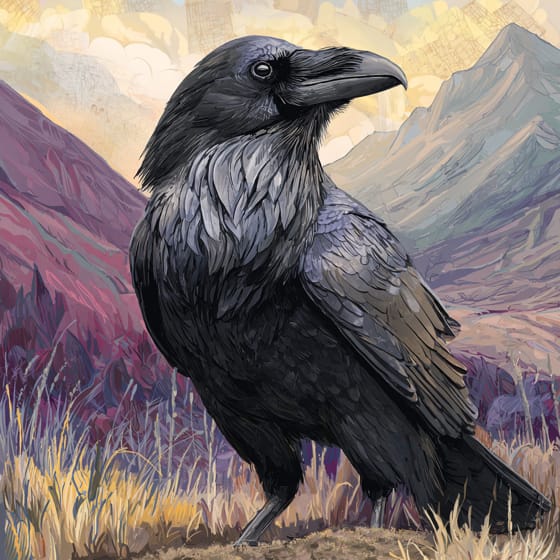
Corvus corax
preys on eggs and small tortoises

Trifolium repens
forages on its leaves and flowers
Cynodon dactylon
grazes on this common grass
Solitary animals live alone for most of their lives, only interacting with others for mating or parental care.
Grassland habitats are terrestrial biomes dominated by grasses and herbaceous plants, supporting a variety of grazing animals.
This trait characterizes organisms whose diet consists entirely or primarily of plant material.
This trait signifies organisms belonging to a very old evolutionary group with ancestors dating back millions of years.

This trait characterizes organisms with an exceptionally long lifespan compared to others of their kind.

Armored describes animals protected by a hard, external covering or shell for defense.

Diurnal animals are primarily active during daylight hours, typically resting or sleeping at night.

Endangered status indicates a species is at a very high risk of extinction in the wild in the near future.
No aliases listed yet.
Danger
1/5 · Very low
Always watch tortoises from a distance and never pick them up without an adult's help.
The easiest way to identify Mediterranean Tortoises is to use the Snappit nature identifier app.
15-35 cm
1-5 kg
50-100 years
0.5 km/h
These slow-moving plant-eaters munch on leaves, flowers, and fruits found close to the ground.
Grasslands
Foraging
Zoom in to split clusters and explore where this object has been snapped.
Recent snaps will appear here as new observations are added.
Take the discovery with you
Snap it with Snappit to identify it, learn what makes it special, and add the discovery to your collection.














