





Messor Harvester Ants
Messor
Messor Harvester Ants are busy little insects that gather seeds to eat. They work together in big groups to find food and build their homes underground.
Habitat: Grasslands
The Messor Harvester Ants has a robust, dark-colored body, typically reddish-brown to black, with a noticeably large head and strong mandibles. Their bodies are segment-like and often feature a slightly glossy sheen, distinguishing them from other ants by their powerful build.
Category
InsectsRarity
Common
Danger
2/5 · Low
Snaps
Be the first to snap!
A single colony can collect millions of seeds in a year!
If their stored seeds get wet, they dry them in the sun before storing again!
Some Messor ant queens can live over a decade, much longer than other ants!
They can tell their nestmates where to find the best food patches.
Messor Harvester Ants can efficiently collect and process seeds because of their strong mandibles that help them grind tough seed husks into 'ant bread'.
Messor Harvester Ants has specialized underground chambers that helps them store vast quantities of seeds, protecting their food supply from moisture and pests.
Messor Harvester Ants can spread plant seeds to new locations because they drop uneaten parts, helping plants germinate and grow in new areas.
These ants mostly eat seeds, but also enjoy small insects when they find them.
Acacia tortilis
Relies on ants to carry and plant its seeds.
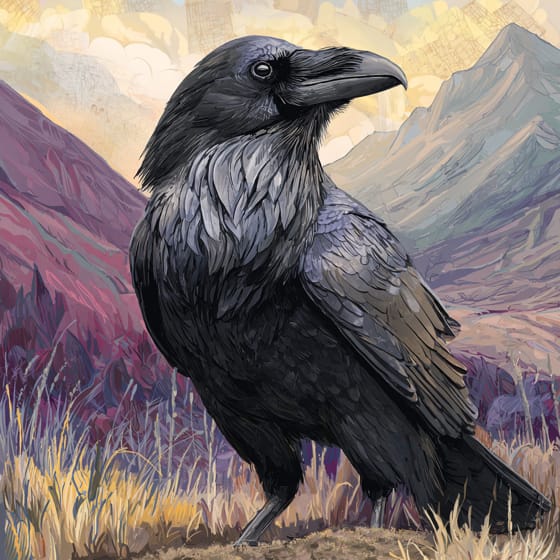
Corvus corax
Feeds on ant colonies, including Messor species.

Pogona vitticeps
Eats various insects, including Messor ants.
Triticum durum
Collects and consumes the seeds of this plant.
Social animals live in organized groups, cooperating for survival benefits such as foraging, defense, and raising offspring.
Burrowing animals dig tunnels and chambers in the ground, using these subterranean structures for shelter, hunting, or breeding.
Grassland habitats are terrestrial biomes dominated by grasses and herbaceous plants, supporting a variety of grazing animals.
This trait characterizes organisms whose diet consists entirely or primarily of plant material.

Describes a species whose presence and role have a disproportionately large effect on its environment.

Describes organisms that transfer pollen, enabling the fertilization and reproduction of plants.
No aliases listed yet.
Danger
2/5 · Low
Be careful not to disturb ant nests, as they can bite if they feel threatened.
The easiest way to identify Messor Harvester Ants is to use the Snappit nature identifier app.
3-12 mm
60-90 days
These ants mostly eat seeds, but also enjoy small insects when they find them.
Grasslands
Foraging
6
5000-20000
Zoom in to split clusters and explore where this object has been snapped.
Recent snaps will appear here as new observations are added.
Take the discovery with you
Snap it with Snappit to identify it, learn what makes it special, and add the discovery to your collection.







.jpg&width=800)



