





Central Bearded Dragon
Pogona vitticeps
The Central Bearded Dragon is a friendly lizard that loves to bask in the sun. They have a spiky beard that puffs up when they're excited or feeling brave!
Habitat: Desert
The Central Bearded Dragon has a broad, flattened body covered in spiky scales, particularly around its head and throat, forming a 'beard'. Its coloration ranges from tan and brown to grey, often with patterns that blend into its arid environment, making it visually distinct with its textured, rugged appearance.
Category
ReptilesRarity
Common
Danger
1/5 · Very low
Snaps
Be the first to snap!
Bearded dragons communicate by head-bobbing and waving their arms!
These lizards can run surprisingly fast on two legs to escape danger!
They can go without food or water for long periods in the desert.
Young bearded dragons often eat their own shed skin, full of nutrients!
Central Bearded Dragons can inflate their throat and puff up their bodies, making their 'beard' spikes stand out to scare off threats.
Central Bearded Dragons can change their skin color to regulate body temperature and communicate their mood to other dragons.
Central Bearded Dragons have a 'third eye' on top of their head that helps them sense changes in light, warning them of predators from above.
These omnivores munch on both tasty insects and fresh plants.
Age differences: Young dragons eat mostly insects, while adults consume more plants.
Aquila audax
Birds of prey hunt dragons.
Varanus gouldii
Larger lizards prey on dragons.
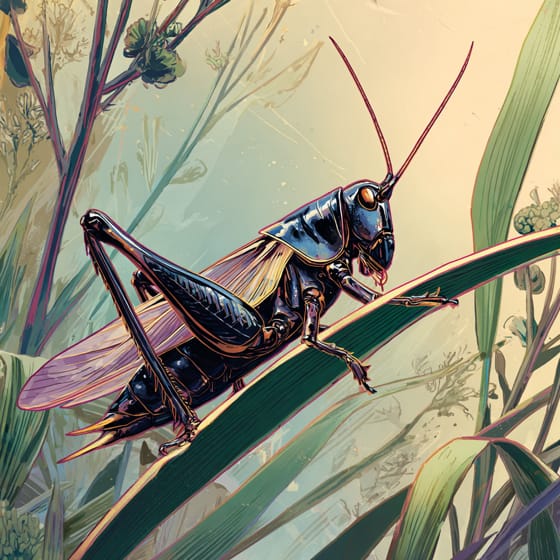
Gryllus bimaculatus
Dragons actively hunt insects.
Acacia aneura
Dragons feed on native plants.
Social animals live in organized groups, cooperating for survival benefits such as foraging, defense, and raising offspring.
This trait identifies organisms whose diet includes both plant and animal matter.
This trait identifies organisms whose diet primarily consists of insects and other small invertebrates.
Desert habitats are arid regions characterized by extremely low precipitation and often extreme temperatures, supporting specialized flora and fauna.

This trait characterizes organisms with an exceptionally long lifespan compared to others of their kind.

Possessing sharp, pointed projections or spines on the body or surface.

Diurnal animals are primarily active during daylight hours, typically resting or sleeping at night.

This trait identifies organisms that exhibit exceptional swiftness in movement for hunting, escape, or travel.
No aliases listed yet.
Danger
1/5 · Very low
Always wash your hands after touching a lizard to stay safe and healthy.
The easiest way to identify Central Bearded Dragon is to use the Snappit nature identifier app.
40-60 cm
0.25-0.6 kg
10-15 years
18 km/h
These omnivores munch on both tasty insects and fresh plants.
Desert
Foraging
Zoom in to split clusters and explore where this object has been snapped.
Recent snaps will appear here as new observations are added.
Take the discovery with you
Snap it with Snappit to identify it, learn what makes it special, and add the discovery to your collection.













