





Mexican Bush Katydid
scudderia mexicana
The Mexican Bush Katydid is a green insect that looks like a leaf! It loves to jump around and make music at night with its chirping sounds.
Habitat: They live in forests, grasslands, and gardens throughout Mexico and the southwestern United States.
The Mexican Bush Katydid is a slender insect, typically bright green, perfectly camouflaged among foliage. It has very long, thread-like antennae and leaf-shaped wings that extend noticeably beyond its body, making it hard to distinguish from plant leaves.
Category
InsectsRarity
Common
Danger
0/5 · No known danger
Snaps
1
Female katydids lay their eggs inside plant stems or leaves using a special tool!
Males make their loud songs by rubbing their wings together like a tiny violin!
Some katydids have ears on their front legs, near their 'knees'! Wow!
Their super long antennae can be twice as long as their whole body!
Mexican Bush Katydid has flattened green wings and body that perfectly mimic leaves, helping them disappear into foliage to hide from predators.
Mexican Bush Katydid has special 'ears' located on its front legs that help them detect tiny vibrations and the songs of other katydids.
Mexican Bush Katydid can use its strong, muscular hind legs to launch itself many times its body length, escaping danger quickly.
They munch on green leaves, flowers, and sometimes even tiny insects.
Otus asio
a nocturnal snack
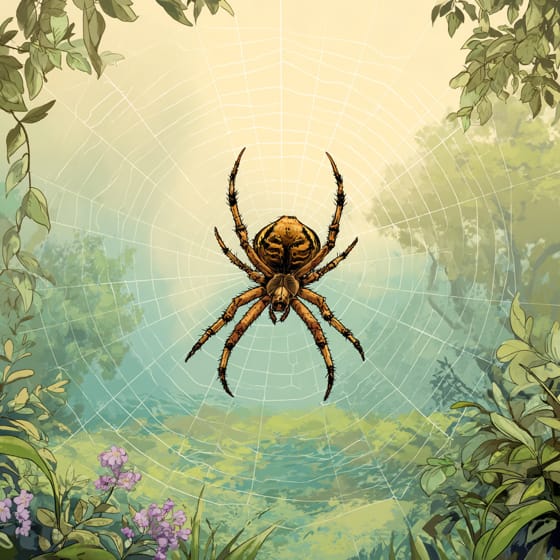
Argiope aurantia
a tasty meal
.jpg&width=800)
Stagmomantis carolina
a high-protein dinner

Quercus virginiana
its tender leaves
Social animals live in organized groups, cooperating for survival benefits such as foraging, defense, and raising offspring.
Arboreal animals live primarily in trees, utilizing them for shelter, food, and protection from predators.
Camouflaged describes organisms that possess coloring or patterns that allow them to blend into their environment.
This trait characterizes organisms whose diet consists entirely or primarily of plant material.

This trait identifies organisms whose diet consists entirely or primarily of animal tissue.

Diurnal animals are primarily active during daylight hours, typically resting or sleeping at night.
Danger
0/5 · No known danger
No special safety notes yet.
The easiest way to identify Mexican Bush Katydid is to use the Snappit nature identifier app.
70-100 mm
35-50 mm
60-180 days
They munch on green leaves, flowers, and sometimes even tiny insects.
They live in forests, grasslands, and gardens throughout Mexico and the southwestern United States.
Foraging
6
Zoom in to split clusters and explore where this object has been snapped.
Take the discovery with you
Snap it with Snappit to identify it, learn what makes it special, and add the discovery to your collection.








.jpg&width=800)




