





Microbembex
Microbembex
Microbembex is a tiny, fascinating insect that loves to dig in the sand. These little creatures are great at making homes in sandy areas where they can hide and play.
Habitat: Sandy areas
The Microbembex is a medium-sized sand wasp, typically marked with black and bright yellow bands on its abdomen. It has a stout body, large compound eyes, and clear wings. Its strong legs are adapted for digging in loose soil.
Category
InsectsRarity
Common
Danger
1/5 · Very low
Snaps
Be the first to snap!
Adult Microbembex wasps are excellent fliers, darting swiftly over sandy habitats!
Each Microbembex female digs her own nest, making her a solitary insect hero!
Some Microbembex species can briefly 'play dead' to avoid predators!
They keep their developing young safe underground in specially dug chambers!
Microbembex can rapidly dig tunnels in loose sand using specialized leg bristles, creating quick nests and escapes.
Microbembex has a paralyzing sting that helps them catch and store food for their developing larvae underground.
Microbembex can construct open, unsealed burrows, allowing swift access and exit from their sandy nests.
Adult Microbembex drink flower nectar, while their larvae feast on paralyzed insects.
Age differences: Adults consume nectar for energy; larvae are provisioned with paralyzed insects by the mother.
Musca domestica
Microbembex wasps paralyze and provide flies for their young.
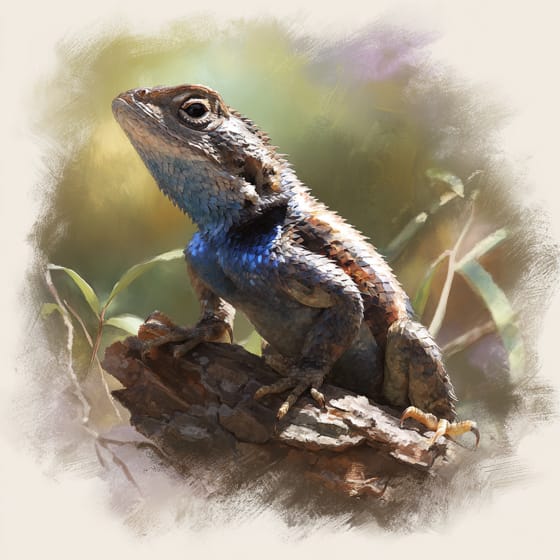
Sceloporus undulatus
Lizards and birds may prey on adult Microbembex wasps.
Solidago canadensis
Adult Microbembex feed on nectar from these flowering plants.
Solitary animals live alone for most of their lives, only interacting with others for mating or parental care.
Burrowing animals dig tunnels and chambers in the ground, using these subterranean structures for shelter, hunting, or breeding.
This trait identifies organisms whose diet primarily consists of insects and other small invertebrates.
Describes organisms that break down dead organic material, recycling nutrients back into the ecosystem.

Coastal habitats are dynamic environments located along the interface between land and sea, influenced by tides, waves, and saltwater.

Pertaining to species that are significantly smaller than typical or average for their kind.

This trait identifies organisms that exhibit exceptional swiftness in movement for hunting, escape, or travel.

Describes organisms that transfer pollen, enabling the fertilization and reproduction of plants.
No aliases listed yet.
Danger
1/5 · Very low
Be careful when playing in the sand, and watch where you step to protect little insects like Microbembex.
The easiest way to identify Microbembex is to use the Snappit nature identifier app.
12-22 mm
8-15 mm
20-45 days
12 km/h
Adult Microbembex drink flower nectar, while their larvae feast on paralyzed insects.
Sandy areas
Pursuit
Zoom in to split clusters and explore where this object has been snapped.
Recent snaps will appear here as new observations are added.
Take the discovery with you
Snap it with Snappit to identify it, learn what makes it special, and add the discovery to your collection.










.jpg&width=800)




