





Microrhopala rubrolineata
Microrhopala rubrolineata
The Microrhopala rubrolineata is a small, colorful beetle with bright red stripes. It loves to munch on plants and can be found in gardens and fields, making it a fun little friend for nature explorers!
Habitat: Gardens and fields
The Microrhopala rubrolineata is a small, elongated beetle characterized by its glossy black body adorned with striking longitudinal red stripes. Its flattened shape and contrasting colors make it distinctive among similar leaf beetles.
Category
InsectsRarity
Common
Danger
1/5 · Very low
Snaps
Be the first to snap!
It has special feet that help it cling upside down under leaves!
Its babies live inside leaves, munching tunnels as they grow!
This beetle sometimes plays dead if a predator gets too close!
You'll often find it snacking only on goldenrod or aster plants!
Microrhopala rubrolineata can deter predators with foul-tasting compounds because of special glands that help them avoid being eaten.
Microrhopala rubrolineata larvae can hide inside leaves by munching tunnels, which helps them stay safe from predators while they grow.
Microrhopala rubrolineata has tiny claws and sticky pads on its feet that help them cling tightly to plant surfaces, even in windy conditions.
This beetle loves to munch on the leaves of specific plants, like goldenrod.
Age differences: Larvae tunnel and feed inside leaves, while adults eat the leaf surface.
Solidago canadensis
A primary food source for adults and larvae.
.jpg&width=800)
Symphyotrichum novae-angliae
Another preferred host plant for feeding and reproduction.
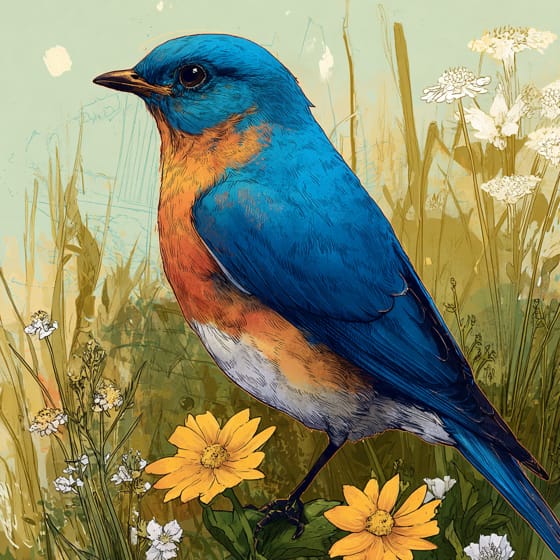
Sialia sialis
A common bird that preys on various insects.
Marked with parallel bands or lines of color.
Solitary animals live alone for most of their lives, only interacting with others for mating or parental care.
Colorful describes organisms or objects displaying a wide range of bright and distinct colors.
This trait characterizes organisms whose diet consists entirely or primarily of plant material.

Describes plants that are particularly attractive and beneficial to a wide range of pollinating organisms.

Diurnal animals are primarily active during daylight hours, typically resting or sleeping at night.

Describes a species whose presence and role have a disproportionately large effect on its environment.

This habitat trait indicates species that can coexist with humans in urban and suburban environments, utilizing man-made structures and green spaces.

Describes organisms that transfer pollen, enabling the fertilization and reproduction of plants.
No aliases listed yet.
Danger
1/5 · Very low
Always look but don't touch insects unless you know they are safe!
The easiest way to identify Microrhopala rubrolineata is to use the Snappit nature identifier app.
8-15 mm
4-7 mm
60-120 days
This beetle loves to munch on the leaves of specific plants, like goldenrod.
Gardens and fields
Foraging
6
Zoom in to split clusters and explore where this object has been snapped.
Recent snaps will appear here as new observations are added.
Take the discovery with you
Snap it with Snappit to identify it, learn what makes it special, and add the discovery to your collection.







.jpg&width=800)


