





Mining Bees
Andrena
Mining bees are small, fuzzy insects that love to dig in the ground. They are great pollinators and help flowers grow by spreading pollen.
Habitat: Urban areas
The Mining Bees are fuzzy, medium-sized bees often colored black, brown, or reddish, sometimes with pale striped abdomens. They have noticeable pollen-collecting hairs (scopae) on their hind legs or underside, distinguishing them from wasps. Their bodies are typically stout, making them look stockier than honey bees.
Category
InsectsRarity
Common
Danger
1/5 · Very low
Snaps
1
Each female mining bee is a superhero single mom, building an entire nest all by herself.
Mining bees are incredible pollinators for many plants, even though they don't make honey.
Mining bees dig intricate tunnels underground, sometimes creating 'bee cities' in your lawn!
They are among the first bees to buzz around in spring, sometimes when it's still chilly!
Mining Bees can excavate complex burrows in the soil because of strong jaws and specialized legs that help them create nests.
Mining Bees have dense, branched hairs (scopae) that helps them collect and transport large amounts of pollen for their young.
Mining Bees are solitary and each female builds her own individual nest, because they don't live in a large colony.
Mining Bees can emerge very early in spring, because they are well-adapted to cooler temperatures, helping to pollinate early blooms.
Mining bees sip nectar for energy and gather pollen to feed their growing babies.
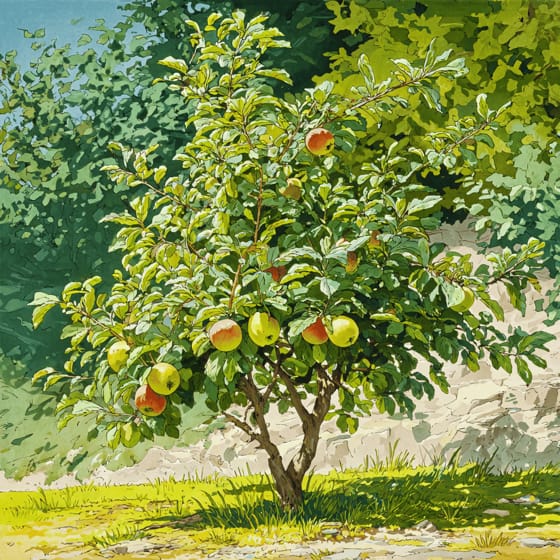
Malus domestica
Helps apple trees produce fruit in spring.
Salix caprea
Crucial early spring pollinator for willows.
Nomada goodeniana
Lays eggs in mining bee nests, stealing food.

Vespa crabro
Hornets may prey on adult mining bees.
Furry describes animals possessing a dense covering of soft hair or fur.
Solitary animals live alone for most of their lives, only interacting with others for mating or parental care.
This trait characterizes organisms whose diet consists entirely or primarily of plant material.
Describes plants that are particularly attractive and beneficial to a wide range of pollinating organisms.

Diurnal animals are primarily active during daylight hours, typically resting or sleeping at night.

Describes a species whose presence and role have a disproportionately large effect on its environment.

This habitat trait indicates species that can coexist with humans in urban and suburban environments, utilizing man-made structures and green spaces.

Describes organisms that transfer pollen, enabling the fertilization and reproduction of plants.
No aliases listed yet.
Danger
1/5 · Very low
Mining bees are usually safe, but it's best to watch them from a distance.
The easiest way to identify Mining Bees is to use the Snappit nature identifier app.
15-30 mm
8-17 mm
20-40 days
12 km/h
Mining bees sip nectar for energy and gather pollen to feed their growing babies.
Urban areas
Foraging
Zoom in to split clusters and explore where this object has been snapped.

Ohio, US
You might spot American Cancer-Root and Christmas Fern.
View guide →

British Columbia, CA
You might spot Douglas Fir, Oregon Oak, and Purple Foxglove.
View guide →

British Columbia, CA
You might spot Common Bracken, Vanilla Leaf, and Western Sword Fern.
View guide →
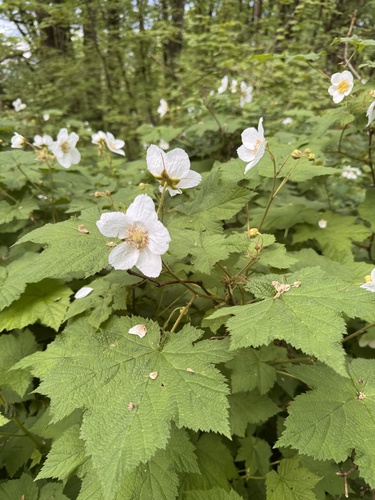
British Columbia, CA
You might spot Thimbleberry, Western Redcedar, and Red Osier Dogwood.
View guide →

British Columbia, CA
You might spot Western Toad, Nettles, and Lady Fern.
View guide →
Take the discovery with you
Snap it with Snappit to identify it, learn what makes it special, and add the discovery to your collection.






.jpg&width=800)



