





Monocots
liliopsida
Monocots are a group of flowering plants that have one seed leaf. They include many familiar plants like grasses and lilies!
Habitat: Monocots can be found in fields, forests, wetlands, and gardens all around the world.
The Monocots has leaves with distinctive parallel veins and often brightly colored flowers with petals arranged in multiples of three. Their stems typically lack true woody growth rings, setting them apart visually from other major plant groups.
Category
PlantsRarity
Common
Danger
0/5 · No known danger
Snaps
Be the first to snap!
Bananas are monocots, and what you eat is actually a giant berry!
Did you know onions, garlic, and ginger are all helpful monocot plants?
Many monocot seeds have only one 'baby leaf' when they first sprout.
The world's fastest-growing plant, bamboo, is an amazing monocot grass.
Monocots have leaf veins running parallel, which efficiently transports water and nutrients, helping them grow rapidly.
Monocots often produce flowers with parts in multiples of three, a unique structure that helps attract specific pollinators.
Monocots possess a fibrous root system that spreads widely, anchoring them firmly and absorbing water quickly.
Apis mellifera
diverse monocot flowers

Bos taurus
widespread monocot grasses
Homo sapiens
staple monocot crops like rice
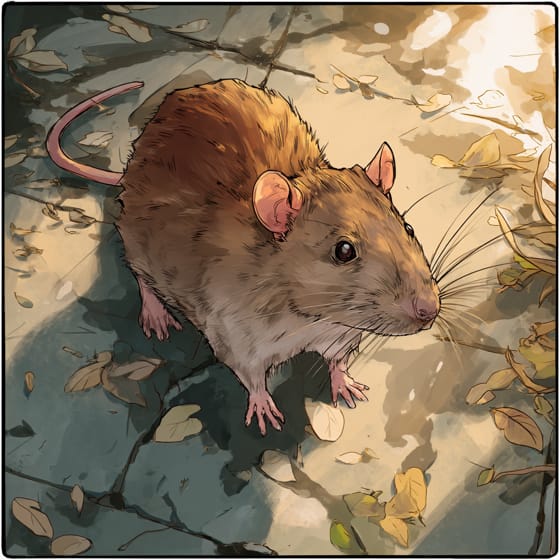
Rattus norvegicus
monocot seeds and bulbs
Colorful describes organisms or objects displaying a wide range of bright and distinct colors.
Grassland habitats are terrestrial biomes dominated by grasses and herbaceous plants, supporting a variety of grazing animals.
This trait characterizes organisms whose diet consists entirely or primarily of plant material.
Forest habitats are terrestrial environments dominated by dense tree cover, supporting a high diversity of plant and animal life.

Describes organisms that transfer pollen, enabling the fertilization and reproduction of plants.
Danger
0/5 · No known danger
No special safety notes yet.
The easiest way to identify Monocots is to use the Snappit nature identifier app.
1-6000 cm
1-1000 cm
0.1-50 cm
Year-round
Yes
Moderate
Perennial
Zoom in to split clusters and explore where this object has been snapped.
Recent snaps will appear here as new observations are added.
Take the discovery with you
Snap it with Snappit to identify it, learn what makes it special, and add the discovery to your collection.









.jpg&width=800)



_001.jpg&width=800)




