





giant red paintbrush
Castilleja miniata
The giant red paintbrush is a bright and colorful flower that looks like it was dipped in paint! It grows in beautiful clusters and is often found in meadows and along mountain trails.
Habitat: Mountain regions
The giant red paintbrush has vibrant, fuzzy-looking flower spikes that are actually bright scarlet-red leaf-like structures called bracts. These brilliant, brush-like tops emerge from a base of slender green leaves, making it instantly recognizable and visually distinct in any meadow.
Category
PlantsRarity
Common
Danger
1/5 · Very low
Snaps
3
Hummingbirds are crazy about this plant's nectar, helping it spread its tiny seeds!
Its scientific name honors a Spanish botanist, Domingo Castillejo!
This plant is a 'half-parasite,' meaning it drinks from its neighbors' roots!
What looks like a flower is actually a bunch of bright red leaves called bracts!
The giant red paintbrush can connect to other plant roots to steal water and nutrients, helping it thrive in tough spots.
Its fiery red, fuzzy "flowers" (bracts) are super bright, acting like a flashing sign to attract hummingbirds for pollination.
.jpg&width=800)
Selasphorus rufus
Sips nectar, transferring pollen.
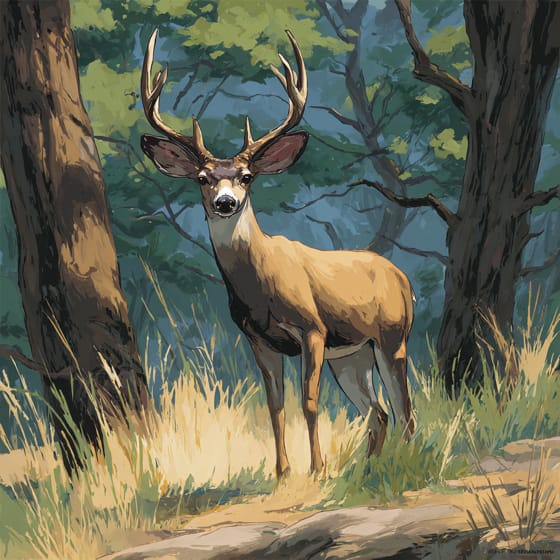
Odocoileus hemionus
Browses on leaves and stems.
Festuca idahoensis
Steals water and nutrients from roots.

Bombus appositus
Collects pollen from the bracts.
Flowering plants are any plants that produce flowers as part of their reproductive cycle.
Cluster flowers are inflorescences where individual flowers are arranged closely together on a common stem.
Spring blooming plants produce their flowers during the spring season, often signifying the end of winter and the start of new growth.
Colorful describes organisms or objects displaying a wide range of bright and distinct colors.

Describes plants that are particularly attractive and beneficial to a wide range of pollinating organisms.

This habitat trait identifies species found in mountainous regions, characterized by high elevation, steep slopes, and varying climate zones.
Danger
1/5 · Very low
Don't touch or pick flowers without permission, as they are important for nature!
The easiest way to identify giant red paintbrush is to use the Snappit nature identifier app.
20-60 cm
15-30 cm
2-4 cm
Late spring to mid-summer
No
Mild
Perennial
Zoom in to split clusters and explore where this object has been snapped.

Montana, US
You might spot Great Blanketflower and Seven-Spotted Lady Beetle.
View guide →

Wyoming, US
You might spot Moose, Arrowleaf Balsamroot, and Black Bear.
View guide →

British Columbia, CA
You might spot White Pasqueflower and Columbian Ground Squirrel.
View guide →
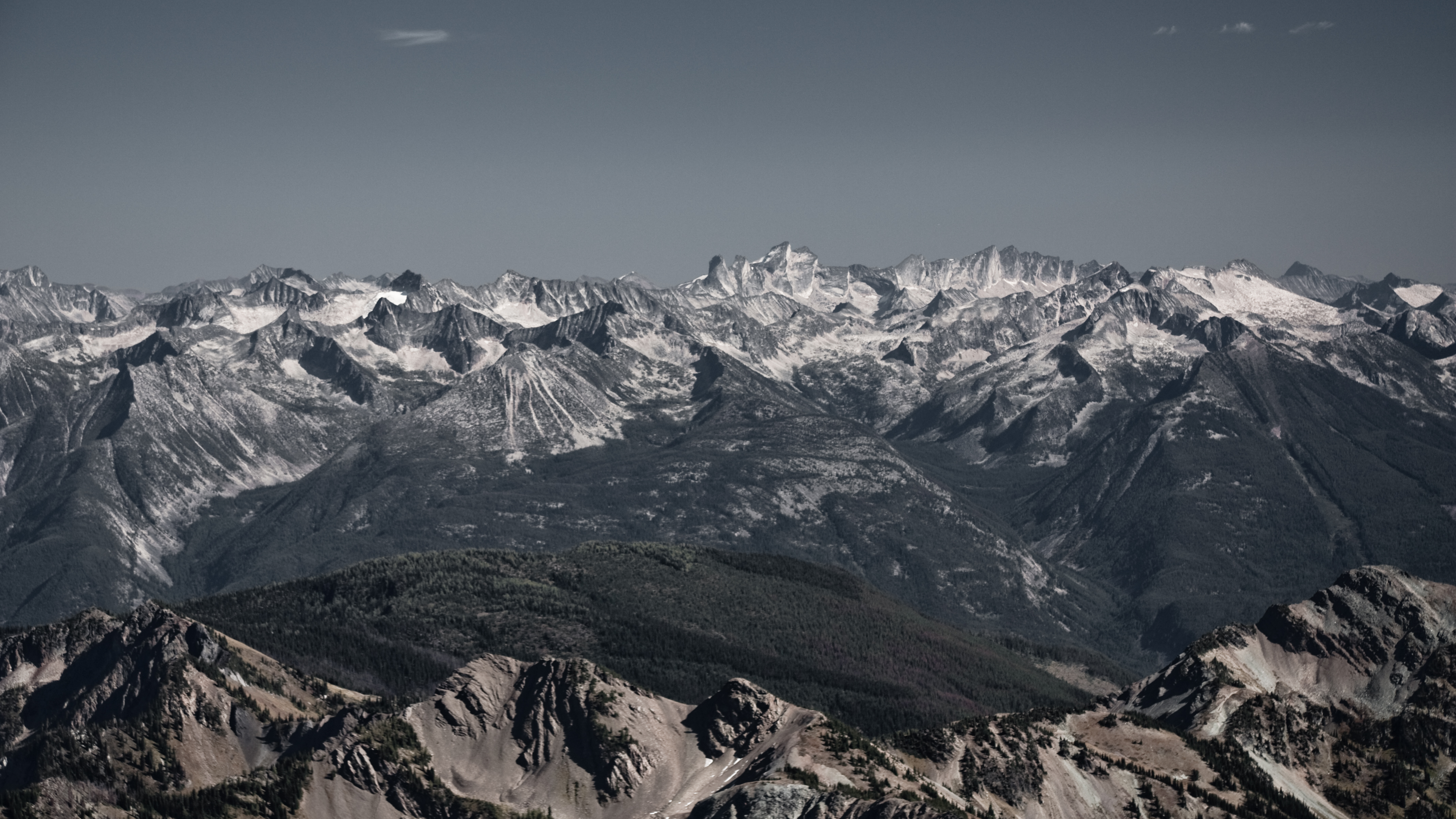
British Columbia, CA
You might spot Green Comma, Mourning Cloak, and Hoary Comma.
View guide →
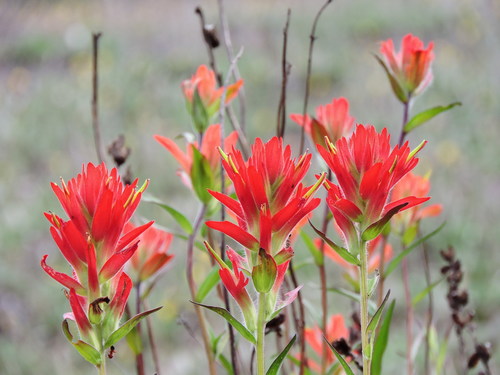
British Columbia, CA
You might spot Giant Red Paintbrush, Lupines, and Broadleaf Arnica.
View guide →

British Columbia, CA
You might spot White Twisted-Stalk and Western Skunk Cabbage.
View guide →
Take the discovery with you
Snap it with Snappit to identify it, learn what makes it special, and add the discovery to your collection.







.jpg&width=800)



_001.jpg&width=800)




