




Monterey Cypress
Hesperocyparis macrocarpa
The Monterey Cypress is a tall tree with a twisted shape. It's often found along the coast and has a special smell.
Habitat: Coastal areas
The Monterey Cypress is a striking evergreen tree with a unique, often windswept appearance. It has dark green, scale-like leaves and reddish-brown, fibrous bark. Its broad, flattened crown and gnarled branches make it visually distinct, especially along coastal bluffs.
Category
TreesRarity
Common
Danger
1/5 · Very low
Snaps
2
Ancient carpenters valued its fragrant wood for building durable structures and boats.
Its entire natural range is tiny, covering only two small areas in California!
Its whimsical, twisted shapes might have inspired Dr. Seuss's Truffula trees!
The iconic Lone Cypress on 17-Mile Drive is a world-famous Monterey Cypress tree.
Monterey Cypress can grow close to the ocean because its thick leaves and bark protect it from salty winds.
Monterey Cypress has strong, flexible branches, allowing it to twist into unique shapes under persistent coastal winds.
Monterey Cypress endures harsh coastal conditions for centuries due to its resilient wood and deep root system.
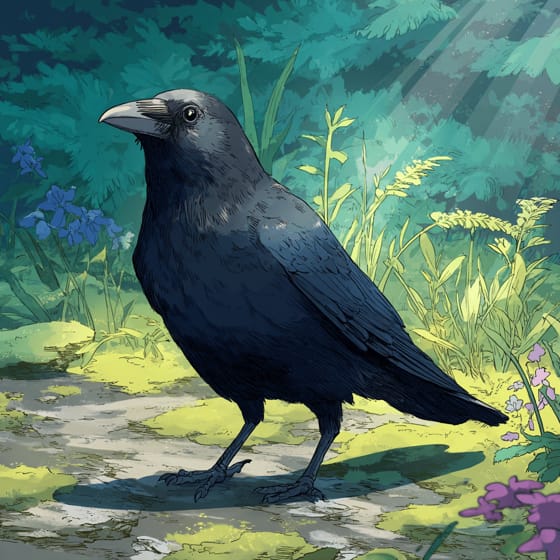
Corvus brachyrhynchos
Crows often build nests high in its dense branches.
Phloeosinus cupressi
Beetles tunnel under its bark, causing damage to the tree.

Sciurus griseus
Squirrels eat the seeds found within its small, woody cones.
Coniferous plants are typically evergreen, bearing needles or scales and reproductive cones.
Evergreen plants retain their foliage throughout the year, never shedding all their leaves at once.
Fragrant flowers emit a pleasant aroma, often to attract pollinators or for defense.
This trait characterizes organisms with an exceptionally long lifespan compared to others of their kind.

Coastal habitats are dynamic environments located along the interface between land and sea, influenced by tides, waves, and saltwater.
Danger
1/5 · Very low
Do not pick or eat anything you find. Some plants and mushrooms can be harmful.
The easiest way to identify Monterey Cypress is to use the Snappit nature identifier app.
10-25 m
10-20 m
No
50-200 cm
150-300 years
Coastal areas
Cone
Zoom in to split clusters and explore where this object has been snapped.
Take the discovery with you
Snap it with Snappit to identify it, learn what makes it special, and add the discovery to your collection.













