





Western Gray Squirrel
Sciurus griseus
The Western Gray Squirrel is a fluffy little animal with a bushy tail. They love to climb trees and gather nuts to eat. You can often see them playing in parks and forests!
Habitat: Forests
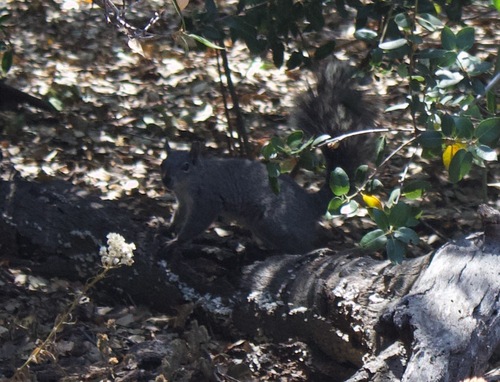
The Western Gray Squirrel has a strikingly bushy, long tail and a sleek coat of silver-gray fur on its back, contrasting sharply with its pure white belly. Its large, dark eyes complete its distinctive woodland appearance, making it easily recognizable.
Category
MammalsRarity
Common
Danger
1/5 · Very low
Snaps
11
Eyes on sides of head give them a wide view to spot predators.
Squirrels sometimes 'plant' new trees by forgetting where they buried nuts.
Their teeth never stop growing, so they gnaw constantly to keep them short!
They can rotate their ankles almost 180 degrees to run headfirst down trees!
Western Gray Squirrels can use their enormous bushy tail as both an umbrella and a sunshade, protecting them from the elements.
Western Gray Squirrels can remember hundreds of hidden food stashes using spatial memory, ensuring they have food even in winter.
Western Gray Squirrels can fake burying nuts to fool watching predators or other squirrels, protecting their real food stores.
Western Gray Squirrels possess incredible acrobatic skills to run along branches and jump between trees, allowing swift escapes.
These adaptable eaters enjoy a menu of nuts, seeds, fruits, and mushrooms found in their forest homes.
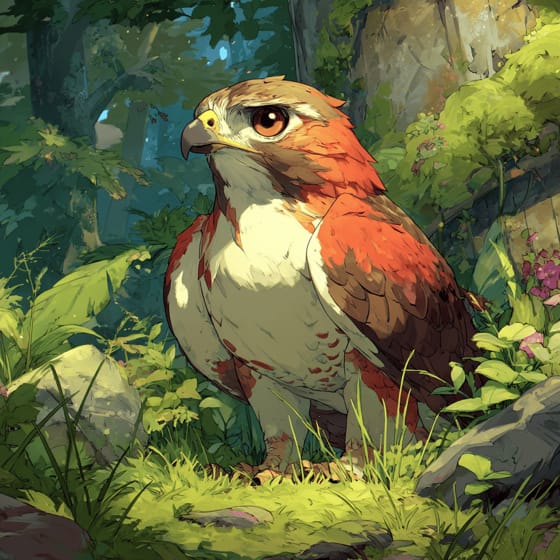
Buteo jamaicensis
A common aerial predator of squirrels.
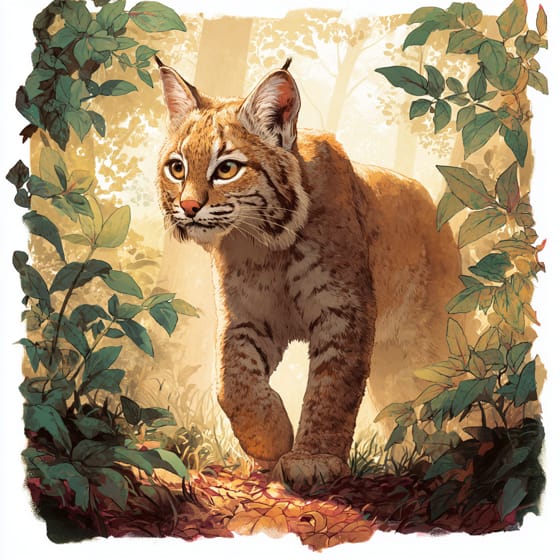
Lynx rufus
These wild cats hunt squirrels on the forest floor.

Quercus agrifolia
Squirrels rely heavily on its acorns for food.
Pinus ponderosa
Its seeds are a crucial part of the squirrel's diet.
Furry describes animals possessing a dense covering of soft hair or fur.
Social animals live in organized groups, cooperating for survival benefits such as foraging, defense, and raising offspring.
Arboreal animals live primarily in trees, utilizing them for shelter, food, and protection from predators.
This trait characterizes organisms whose diet consists entirely or primarily of plant material.

Forest habitats are terrestrial environments dominated by dense tree cover, supporting a high diversity of plant and animal life.

Diurnal animals are primarily active during daylight hours, typically resting or sleeping at night.

This trait identifies organisms that exhibit exceptional swiftness in movement for hunting, escape, or travel.
No aliases listed yet.
Danger
1/5 · Very low
It's best to watch squirrels from a distance so they feel safe and happy.
The easiest way to identify Western Gray Squirrel is to use the Snappit nature identifier app.
40-60 cm
0.5-1 kg
8-10 years
20 km/h
These adaptable eaters enjoy a menu of nuts, seeds, fruits, and mushrooms found in their forest homes.
Forests
Foraging
Zoom in to split clusters and explore where this object has been snapped.
May 23, 2026
California Botanic GardenPhoto attribution
(c) Ashley O, some rights reserved (CC BY)
License: CC BY 4.0 ↗
Image may be shown cropped inside the card frame.

California, US
You might spot Western Fence Lizard and Pacific Poison Oak.
View guide →

California, US
You might spot Mule Deer, Turkey, and Duck.
View guide →
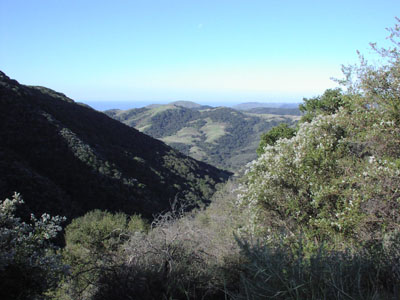
California, US
You might spot Western Fence Lizard and Canyon Sunflower.
View guide →

California, US
You might spot Western Fence Lizard and Western Gray Squirrel.
View guide →

Oregon, US
You might spot Bald Eagle, Golden Eagle, and Snowy Owl.
View guide →

California, US
You might spot Canyon Sunflower, Cardinal Catchfly, and White Globe Lily.
View guide →
Take the discovery with you
Snap it with Snappit to identify it, learn what makes it special, and add the discovery to your collection.




.jpg&width=800)

.JPG&width=800)


.jpg&width=800)
