.jpg&width=800)





Moonflower
Ipomoea violacea L.
The Moonflower is a magical flower that blooms only at night, releasing a sweet fragrance. Its petals glow softly in the moonlight, attracting moths and other nighttime creatures.
Habitat: Gardens
The Moonflower has vibrant, trumpet-shaped flowers that unfurl in the morning, displaying shades of blue, purple, or pink, often with a white or yellow throat. Its leaves are heart-shaped and grow on slender, twining vines.
Category
PlantsRarity
Rare
Danger
2/5 · Low
Snaps
2
Butterflies and bees love visiting its cheerful, trumpet-shaped blooms for nectar!
Each vibrant flower blooms for just one morning, then gently wilts by afternoon!
Its seeds were once used by ancient cultures for their powerful, mind-altering effects!
Some varieties change flower color based on soil!
Moonflower rapidly twines its slender stems around supports, helping it climb high to reach ample sunlight.
Its brightly colored petals act as a visual signal, drawing in buzzing insects and tiny birds for pollination.
Apis mellifera
Gathers nectar and pollen from morning blooms.
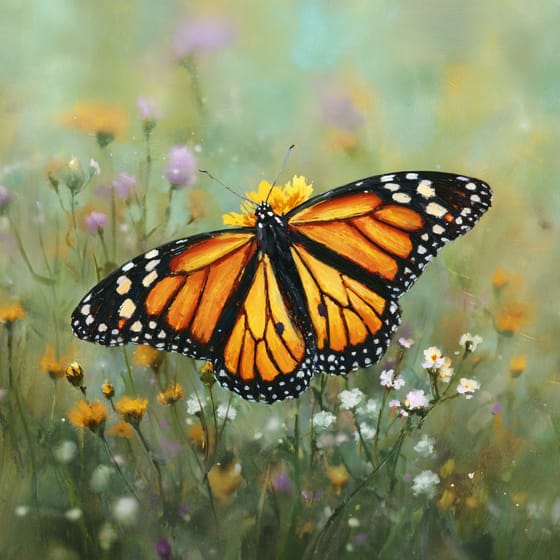
Danaus plexippus
Sips nectar, transferring pollen between flowers.

Archilochus colubris
Feeds on nectar from its trumpet-shaped flowers.
Manduca sexta
Its leaves are a food source for larvae.
Deciduous plants periodically shed all their leaves, typically during autumn or dry seasons.
Flowering plants are any plants that produce flowers as part of their reproductive cycle.
Ornamental plants are cultivated primarily for their aesthetic appeal, enhancing landscapes and gardens with their attractive foliage, flowers, or form.
Fragrant flowers emit a pleasant aroma, often to attract pollinators or for defense.

Night blooming plants open their flowers after sunset, often to attract nocturnal pollinators with their scent and appearance.
No aliases listed yet.
Danger
2/5 · Low
Moonflowers are beautiful but should not be eaten. Always admire them from a safe distance.
The easiest way to identify Moonflower is to use the Snappit nature identifier app.
200-400 cm
100-200 cm
4-7 cm
Summer to fall
No
High
Annual
Zoom in to split clusters and explore where this object has been snapped.
Take the discovery with you
Snap it with Snappit to identify it, learn what makes it special, and add the discovery to your collection.










.jpg&width=800)


_001.jpg&width=800)




