





Marsh Sow-thistle
Sonchus palustris
The Marsh Sow-thistle is a tall plant with bright yellow flowers that bloom in the summer. It grows in wet areas and is loved by many insects, especially bees!
Habitat: Wetlands
The Marsh Sow-thistle is a very tall plant with hollow, ribbed stems and deeply lobed, spiny-edged dark green leaves featuring distinctive ear-like bases. It produces clusters of bright yellow, dandelion-like flowers at its top, making it look like a giant, spikier dandelion.
Category
PlantsRarity
Common
Danger
1/5 · Very low
Snaps
Be the first to snap!
Its fluffy seeds can float on the wind to find new marshy homes.
Its leaves have spiny edges, but young ones are surprisingly edible for humans!
This plant can grow taller than many adults, reaching up to 10 feet!
When you break a stem, milky white 'plant milk' oozes out!
Marsh Sow-thistle has deep, fibrous roots that anchor it firmly, helping it survive in boggy, unstable marshy soils.
This plant can grow incredibly tall, allowing it to reach for sunlight even when surrounded by other wetland plants.
Marsh Sow-thistle has a milky white sap that can deter hungry herbivores from taking a bite.
Apis mellifera
Gathers nectar and pollen
Bombus terrestris
Visits flowers for food
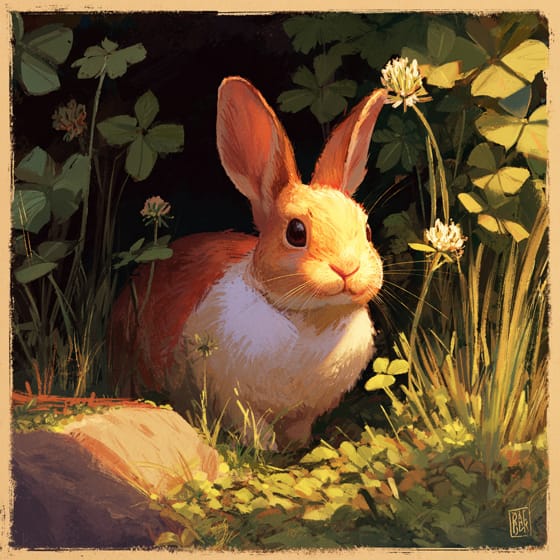
Oryctolagus cuniculus
Browses on leaves and stems
Myzus persicae
Feeds on plant sap
Flowering plants are any plants that produce flowers as part of their reproductive cycle.
Summer blooming plants produce their flowers during the summer season, often providing vibrant color when many other plants have finished.
Edible plants are those parts of a plant that are considered safe for human consumption.
Describes plants that are particularly attractive and beneficial to a wide range of pollinating organisms.

Rapid growing plants exhibit accelerated growth rates, quickly increasing in size and biomass within a short period.

This habitat trait identifies species found in wetlands, which are areas of land saturated with water, either permanently or seasonally, including marshes, swamps, and bogs.
No aliases listed yet.
Danger
1/5 · Very low
Do not eat any plants without asking an adult first.
The easiest way to identify Marsh Sow-thistle is to use the Snappit nature identifier app.
50-300 cm
30-70 cm
2-3 cm
Summer to early autumn
Yes
None
Perennial
Zoom in to split clusters and explore where this object has been snapped.
Recent snaps will appear here as new observations are added.
Take the discovery with you
Snap it with Snappit to identify it, learn what makes it special, and add the discovery to your collection.








.jpg&width=800)



_001.jpg&width=800)



