





Mottled dingy-brown click beetle
Agrypnus murinus
The mottled dingy-brown click beetle is a small insect that likes to hide in the soil and under leaves. It has a special way of clicking to flip itself back over if it gets turned upside down!
Habitat: Forests
The Mottled dingy-brown click beetle is an elongated, somewhat flattened beetle, typically gray to dark brown. Its body is covered in a dense, short, mottled pattern of hairs, making it perfectly camouflaged against bark or soil.
Category
InsectsRarity
Common
Danger
1/5 · Very low
Snaps
Be the first to snap!
Its larvae, called wireworms, can live underground for up to five years before changing!
The beetle's amazing 'click' mechanism is so fast, it's almost impossible to see it happen!
These mottled beetles are found across many parts of Europe, Asia, and even North America!
While adults prefer nectar, their wireworm larvae munch on plant roots and decaying wood!
Mottled dingy-brown click beetle can flip itself upright with a loud click because it helps them escape predators!
Mottled dingy-brown click beetle has a mottled, hairy body that helps them blend perfectly into their surroundings.
Mottled dingy-brown click beetle larvae have hard, shiny bodies that help them burrow and survive underground.
Adults sip nectar, while larvae are subterranean munchers of roots and decaying matter.
Age differences: Larvae (wireworms) feed on roots and decaying plant matter underground; adults primarily consume nectar and pollen.
Turdus merula
Adults and larvae can become a meal for birds.
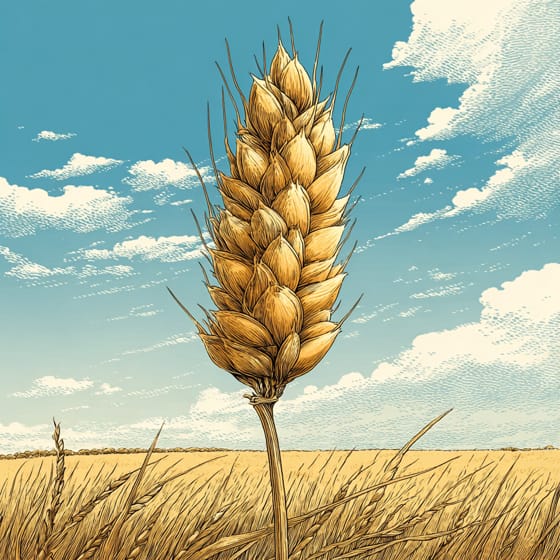
Triticum aestivum
Wireworm larvae sometimes feed on the roots of crop plants.
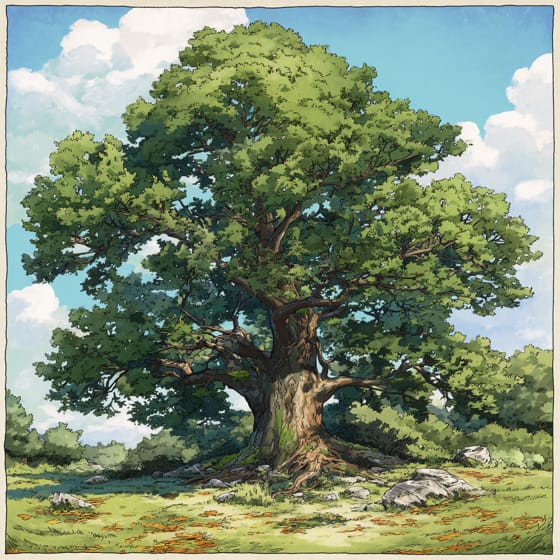
Quercus robur
Larvae develop in soil near roots or decaying wood of trees.
Solitary animals live alone for most of their lives, only interacting with others for mating or parental care.
Burrowing animals dig tunnels and chambers in the ground, using these subterranean structures for shelter, hunting, or breeding.
Camouflaged describes organisms that possess coloring or patterns that allow them to blend into their environment.
Describes organisms that break down dead organic material, recycling nutrients back into the ecosystem.

Forest habitats are terrestrial environments dominated by dense tree cover, supporting a high diversity of plant and animal life.

Describes organisms that transfer pollen, enabling the fertilization and reproduction of plants.
No aliases listed yet.
Danger
1/5 · Very low
Be gentle and watch where you step; insects like this beetle are small and can be easily hurt.
The easiest way to identify Mottled dingy-brown click beetle is to use the Snappit nature identifier app.
15-34 mm
10-17 mm
30-90 days
5-10 km/h
Adults sip nectar, while larvae are subterranean munchers of roots and decaying matter.
Forests
Foraging
Zoom in to split clusters and explore where this object has been snapped.
Recent snaps will appear here as new observations are added.
Take the discovery with you
Snap it with Snappit to identify it, learn what makes it special, and add the discovery to your collection.









.jpg&width=800)



