





Walnut Lace Bug
corythucha juglandis
The Walnut Lace Bug is a tiny insect that loves to hang out on walnut trees! It has a beautiful lace-like pattern on its wings that makes it look like nature's little artwork.
Habitat: Walnut trees and surrounding areas.
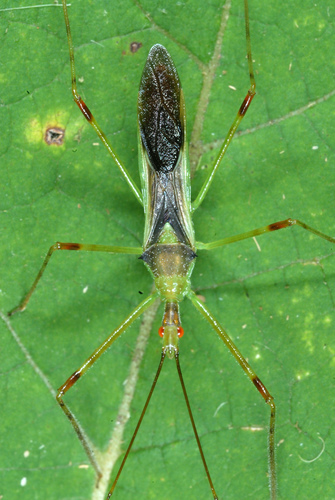
The Walnut Lace Bug has a flattened, oval body with intricate, delicate, lace-like wings that are pale, almost transparent, and patterned with dark markings. Its head and thorax are dark, contrasting with the finely veined, reticulated forewings which give it its distinctive appearance.
Category
InsectsRarity
Common
Danger
0/5 · No known danger
Snaps
1
Baby lace bugs, called nymphs, look spiky and don't have wings yet!
Their wings look like tiny stained-glass windows under a microscope!
These tiny bugs often leave behind shiny, sticky 'honeydew' on leaves!
They communicate by tapping their bodies on leaves, sending secret messages!
Walnut Lace Bug has exquisite, see-through lace wings that help them glide gracefully and blend into leaf textures.
Walnut Lace Bug can pierce plant tissue with its straw-like mouthparts, allowing them to drink vital sap from walnut leaves.
Walnut Lace Bug has a flat body and muted colors that help them expertly hide on the undersides of walnut leaves from predators.
Feeds exclusively on the sap of walnut tree leaves, sometimes causing minor damage.

Juglans nigra
Feeds on the sap of its leaves, sometimes causing discoloration.

Harmonia axyridis
Adults and larvae prey on soft-bodied insects like lace bugs.
Chrysoperla carnea
Larvae are voracious predators of small insects including lace bugs.
Misumena vatia
Ambushes small insects that visit the leaves for feeding or shelter.
Social animals live in organized groups, cooperating for survival benefits such as foraging, defense, and raising offspring.
Arboreal animals live primarily in trees, utilizing them for shelter, food, and protection from predators.
Colorful describes organisms or objects displaying a wide range of bright and distinct colors.
This trait characterizes organisms whose diet consists entirely or primarily of plant material.

Diurnal animals are primarily active during daylight hours, typically resting or sleeping at night.
Danger
0/5 · No known danger
No special safety notes yet.
The easiest way to identify Walnut Lace Bug is to use the Snappit nature identifier app.
6-10 mm
3-5 mm
30-60 days
Feeds exclusively on the sap of walnut tree leaves, sometimes causing minor damage.
Walnut trees and surrounding areas.
Foraging
6
Zoom in to split clusters and explore where this object has been snapped.
Take the discovery with you
Snap it with Snappit to identify it, learn what makes it special, and add the discovery to your collection.








.jpg&width=800)



