





Macrolina
Macrolina
Macrolina is a colorful insect that loves to flutter around flowers. It has beautiful wings that sparkle in the sunlight and is often seen in gardens and parks.
Habitat: Urban areas
The Macrolina is a striking insect, often displaying iridescent green and copper hues on its elongated, segmented body. It possesses large, prominent antennae that curve gently backward, and its forewings are hardened and protect delicate hindwings, giving it a sleek, armored appearance.
Category
InsectsRarity
Common
Danger
1/5 · Very low
Snaps
Be the first to snap!
If a Macrolina loses a leg, it can often regrow a brand new one over time!
Macrolina's powerful jaws can slice through tough plant stems faster than scissors!
Scientists study Macrolina's wings to design new types of super-efficient drones!
Some Macrolina species lay eggs on water plants, and their larvae grow underwater!
Macrolina has an iridescent exoskeleton that helps them blend perfectly with foliage, making it hard for predators to spot them.
Macrolina can detect subtle ground vibrations using specialized leg sensors, alerting them to approaching dangers or prey.
Macrolina can perform agile aerial maneuvers because of its two sets of powerful, independently controlled wings, allowing quick escapes.
Macrolina are gentle eaters, munching on leaves and sipping sweet nectar from various plants.
Age differences: Larvae feed on tough plant roots, while adults primarily consume leaves and nectar.
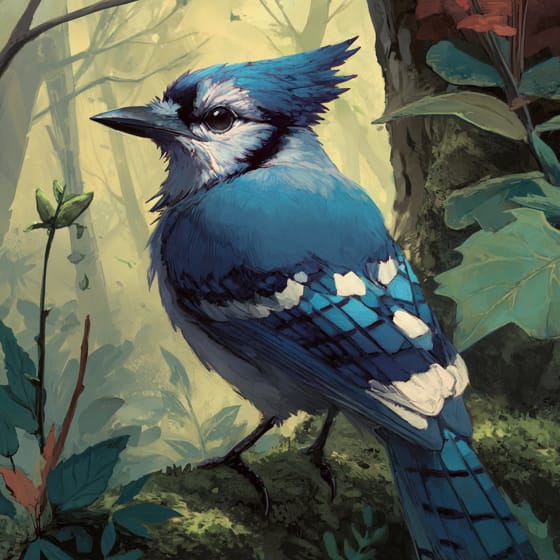
Cyanocitta cristata
Blue Jays often snatch Macrolina.
Quercus rubra
Macrolina larvae feed on Red Oak leaves.

Helianthus annuus
Adults help pollinate sunflowers while feeding.
Aerial creatures spend a significant portion of their lives airborne, utilizing flight for various activities such as hunting, migration, or nesting.
Colorful describes organisms or objects displaying a wide range of bright and distinct colors.
This trait characterizes organisms whose diet consists entirely or primarily of plant material.
Describes plants that are particularly attractive and beneficial to a wide range of pollinating organisms.

Diurnal animals are primarily active during daylight hours, typically resting or sleeping at night.

This habitat trait indicates species that can coexist with humans in urban and suburban environments, utilizing man-made structures and green spaces.

Describes organisms that transfer pollen, enabling the fertilization and reproduction of plants.
No aliases listed yet.
Danger
1/5 · Very low
Be gentle and watch from a distance so you don't scare them away.
The easiest way to identify Macrolina is to use the Snappit nature identifier app.
40-70 mm
15-30 mm
30-90 days
10 km/h
Macrolina are gentle eaters, munching on leaves and sipping sweet nectar from various plants.
Urban areas
Foraging
Zoom in to split clusters and explore where this object has been snapped.
Recent snaps will appear here as new observations are added.
Take the discovery with you
Snap it with Snappit to identify it, learn what makes it special, and add the discovery to your collection.








.jpg&width=800)



