





Mottled Stink Bug
Rhaphigaster nebulosa
The Mottled Stink Bug is a small insect with a unique, colorful pattern on its body. It can be found in gardens and fields, where it loves to munch on plants.
Habitat: Gardens and fields
The Mottled Stink Bug is a shield-shaped insect, typically brown or grayish-brown with distinctive dark speckles across its body. Its flat, broad form and uneven coloration help it blend seamlessly with tree bark and leaves, making it appear like a small piece of debris.
Category
InsectsRarity
Common
Danger
1/5 · Very low
Snaps
Be the first to snap!
Female Mottled Stink Bugs lay their tiny, barrel-shaped eggs in neat clusters, often on the underside of leaves.
Their scientific name, Rhaphigaster nebulosa, means 'cloudy belly,' describing their speckled appearance!
These bugs undergo incomplete metamorphosis, meaning young nymphs look like smaller versions of adults!
Though they fly, Mottled Stink Bugs often walk or crawl more, especially when foraging on plants.
Mottled Stink Bug can spray a foul-smelling liquid when threatened, because of special glands that help them deter predators.
Mottled Stink Bug has a speckled brown and grey pattern that helps them blend perfectly with bark and leaves to avoid being seen.
Mottled Stink Bug can survive cold winters by finding sheltered spots, helping them live through freezing months.
Mottled Stink Bug has a long, needle-like proboscis that helps them pierce plant tissues and suck up nutritious juices.
They primarily feed on plant juices, using their straw-like mouthparts to drink from fruits and leaves.
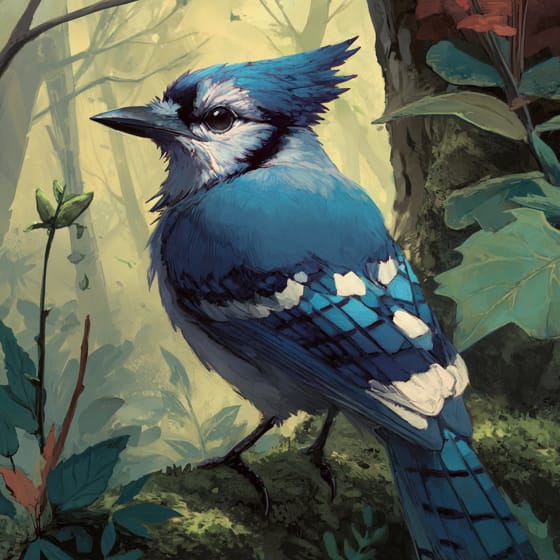
Cyanocitta cristata
A common bird that preys on insects.
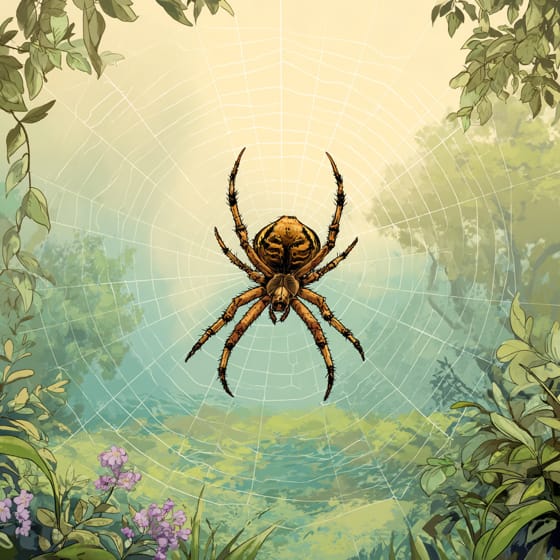
Araneus diadematus
Often catches them in their sticky webs.
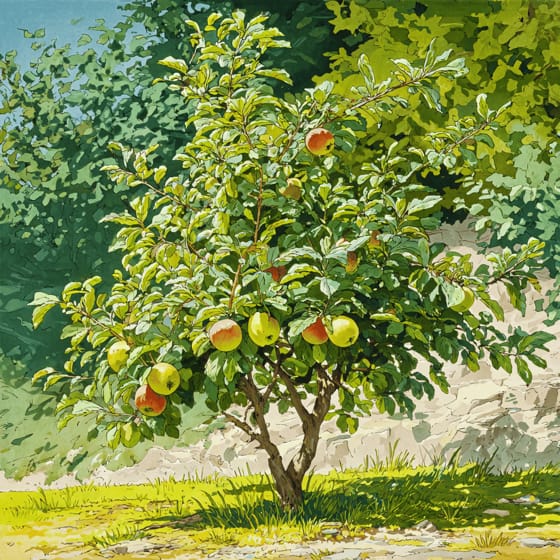
Malus domestica
Feeds on fruit and young shoots.
Solanum lycopersicum
Pierces tomatoes to feed on juices.
Trissolcus basalis
Lays eggs inside stink bug eggs.
Solitary animals live alone for most of their lives, only interacting with others for mating or parental care.
Camouflaged describes organisms that possess coloring or patterns that allow them to blend into their environment.
Colorful describes organisms or objects displaying a wide range of bright and distinct colors.
This trait characterizes organisms whose diet consists entirely or primarily of plant material.

Describes plants that are particularly attractive and beneficial to a wide range of pollinating organisms.

Describes organisms that break down dead organic material, recycling nutrients back into the ecosystem.

Diurnal animals are primarily active during daylight hours, typically resting or sleeping at night.

Describes organisms that transfer pollen, enabling the fertilization and reproduction of plants.
No aliases listed yet.
Danger
1/5 · Very low
Don't touch them if you see them! They might smell bad if scared.
The easiest way to identify Mottled Stink Bug is to use the Snappit nature identifier app.
12-14 mm
180-300 days
They primarily feed on plant juices, using their straw-like mouthparts to drink from fruits and leaves.
Gardens and fields
Foraging
6
Zoom in to split clusters and explore where this object has been snapped.
Recent snaps will appear here as new observations are added.
Take the discovery with you
Snap it with Snappit to identify it, learn what makes it special, and add the discovery to your collection.







.jpg&width=800)



