





Muddy Stink Bug
Banasa sordida
The Muddy Stink Bug is a little insect that loves to hang out in gardens and fields. It has a special smell that helps keep it safe from predators. They can be brown and green, blending in with their surroundings!
Habitat: Urban areas, Gardens
The Muddy Stink Bug is a small, shield-shaped insect typically dull brown or grey, often speckled to resemble dried mud or bark. Its flattened, broad body helps it blend seamlessly into its environment, making it hard to spot among foliage.
Category
InsectsRarity
Common
Danger
1/5 · Very low
Snaps
Be the first to snap!
Female stink bugs carefully guard their precious egg clusters, protecting them until they hatch!
Muddy Stink Bugs use their antennae to 'smell' and find delicious plants to eat!
Their unique "stink" comes from special glands near their legs that spray defense chemicals!
They can survive winter by hiding in sheltered spots, waiting for spring's warmth!
Muddy Stink Bug can release a foul-smelling liquid because of glands near its legs, helping them deter predators.
Muddy Stink Bug has mottled brown and grey colors that help them perfectly blend into tree bark or dead leaves.
Muddy Stink Bug can sip plant juices using its straw-like mouthpart, which helps them feed on fruits and seeds.
Muddy Stink Bug has strong wings that help them quickly fly away to escape danger or find new food sources.
These bugs sip plant juices from fruits, seeds, and stems using their straw-like mouthparts.
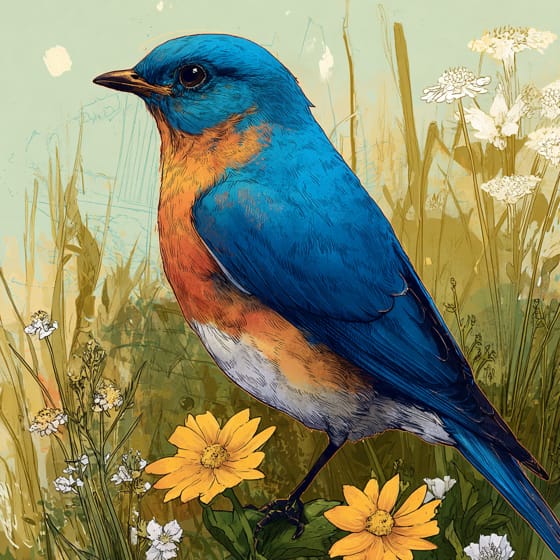
Sialia sialis
A common bird that preys on many insects.
Podisus maculiventris
A predatory insect known to hunt other bugs.
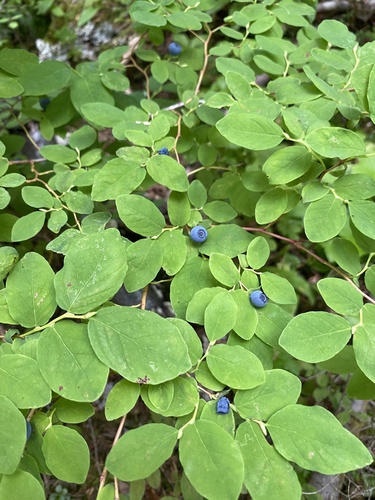
Vaccinium corymbosum
Feeds on the ripening fruits, sometimes causing damage.
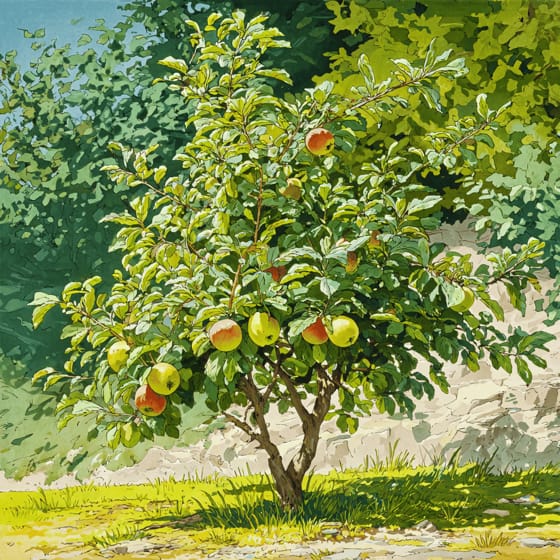
Malus domestica
Sips juices from apples, leaving small sunken spots.
Solitary animals live alone for most of their lives, only interacting with others for mating or parental care.
Camouflaged describes organisms that possess coloring or patterns that allow them to blend into their environment.
Grassland habitats are terrestrial biomes dominated by grasses and herbaceous plants, supporting a variety of grazing animals.
This trait characterizes organisms whose diet consists entirely or primarily of plant material.

Describes plants that are particularly attractive and beneficial to a wide range of pollinating organisms.

Describes organisms that break down dead organic material, recycling nutrients back into the ecosystem.

Diurnal animals are primarily active during daylight hours, typically resting or sleeping at night.

This habitat trait indicates species that can coexist with humans in urban and suburban environments, utilizing man-made structures and green spaces.

Describes organisms that transfer pollen, enabling the fertilization and reproduction of plants.
No aliases listed yet.
Danger
1/5 · Very low
Don't touch insects without asking an adult, as some can be smelly or might bite.
The easiest way to identify Muddy Stink Bug is to use the Snappit nature identifier app.
25-40 mm
10-18 mm
90-180 days
5 km/h
These bugs sip plant juices from fruits, seeds, and stems using their straw-like mouthparts.
Urban areas, Gardens
Foraging
Zoom in to split clusters and explore where this object has been snapped.
Recent snaps will appear here as new observations are added.
Take the discovery with you
Snap it with Snappit to identify it, learn what makes it special, and add the discovery to your collection.






.jpg&width=800)




