





Douglas Fir
## Mount Richardson Provincial Park: A Pristine Wilderness Escape
## Mount Richardson Provincial Park: A Pristine Wilderness Escape
Nestled on the eastern flank of Sechelt Inlet in British Columbia, Mount Richardson Provincial Park offers an authentic wilderness experience, inviting visitors to immerse themselves in a rugged and scenic landscape. This 1,001-hectare park is a haven of lush coastal rainforests, diverse ecosystems, and mountainous terrain, culminating in the impressive 986-meter (3,205 feet) summit of Mount Richardson itself. What makes this park truly special are the breathtaking, panoramic views of Sechelt Inlet, the Sechelt Peninsula, and the town of Sechelt stretching towards the Strait of Georgia, a reward for those who venture to its heights.
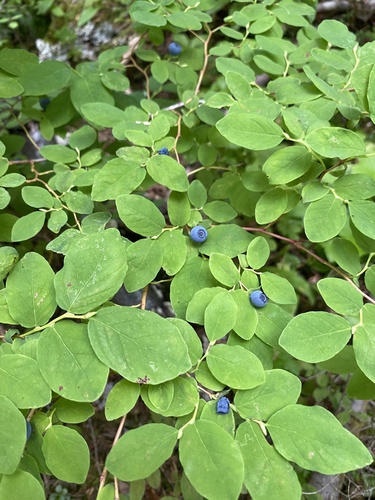
The park's unique rainforest microclimate supports a rich array of flora and fauna, making it a prime location for wildlife viewing and nature photography. Explorers can traverse trails winding through ancient forests, spot vibrant plant life like the Columbia Lily, Oval-leaf Blueberry, and Western Columbine, or marvel at the towering Douglas-fir and Pacific Madrone trees. Keep an eye out for iconic species such as the majestic American Black Bear, elusive Harbor Seal along the shoreline, or a variety of birds including the Ruffed Grouse, Canada Jay, and Dark-eyed Junco.
Mount Richardson Provincial Park promises a memorable adventure for those seeking tranquility and a connection with nature. Whether you're navigating the challenging ascent to Richardson Lake and the summit, paddling the serene waters of Sechelt Inlet, or simply enjoying the rustic charm of its campsites, the park delivers an unparalleled sense of escape. It's a place where the wild beauty of British Columbia truly shines, offering an authentic backcountry experience far from the beaten path. Enhance your adventure: download the Snappit app to identify the local species you encounter.
Mount Richardson Provincial Park was officially established on June 28, 1999. While much of the area remains pristine, parts of the park experienced a forest fire approximately 75-80 years ago, creating distinct age classes of trees visible today. The face of Mount Richardson holds significant cultural importance for the Sechelt Indian Band.
Hiking: Explore trails ranging from moderate to strenuous, including the ascent to the summit. Options like the Pine Bluff loop offer easier coastal forest walks.
Wildlife Viewing & Photography: Observe a wide variety of animals and plants in their natural habitat.
Paddling: Canoe or kayak on Sechelt Inlet, with rentals available in nearby Sechelt.
Scuba Diving & Snorkeling: Opportunities exist in Sechelt Inlet, particularly at Tuwanek Point Marine Park (water access only).
Camping: Experience rustic vehicle-accessible (4x4 required) or marine-accessible backcountry camping.
Spring/Fall: Prepare for a mix of rain, fog, and cooler temperatures. Wildlife activity may increase during these shoulder seasons.
Summer: Milder weather, making trails generally more accessible. Streams may become intermittent.
Winter: Snowfall at higher elevations, making some trails impassable.
The park is primarily accessed via rough, unpaved forest service roads requiring a 4x4 vehicle. There are no wheelchair-accessible facilities or paved trails within the park itself. Some easy hiking loops are available, but many trails involve significant elevation gain and rugged terrain.
Offers spectacular panoramic views of Sechelt Inlet and the surrounding landscape.
A peaceful alpine lake, often a regrouping point for hikers heading to the summit.
Features three boat-accessible marine campsites at Tuwanek, Oyster Beach, and Nine Mile Point, popular for paddling and marine life viewing.
Opportunities to spot American Black Bears, Harbor Seals, and various bird species.
Each card links to a full Explore page with photos, traits, and fun facts.
Start with the big picture, then zoom in to explore individual wildlife observations around this place.
Bring a 4x4 vehicle
Access roads are unpaved, rough, and include steep sections, requiring a 4-wheel drive.
Carry your own water
Potable water is not available in the park; streams are subject to a boil water advisory.
Be mindful of logging trucks
The access roads are active logging roads, so drive with extreme caution and yield to logging trucks.
Practice wildlife safety
Store food securely, and be aware of wildlife, especially American Black Bears and cougars. Pets should be kept on a leash and are not advised in backcountry areas due to potential wildlife conflicts.
Dress in layers and wear sturdy footwear: Weather can change quickly, and trails range from moderate to strenuous, often involving bushwhacking to reach the summit.
Pack out all garbage
As a wilderness park with limited facilities, it's crucial to practice Leave No Trace principles.
Aug 5, 2025
May 10, 2020

Maryland, US
You might spot White-Tailed Deer and Eastern Gray Squirrel.
View guide →
.jpg)
District of Columbia, US
You might spot Eastern Gray Squirrel, Duck, and House Sparrow.
View guide →

Illinois, US
You might spot American Robin, Canada Goose, and House Sparrow.
View guide →

Virginia, US
You might spot Spotted Lanternfly and Northern Cardinal.
View guide →
Take the discovery with you
Identify the wildlife you spot, learn as you go, and keep a collection of the adventure.












