.jpg&width=800)





Mycetophila
Mycetophila
Mycetophila is a type of tiny fly that loves to hang out in damp places like forests and wetlands. They are often seen buzzing around mushrooms and decaying leaves, playing an important role in nature.
Habitat: Forests, Wetlands
The Mycetophila is a small, slender fly, typically brown, black, or yellowish. It has prominent antennae, often longer than its head, and clear, delicate wings. Its body is somewhat hunchbacked, distinguishing it from common fruit flies.
Category
InsectsRarity
Common
Danger
1/5 · Very low
Snaps
Be the first to snap!
Adult fungus gnats typically only live for about 5 to 10 days!
Some Mycetophila species have antennae longer than their whole body!
Their larvae are often hidden deep within the caps and stems of mushrooms!
These tiny flies can beat their delicate wings over 200 times every second!
Mycetophila larvae can digest tough fungal mycelia because of specialized mouthparts that help them break down fungi.
Adult Mycetophila inadvertently carry fungal spores on their bodies that helps them disperse fungi to new locations.
Mycetophila adults have sensitive antennae that helps them detect damp, fungus-rich environments for laying eggs.
Larvae mainly eat fungi, decomposing plants, and sometimes roots; adults may feed on liquids.
Age differences: Larvae consume solid fungi and decaying matter; adults primarily drink nectar or water, with some not feeding at all.
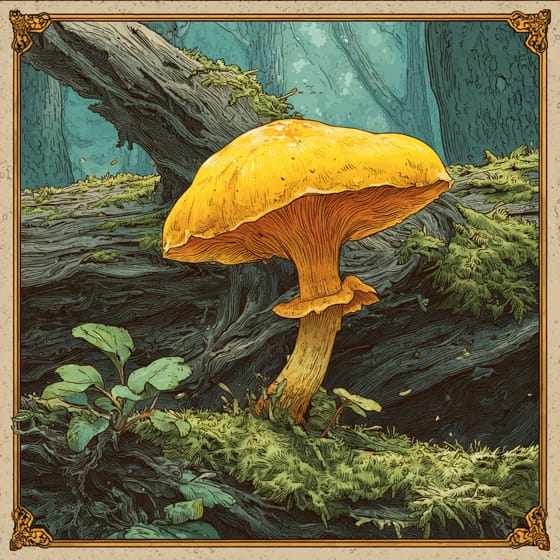
Hypholoma fasciculare
Mycetophila larvae consume the mycelia of various common woodland fungi.
%2C_Parc_de_Woluw%C3%A9%2C_Brussels_(13042792905).jpg&width=800)
Parus major
Adult and larval Mycetophila are a common food source for insectivorous birds.
Araneus diadematus
Flying Mycetophila can get trapped in the webs of various predatory spiders.
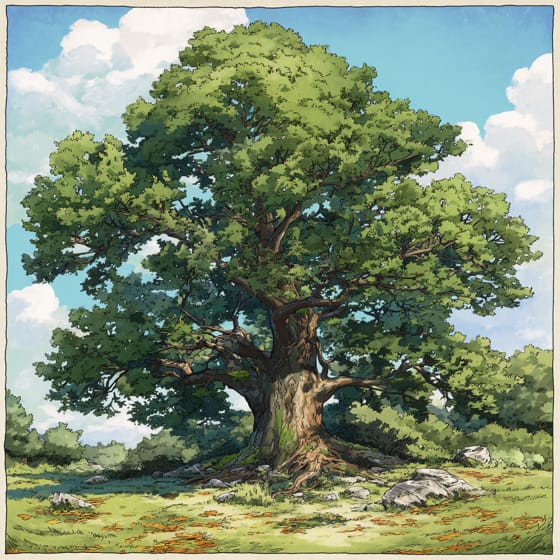
Quercus robur
They depend on decaying wood and leaf litter from trees for fungal growth.
Social animals live in organized groups, cooperating for survival benefits such as foraging, defense, and raising offspring.
This trait characterizes organisms whose diet consists entirely or primarily of plant material.
Describes organisms that break down dead organic material, recycling nutrients back into the ecosystem.
Forest habitats are terrestrial environments dominated by dense tree cover, supporting a high diversity of plant and animal life.

This habitat trait identifies species found in wetlands, which are areas of land saturated with water, either permanently or seasonally, including marshes, swamps, and bogs.

Diurnal animals are primarily active during daylight hours, typically resting or sleeping at night.

Describes a species whose presence and role have a disproportionately large effect on its environment.

Pertaining to species that are significantly smaller than typical or average for their kind.

Describes organisms that transfer pollen, enabling the fertilization and reproduction of plants.
No aliases listed yet.
Danger
1/5 · Very low
These flies are harmless, but it's best to watch them from a distance.
The easiest way to identify Mycetophila is to use the Snappit nature identifier app.
4-10 mm
2-5 mm
5-15 days
Larvae mainly eat fungi, decomposing plants, and sometimes roots; adults may feed on liquids.
Forests, Wetlands
Foraging
6
Zoom in to split clusters and explore where this object has been snapped.
Recent snaps will appear here as new observations are added.
Take the discovery with you
Snap it with Snappit to identify it, learn what makes it special, and add the discovery to your collection.







.jpg&width=800)


