





Cabbage White
Pieris rapae
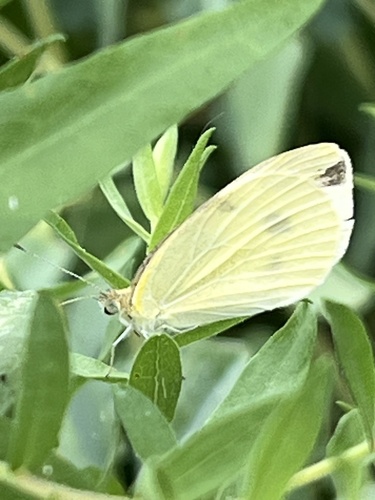
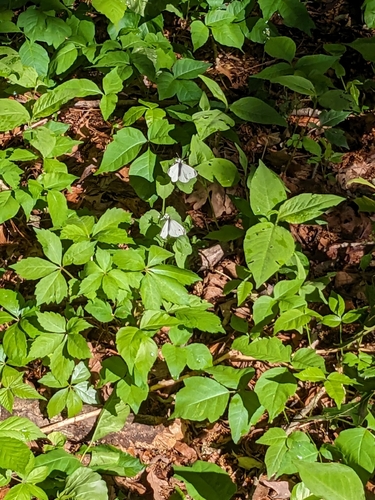
The Cabbage White is a small white butterfly that loves to flutter around gardens. It often lays its eggs on cabbage plants!
Habitat: Gardens and farmland
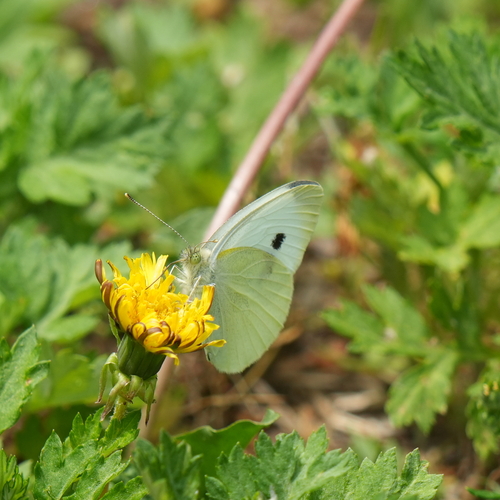
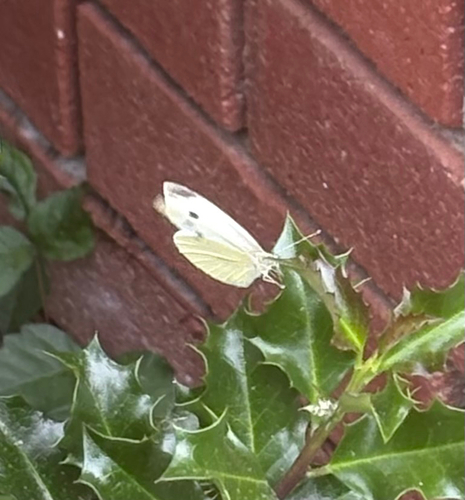
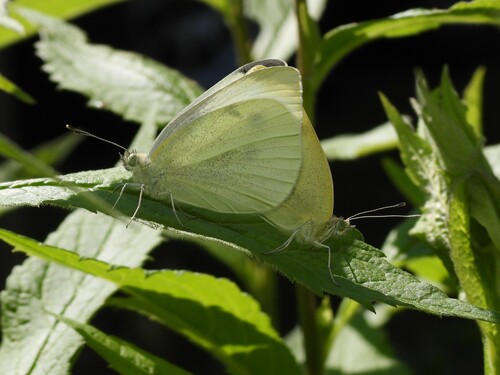
The Cabbage White is a medium-sized butterfly with creamy white wings. Its forewings often have one or two black spots and dark tips, especially in females. This pattern helps distinguish it from other pure white butterflies.
Category
InsectsRarity
Common
Danger
2/5 · Low
Snaps
109
Adult Cabbage Whites use their feet to taste if a plant is suitable for their babies.
Cabbage Whites have been accidentally introduced to many new countries by humans.
Their caterpillars are often called 'cabbage worms' because they love munching on plants like cabbage!
They lay tiny, torpedo-shaped eggs that often start yellow and turn gray.
Cabbage White caterpillars can taste bad because they store mustard oils from plants, which helps them deter predators.
Cabbage Whites can fly long distances to find new food sources and mates, helping them expand their range.
Cabbage Whites can bask in the sun to warm up their bodies, allowing them to fly even on cooler days.
Caterpillars munch on leaves of host plants, while adult butterflies sip sweet flower nectar.
Age differences: Larvae (caterpillars) feed exclusively on plant leaves, while adults feed on flower nectar.

Brassica oleracea
Caterpillars feed on leaves.
Cotesia glomerata
Wasp larvae develop inside the caterpillar.
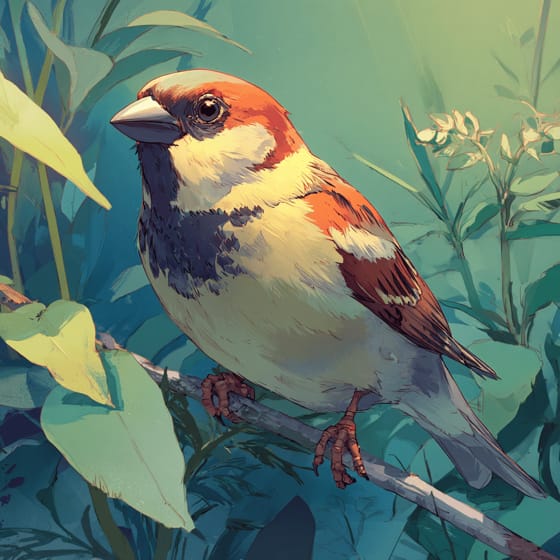
Passer domesticus
Birds commonly prey on butterflies.

Trifolium repens
Adults drink nectar, helping pollination.
Wildlife encompasses all undomesticated animal and plant life existing in their natural habitats.
This trait characterizes organisms whose diet consists entirely or primarily of plant material.
Diurnal animals are primarily active during daylight hours, typically resting or sleeping at night.
This habitat trait indicates species that can coexist with humans in urban and suburban environments, utilizing man-made structures and green spaces.

Describes organisms that transfer pollen, enabling the fertilization and reproduction of plants.
Danger
2/5 · Low
Do not touch or pick up. Some insects sting or bite. Ask an adult for help.
The easiest way to identify Cabbage White is to use the Snappit nature identifier app.
45-60 mm
15-20 mm
14-21 days
16 km/h
Caterpillars munch on leaves of host plants, while adult butterflies sip sweet flower nectar.
Gardens and farmland
Foraging
Zoom in to split clusters and explore where this object has been snapped.
Jun 18, 2026
United States National ArboretumPhoto attribution
(c) Frederick Nunley, some rights reserved (CC BY)
License: CC BY 4.0 ↗
Image may be shown cropped inside the card frame.
Jun 7, 2026
Queens Vietnam Veterans MemorialPhoto attribution
no rights reserved
License: CC0 1.0 ↗
Image may be shown cropped inside the card frame.
Jun 6, 2026
Reeves-Reed ArboretumPhoto attribution
(c) foxsu, some rights reserved (CC BY)
License: CC BY 4.0 ↗
Image may be shown cropped inside the card frame.
Jun 6, 2026
Mount Kisco Municipal ComplexPhoto attribution
(c) eml23, some rights reserved (CC BY)
License: CC BY 4.0 ↗
Image may be shown cropped inside the card frame.
Jun 1, 2026
Monmouth Battlefield State ParkPhoto attribution
(c) geosesarma, some rights reserved (CC BY)
License: CC BY 4.0 ↗
Image may be shown cropped inside the card frame.

Virginia, US
You might spot Eastern Box Turtle and White-Tailed Deer.
View guide →

New York, US
You might spot Sundial Lupine, Spotted Horsemint, and New Jersey Tea.
View guide →

Rhode Island, US
You might spot Spotted Lanternfly, Duck, and American Robin.
View guide →

District of Columbia, US
You might spot Eastern Gray Squirrel, Duck, and House Sparrow.
View guide →
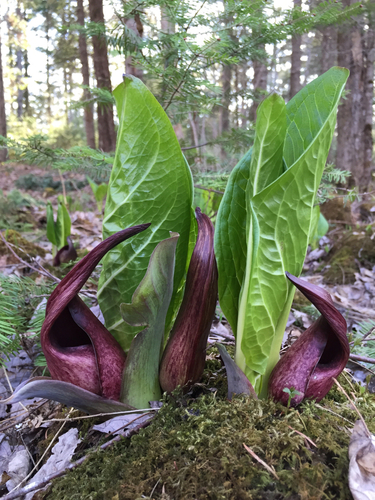
Connecticut, US
You might spot Eastern Skunk Cabbage and Eastern White Pine.
View guide →

New York, US
You might spot Common Eastern Bumble Bee and American Robin.
View guide →
Take the discovery with you
Snap it with Snappit to identify it, learn what makes it special, and add the discovery to your collection.







.jpg&width=800)




