_(34321014735).jpg&width=800)





Nantucket Shadbush
amelanchier nantucketensis
The Nantucket Shadbush is a beautiful flowering tree that blooms with lovely white flowers in spring! Its sweet berries attract many birds and other wildlife, making it a fun spot to explore nature.
Habitat: Nantucket Shadbush typically grows in forests, along roadsides, and in open fields.
The Nantucket Shadbush is a multi-stemmed shrub with an open, spreading habit. It produces showy clusters of delicate white flowers in early spring, often before its oval, fine-toothed leaves fully emerge. Its leaves turn a vibrant reddish-orange in autumn, and it produces small, sweet, red-purple berries in early summer.
Category
PlantsRarity
Common
Danger
0/5 · No known danger
Snaps
1
Birds and mammals devour its berries, spreading seeds far and wide!
Its early blooms signaled when shad fish migrated upstream!
Some call its fruit "sugar-plums" for their delicious sweetness!
This hardy shrub can grow right on windy beach dunes!
Nantucket Shadbush can bloom very early in spring, allowing it to capture early pollinators before many other plants have flowered.
Nantucket Shadbush produces sweet, edible berries that provide crucial food for many birds and mammals in late spring and early summer.
Nantucket Shadbush has deep roots and a tough shrubby form that helps it survive harsh coastal winds and sandy soils.
Apis mellifera
Collects nectar and pollen from its early spring flowers.
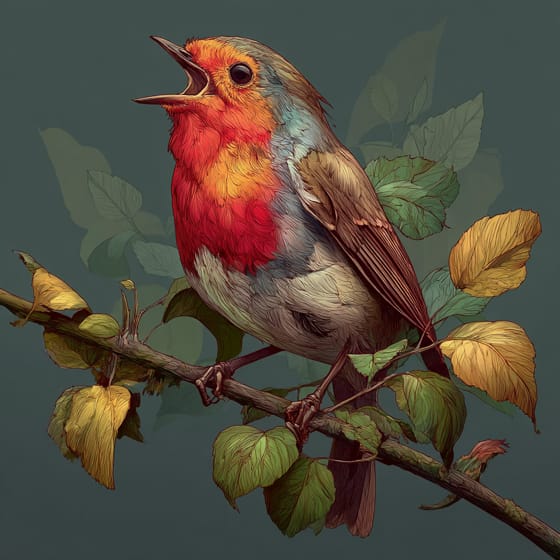
Turdus migratorius
Feeds on its ripe, sweet berries in late spring.
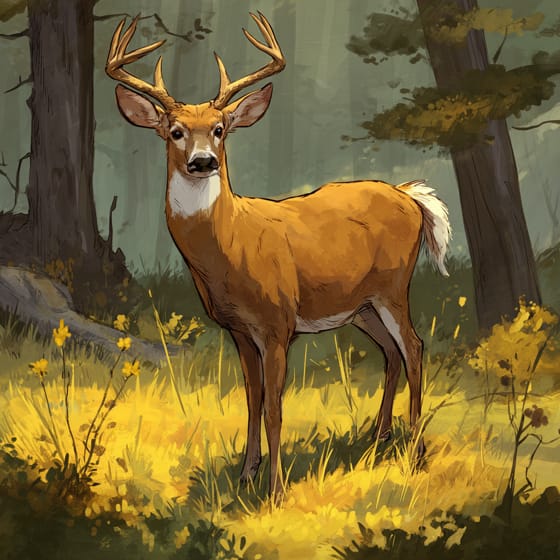
Odocoileus virginianus
Browses on its leaves and twigs, especially in winter.
.JPG&width=800)
Sylvilagus floridanus
Finds cover and protection within its dense shrubby thickets.
Social animals live in organized groups, cooperating for survival benefits such as foraging, defense, and raising offspring.
Colorful describes organisms or objects displaying a wide range of bright and distinct colors.
Forest habitats are terrestrial environments dominated by dense tree cover, supporting a high diversity of plant and animal life.
Diurnal animals are primarily active during daylight hours, typically resting or sleeping at night.

Describes organisms that transfer pollen, enabling the fertilization and reproduction of plants.
No aliases listed yet.
Danger
0/5 · No known danger
No special safety notes yet.
The easiest way to identify Nantucket Shadbush is to use the Snappit nature identifier app.
50-200 cm
50-300 cm
1-2 cm
Early spring (April-May)
Yes
None
Perennial
Zoom in to split clusters and explore where this object has been snapped.
Take the discovery with you
Snap it with Snappit to identify it, learn what makes it special, and add the discovery to your collection.





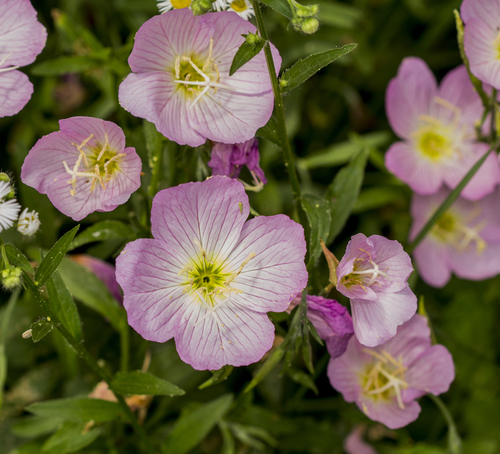




.jpg&width=800)



_001.jpg&width=800)




