





Nectarine Tree
Citrus sinensis
Orange Trees are famous for their bright, juicy oranges! They have lovely flowers that smell sweet.
Habitat: Orchards and warm climates
The Nectarine Tree is a small, spreading deciduous tree with a rounded crown. It has slender branches bearing long, lance-shaped green leaves. In spring, it bursts into showy pink or white blossoms before developing smooth-skinned, red-orange fruit.
Category
TreesRarity
Common
Danger
1/5 · Very low
Snaps
Be the first to snap!
China is where nectarines were first cultivated, over 4,000 years ago!
Nectarines are just peaches without the fuzzy skin—a natural genetic variation!
Some nectarine trees can produce fruit that weighs over a pound each!
The name 'nectarine' comes from 'nectar,' describing its super sweet, juicy flesh.
Nectarine Tree has a naturally smooth fruit skin that helps protect its juicy flesh from some pests.
Nectarine Tree can blossom early in spring, attracting pollinators when fewer other food sources are available.
Nectarine Tree has a hard central pit that protects its precious seed from being digested by animals.
Apis mellifera
Visits blossoms to collect nectar and pollen.
.jpg&width=800)
Carpocapsa pomonella
Larvae bore into the fruit, causing damage.
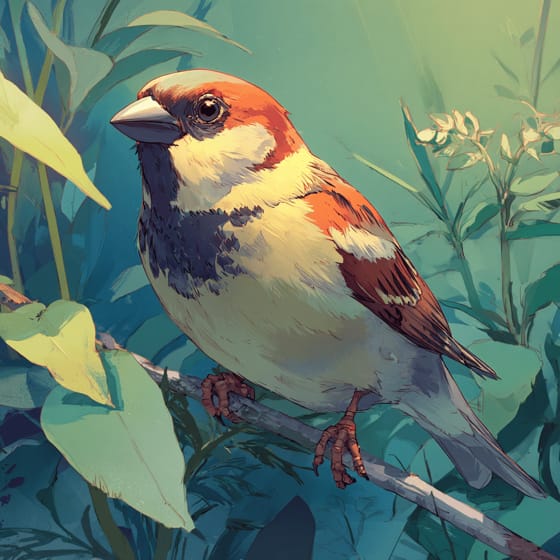
Passer domesticus
Builds nests within the tree's protective branches.
Deciduous plants periodically shed all their leaves, typically during autumn or dry seasons.
Fragrant flowers emit a pleasant aroma, often to attract pollinators or for defense.
A fruit tree is a perennial tree that produces fruit, which is edible to humans or animals.
Edible plants are those parts of a plant that are considered safe for human consumption.

This habitat trait indicates species that can coexist with humans in urban and suburban environments, utilizing man-made structures and green spaces.

Describes organisms that transfer pollen, enabling the fertilization and reproduction of plants.
No aliases listed yet.
Danger
1/5 · Very low
Do not pick or eat anything you find. Some plants and mushrooms can be harmful.
The easiest way to identify Nectarine Tree is to use the Snappit nature identifier app.
3-6 m
3-6 m
Yes
15-30 cm
15-25 years
Orchards and warm climates
Nectarine (Drupe)
Zoom in to split clusters and explore where this object has been snapped.
Recent snaps will appear here as new observations are added.
Take the discovery with you
Snap it with Snappit to identify it, learn what makes it special, and add the discovery to your collection.











