





Nelson's milksnake
Lampropeltis triangulum nelsoni
Nelson's milksnake is a colorful snake with beautiful patterns! They are friendly and often found in the wild, hiding under rocks or in leaf litter.
Habitat: Grasslands
The Nelson's milksnake is a vibrant reptile with bold bands of bright red, creamy white or yellow, and black. Its distinct pattern of red bands bordered by thin black lines mimics the venomous coral snake, but on this harmless snake, red touches black, not yellow.
Category
ReptilesRarity
Common
Danger
1/5 · Very low
Snaps
Be the first to snap!
Baby milksnakes are born looking like tiny adults, ready to hunt alone!
Milksnakes got their name from being found in barns, not because they drank milk!
Some can vibrate their tails against leaves to sound like a rattlesnake!
When scared, they often hide their head and wiggle their tail to look bigger!
Nelson's milksnake uses its bright red, black, and white bands to mimic venomous coral snakes, scaring away predators.
Nelson's milksnake can squeeze small prey very tightly, stopping their breathing and making them easy to eat.
Nelson's milksnake has strong muscles and specialized scales that let it climb trees and rocks easily.
Nelson's milksnakes are carnivores that eat small animals they catch with a powerful squeeze!
Age differences: Young snakes eat smaller versions of adult prey, such as insect larvae and small lizards.
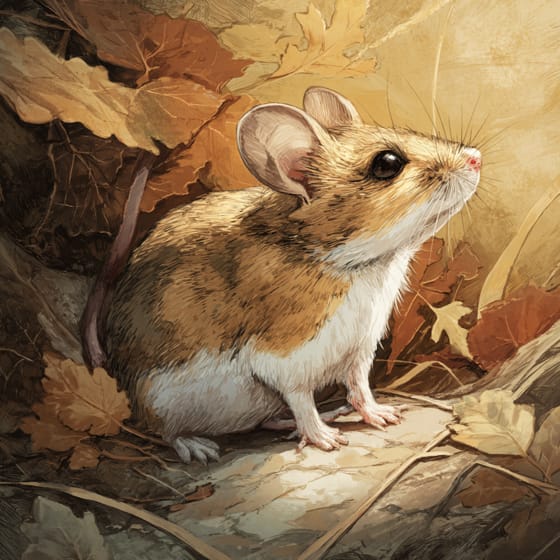
Peromyscus maniculatus
A common food source.
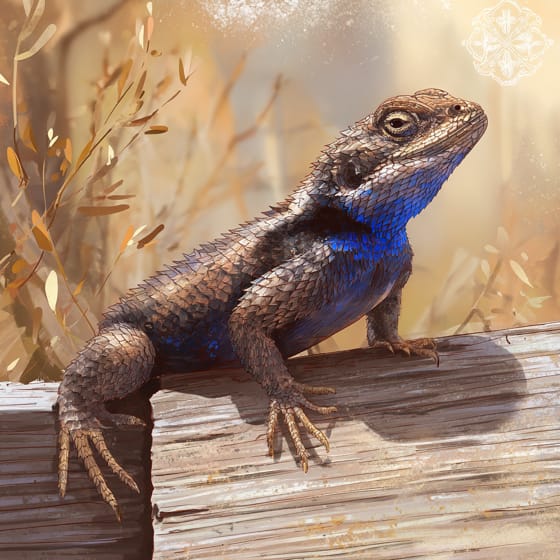
Sceloporus occidentalis
Often preyed upon.
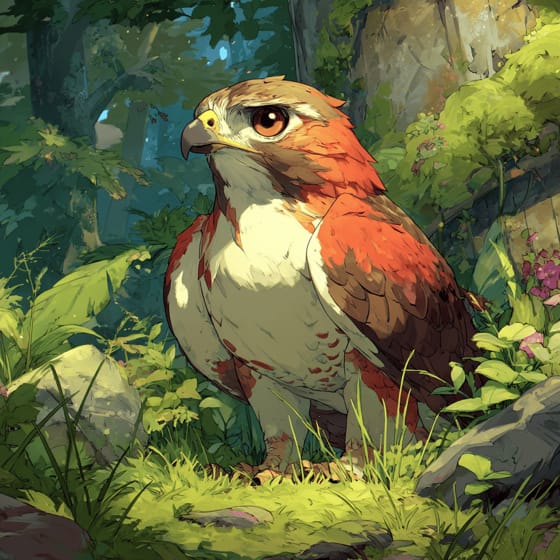
Buteo jamaicensis
A common aerial predator.
Didelphis virginiana
Opportunistic ground predator.
Marked with parallel bands or lines of color.
Solitary animals live alone for most of their lives, only interacting with others for mating or parental care.
Colorful describes organisms or objects displaying a wide range of bright and distinct colors.
Grassland habitats are terrestrial biomes dominated by grasses and herbaceous plants, supporting a variety of grazing animals.

This trait identifies organisms whose diet consists entirely or primarily of animal tissue.

Diurnal animals are primarily active during daylight hours, typically resting or sleeping at night.
Danger
1/5 · Very low
If you see a snake, it's best to watch from a distance and not touch it.
The easiest way to identify Nelson's milksnake is to use the Snappit nature identifier app.
60-120 cm
0.1-0.5 kg
10-20 years
4 km/h
Nelson's milksnakes are carnivores that eat small animals they catch with a powerful squeeze!
Grasslands
Ambush
Zoom in to split clusters and explore where this object has been snapped.
Recent snaps will appear here as new observations are added.
Take the discovery with you
Snap it with Snappit to identify it, learn what makes it special, and add the discovery to your collection.













