



Neogyromitra Brunnea
neogyromitra brunnea
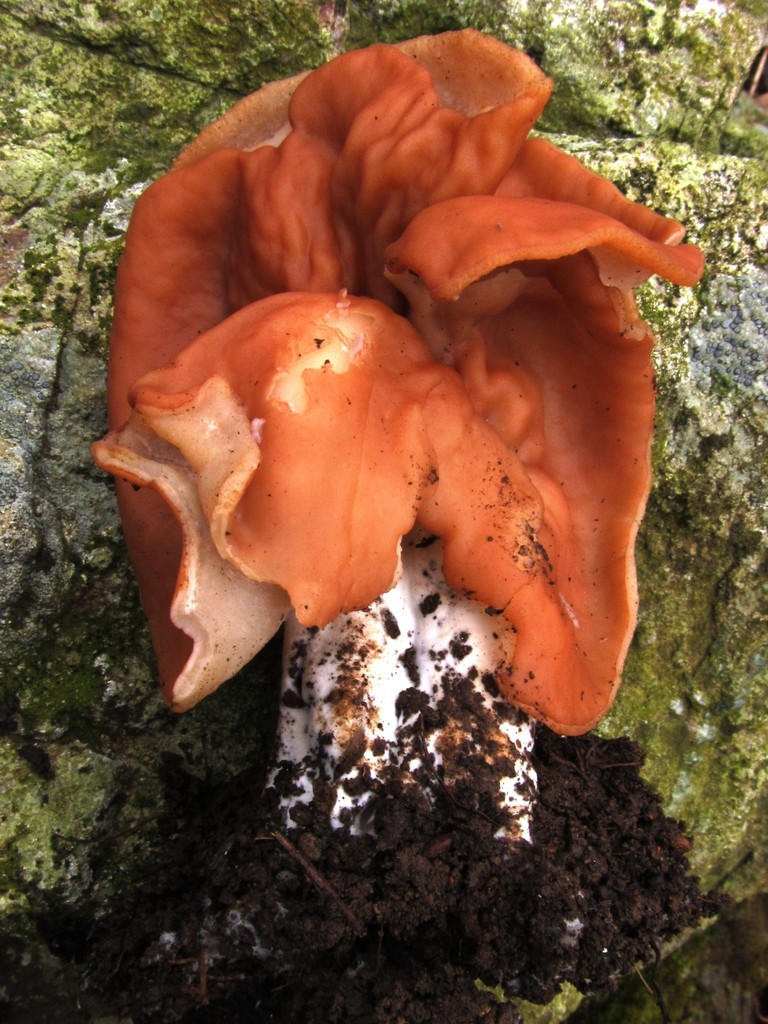
Neogyromitra brunnea is a fascinating fungus that resembles a brain! It grows on the forest floor and loves damp, shady spots.
Habitat: Moist and shady areas in forests, especially in sandy or loamy soil.
The Neogyromitra Brunnea has a deeply wrinkled, irregularly lobed cap that often resembles a brain, colored reddish-brown to dark brown. Its stalk is stout, pale, and often grooved. This distinct, convoluted cap immediately sets it apart from the smoother, conical true morels.
Category
FungiRarity
Common
Danger
4/5 · High
Snaps
Be the first to snap!
It sends out millions of invisible spores, like tiny parachutes, to find new homes!
Its wiggly, brain-like cap makes it look totally alien!
Some scientists call it a 'false morel' due to its similar look to a yummy mushroom!
This mushroom contains a chemical once used for rocket fuel!
Neogyromitra Brunnea produces gyromitrin because it helps them deter animals from eating them, protecting the fungus.
Neogyromitra Brunnea can break down dead wood and leaves that helps them return vital nutrients to the forest soil.
Neogyromitra Brunnea has the ability to appear very early in spring that helps them release spores before competition arises.
Solitary animals live alone for most of their lives, only interacting with others for mating or parental care.
Colorful describes organisms or objects displaying a wide range of bright and distinct colors.
Describes organisms that break down dead organic material, recycling nutrients back into the ecosystem.
Forest habitats are terrestrial environments dominated by dense tree cover, supporting a high diversity of plant and animal life.
Danger
4/5 · High
Do not touch or eat wild mushrooms without adult supervision.
Compare the cap shape, the underside, the stem and base, and whether the fungus grows on wood or soil. Some fungi have gills, others pores or teeth. A cap seen only from above often hides the most useful features. Mushroom Identifier: upload a photo and compare the visible details.
5-10 cm
poisonous
5-15 cm
Moist and shady areas in forests, especially in sandy or loamy soil.
soil
Spring
Yellowish-brown
Zoom in to split clusters and explore where this object has been snapped.
Recent snaps will appear here as new observations are added.
Take the discovery with you
Snap it with Snappit to identify it, learn what makes it special, and add the discovery to your collection.