





Nevada Bumble Bee
Bombus nevadensis
The Nevada Bumble Bee is a fuzzy little insect that loves to buzz around flowers. They help plants grow by spreading pollen while they collect nectar for their yummy food.
Habitat: Mountain regions
The Nevada Bumble Bee is a large, robust bee often covered in dense yellow fur, especially on its head and thorax. Its abdomen typically appears black, providing a striking contrast to its bright yellow front. It has a relatively long face and proboscis.
Category
InsectsRarity
Common
Danger
2/5 · Low
Snaps
3
Bumble bees don't 'dance' to tell others about food; instead, they communicate using scents and touch!
Only the queen bumble bee lives through winter, waking up to start an entire new colony all alone!
Their small nests only hold enough honey for a few days, so they don't make much honey for people!
Unlike honeybees, these bees can sting more than once because their stinger is smooth, not barbed!
Nevada Bumble Bee can 'buzz pollinate' certain flowers by vibrating its flight muscles, which helps shake out hard-to-reach pollen.
Nevada Bumble Bee has a super-long tongue (proboscis), allowing it to reach nectar hidden deep inside long, tubular flowers.
Nevada Bumble Bee has a furry body and can shiver its muscles to warm up, allowing it to fly and forage on cooler days.
These fuzzy bees sip sweet nectar for energy and collect pollen for protein!
Lupinus argenteus
A key wildflower providing nectar and pollen.

Trifolium pratense
A common flower it visits for food.
Bombus insularis
Invades nests and lays its own eggs.
.jpg&width=800)
Tyrannus verticalis
An insectivorous bird that sometimes preys on bees.
Furry describes animals possessing a dense covering of soft hair or fur.
Social animals live in organized groups, cooperating for survival benefits such as foraging, defense, and raising offspring.
This trait characterizes organisms whose diet consists entirely or primarily of plant material.
Describes plants that are particularly attractive and beneficial to a wide range of pollinating organisms.

This habitat trait identifies species found in mountainous regions, characterized by high elevation, steep slopes, and varying climate zones.

Diurnal animals are primarily active during daylight hours, typically resting or sleeping at night.

Describes a species whose presence and role have a disproportionately large effect on its environment.

Describes organisms that transfer pollen, enabling the fertilization and reproduction of plants.
No aliases listed yet.
Danger
2/5 · Low
Bumble bees are friendly and won't sting unless they feel scared. Just watch them from a distance!
The easiest way to identify Nevada Bumble Bee is to use the Snappit nature identifier app.
22-40 mm
15-25 mm
25-365 days
15 km/h
These fuzzy bees sip sweet nectar for energy and collect pollen for protein!
Mountain regions
Foraging
Zoom in to split clusters and explore where this object has been snapped.

Colorado, US
You might spot Bee, Great Spreadwing, and Duck.
View guide →

Washington, US
You might spot Arrowleaf Balsamroot and Canada Goose.
View guide →

US
You might spot Tricolored Bumble Bee and Half-Black Bumble Bee.
View guide →
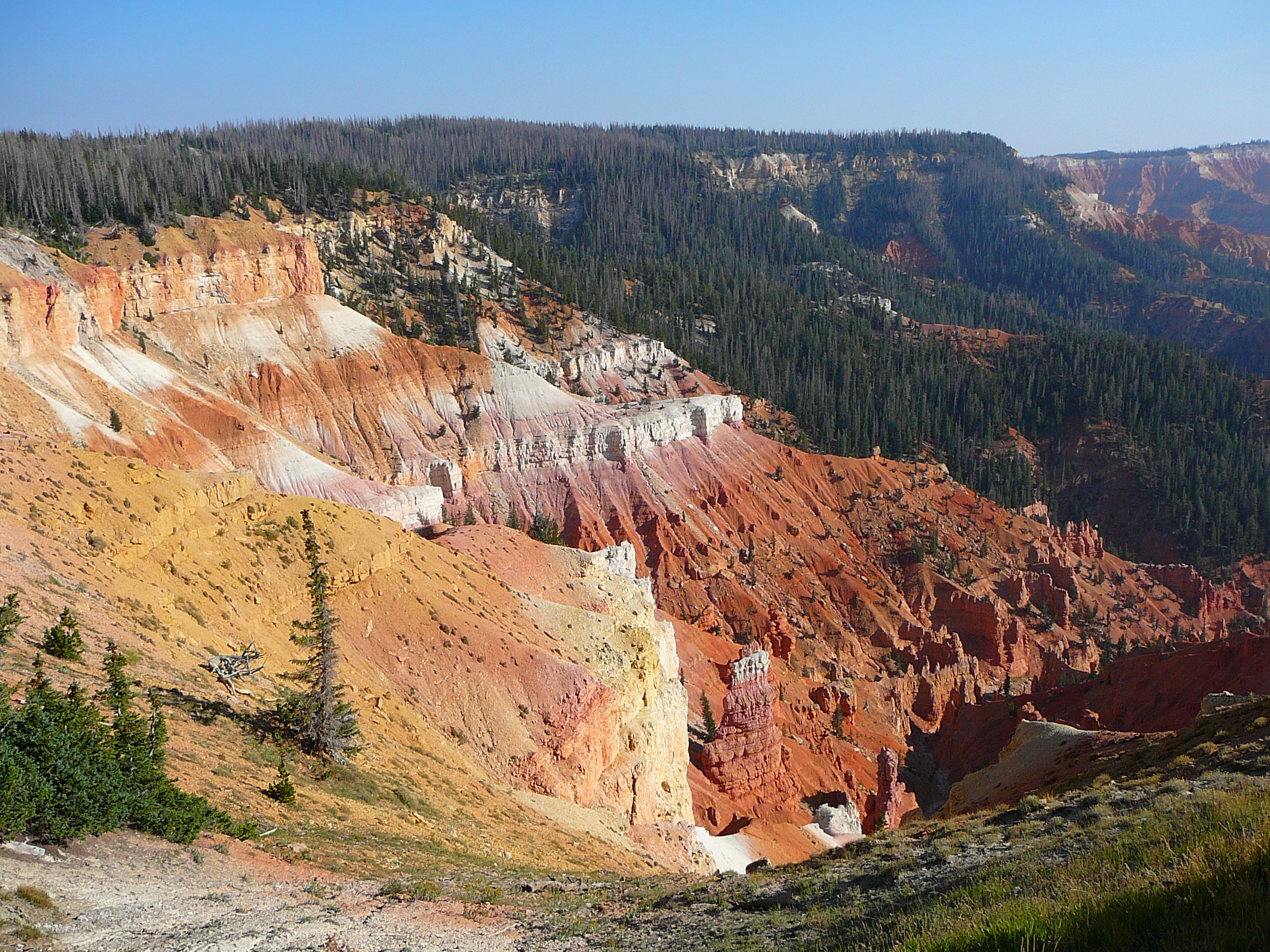
Utah, US
You might spot Great Basin Bristlecone Pine and Blue Columbine.
View guide →
Take the discovery with you
Snap it with Snappit to identify it, learn what makes it special, and add the discovery to your collection.






.jpg&width=800)



