





Welsh Wave Moth
Venusia cambrica
The Welsh Wave Moth is a beautiful insect with wavy patterns on its wings. It loves to fly around gardens and fields, especially at night when it looks for tasty flowers.
Habitat: Grasslands
The Welsh Wave Moth has pale greyish-white forewings distinctly patterned with intricate darker wavy cross-lines. These patterns help it mimic lichen or tree bark, providing excellent camouflage. It also features a small, dark discal spot on each wing.
Category
InsectsRarity
Common
Danger
1/5 · Very low
Snaps
Be the first to snap!
A second brood of moths can emerge in late summer during warm years.
Baby Welsh Wave Moths (caterpillars) are called 'loopers' because of how they walk.
Its 'wave' patterns are so unique, they inspired its name!
They can shiver their wings to warm up flight muscles on chilly nights.
Welsh Wave Moths blend perfectly into tree bark because their wavy wing patterns mimic lichen, helping them hide from predators.
Welsh Wave Moths use large compound eyes to navigate and find flowers because they are mostly active at night.
Welsh Wave Moth caterpillars transform inside a cozy pupa that helps them change into a flying adult moth.
Adult Welsh Wave Moths drink flower nectar; caterpillars munch on leaves.
Age differences: Adults feed on nectar, while caterpillars feed on the leaves of specific trees like Rowan and Birch.
Sorbus aucuparia
Larvae munch on its leaves.
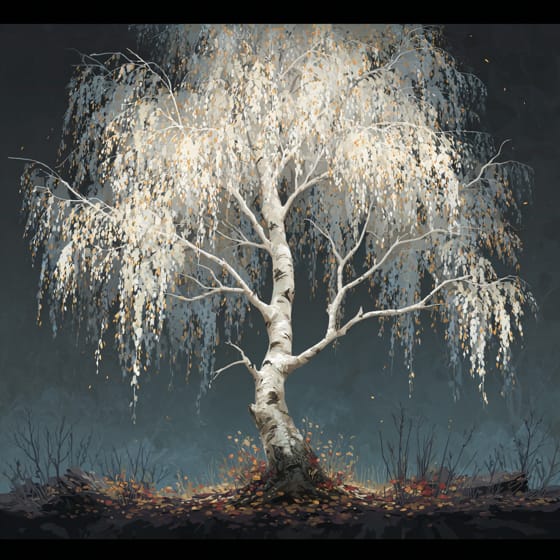
Betula pendula
Caterpillars feed on its foliage.
.jpg&width=800)
Myotis nattereri
Flies at night, a tasty treat for bats.
Cyanistes caeruleus
Adults and caterpillars are prey for birds.
Camouflaged describes organisms that possess coloring or patterns that allow them to blend into their environment.
Colorful describes organisms or objects displaying a wide range of bright and distinct colors.
Grassland habitats are terrestrial biomes dominated by grasses and herbaceous plants, supporting a variety of grazing animals.
This trait characterizes organisms whose diet consists entirely or primarily of plant material.

Describes plants that are particularly attractive and beneficial to a wide range of pollinating organisms.

Nocturnal animals are primarily active during the nighttime hours, typically resting or sleeping during the day.

Describes organisms that transfer pollen, enabling the fertilization and reproduction of plants.
No aliases listed yet.
Danger
1/5 · Very low
Moths are usually safe, but it's best to watch them from a distance.
The easiest way to identify Welsh Wave Moth is to use the Snappit nature identifier app.
25-30 mm
10-15 mm
30-60 days
Adult Welsh Wave Moths drink flower nectar; caterpillars munch on leaves.
Grasslands
Foraging
6
Zoom in to split clusters and explore where this object has been snapped.
Recent snaps will appear here as new observations are added.
Take the discovery with you
Snap it with Snappit to identify it, learn what makes it special, and add the discovery to your collection.








.jpg&width=800)



