





Nine-spotted Lady Beetle
Coccinella novemnotata
The Nine-spotted Lady Beetle is a small, round bug with bright colors and nine black spots on its back. These friendly beetles love to eat aphids, which helps keep plants healthy!
Habitat: Urban areas, Gardens
The Nine-spotted Lady Beetle has a distinctive oval, dome-shaped body, typically bright orange to red. It is easily recognized by the nine prominent black spots covering its wing covers, with four on each side and one shared at the top center. This pattern clearly differentiates it from many other ladybug species.
Category
InsectsRarity
Common
Danger
1/5 · Very low
Snaps
2
In winter, many Nine-spotted Lady Beetles gather together for a long, cozy sleep!
Nine-spotted Lady Beetles were once super common but are now incredibly rare in many places!
These tiny beetles can 'taste' with their feet to find the best places to lay eggs!
They don't really chew food; they use special mouthparts to slurp up their meals!
Nine-spotted Lady Beetle can release a stinky, bitter fluid from its legs that helps them repel predators when they feel threatened.
Nine-spotted Lady Beetle has bright colors and bold spots that warn predators they taste bad, helping them avoid being eaten.
Nine-spotted Lady Beetle can quickly unfurl its hidden wings to fly, which helps them escape danger and find new sources of aphids.
Nine-spotted Lady Beetle can tuck in its legs and play dead, which helps them trick predators into losing interest and moving on.
These tiny hunters mostly gobble up small plant-eating insects, keeping gardens healthy!
Age differences: Larvae and adults both primarily eat aphids and other small soft-bodied insects.
Aphis gossypii
Keeps populations of these plant pests under control.
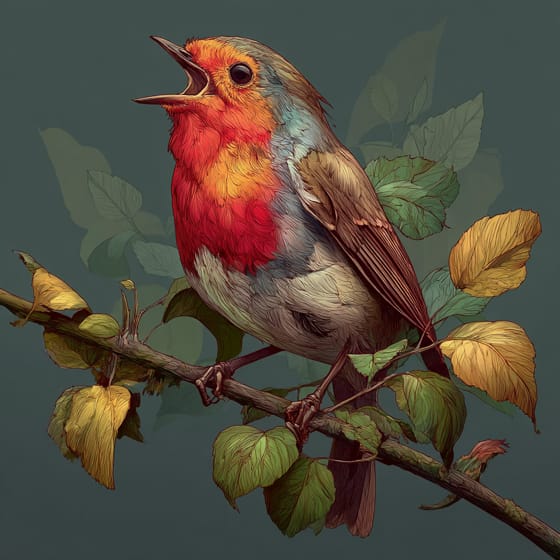
Turdus migratorius
A food source for this common garden bird.
Misumena vatia
Can become prey for this camouflaged spider.
Marked with spots or patches of a different color.
Solitary animals live alone for most of their lives, only interacting with others for mating or parental care.
Aerial creatures spend a significant portion of their lives airborne, utilizing flight for various activities such as hunting, migration, or nesting.
Colorful describes organisms or objects displaying a wide range of bright and distinct colors.

This trait identifies organisms whose diet primarily consists of insects and other small invertebrates.

Diurnal animals are primarily active during daylight hours, typically resting or sleeping at night.

This habitat trait indicates species that can coexist with humans in urban and suburban environments, utilizing man-made structures and green spaces.

Describes organisms that transfer pollen, enabling the fertilization and reproduction of plants.
No aliases listed yet.
Danger
1/5 · Very low
These beetles are safe to observe, but it's best not to touch them too much.
The easiest way to identify Nine-spotted Lady Beetle is to use the Snappit nature identifier app.
10-15 mm
5-8 mm
250-365 days
10 km/h
These tiny hunters mostly gobble up small plant-eating insects, keeping gardens healthy!
Urban areas, Gardens
Foraging
Zoom in to split clusters and explore where this object has been snapped.
Take the discovery with you
Snap it with Snappit to identify it, learn what makes it special, and add the discovery to your collection.









.jpg&width=800)



