





Non-biting Midges
Chironomidae
Non-biting midges are tiny flying insects that look like mosquitoes but don't bite! They often gather near water and are important for the ecosystem.
Habitat: Wetlands
The Non-biting Midges has slender bodies, long legs, and delicate wings. They appear grayish, brownish, or greenish. Unlike mosquitoes, their wings lack scales and they often hold front legs like antennae, and they do not have a proboscis.
Category
InsectsRarity
Common
Danger
1/5 · Very low
Snaps
Be the first to snap!
Adult non-biting midges often don't bite or eat, living off stored energy!
Midge larvae can live in frozen water by producing a natural antifreeze!
Some midge larvae are called "bloodworms" because they are bright red!
Their tiny wings beat incredibly fast, making a high-pitched buzzing sound!
Non-biting Midge larvae have hemoglobin, which helps them absorb oxygen in low-oxygen water.
Non-biting Midge larvae burrow into mud, which helps aerate the aquatic environment for other creatures.
Adult Non-biting Midges perform aerial swarms, which helps them find mates more easily.
Larvae eat decaying plants and algae; adults typically do not feed or consume nectar for energy.
Age differences: Larvae are detritivores, while most adults do not feed or consume nectar.
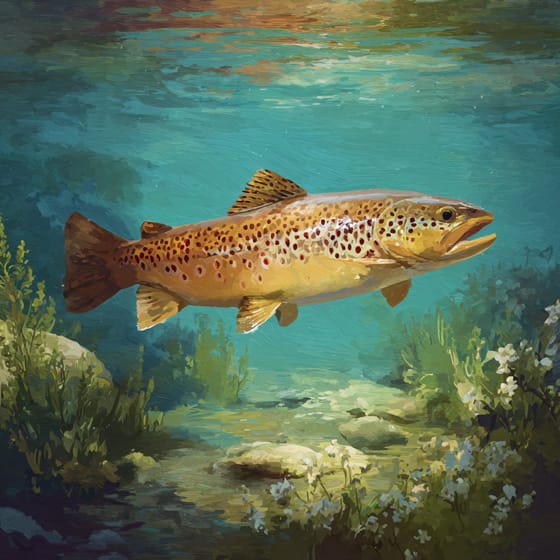
Salmo trutta
Larvae are a vital food source for many freshwater fish.
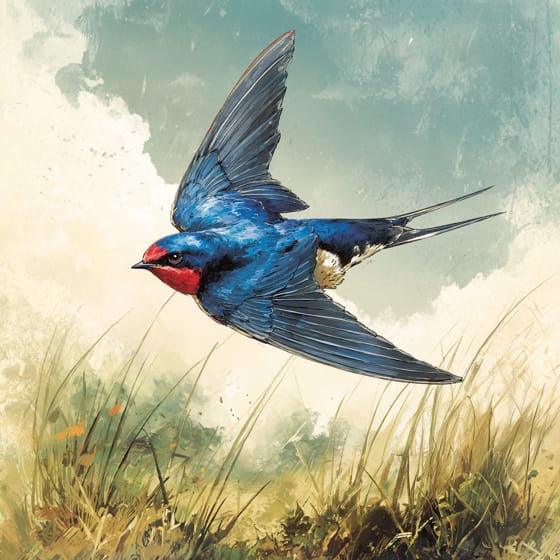
Hirundo rustica
Adults provide important aerial food for insectivorous birds.
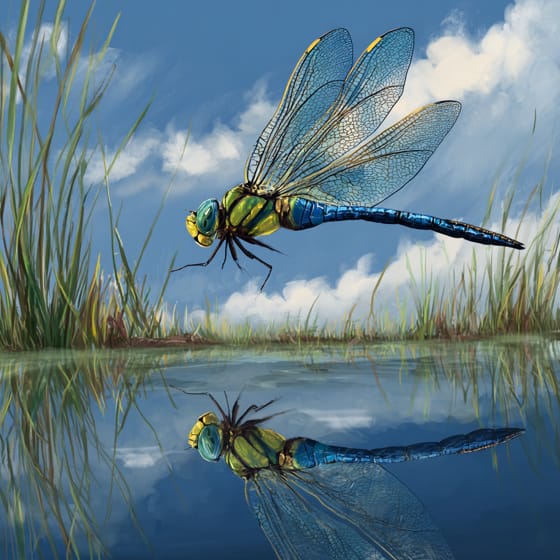
Anax imperator
Larvae are prey for predatory aquatic insect nymphs.
Theobroma cacao
Some species are crucial pollinators of the cocoa plant.
Social animals live in organized groups, cooperating for survival benefits such as foraging, defense, and raising offspring.
Filter feeders obtain nutrients by straining suspended food particles and small organisms from water.
This trait characterizes organisms whose diet consists entirely or primarily of plant material.
This habitat trait identifies species found in wetlands, which are areas of land saturated with water, either permanently or seasonally, including marshes, swamps, and bogs.

Diurnal animals are primarily active during daylight hours, typically resting or sleeping at night.

Freshwater habitats include non-saline aquatic environments such as rivers, lakes, ponds, and wetlands, vital for numerous species.

Describes a species whose presence and role have a disproportionately large effect on its environment.

Pertaining to species that are significantly smaller than typical or average for their kind.

Describes organisms that transfer pollen, enabling the fertilization and reproduction of plants.
No aliases listed yet.
Danger
1/5 · Very low
Non-biting midges are harmless, but it's best to avoid swatting at them.
The easiest way to identify Non-biting Midges is to use the Snappit nature identifier app.
3-12 mm
2-10 mm
2-7 days
Larvae eat decaying plants and algae; adults typically do not feed or consume nectar for energy.
Wetlands
Foraging
6
Zoom in to split clusters and explore where this object has been snapped.
Recent snaps will appear here as new observations are added.
Take the discovery with you
Snap it with Snappit to identify it, learn what makes it special, and add the discovery to your collection.









.jpg&width=800)



