





Nordmann'S Orbweaver
araneus nordmanni
The Nordmann's Orbweaver spins beautiful, circular webs that can catch flying insects! These spiders are great at helping keep gardens healthy by controlling pest populations.
Habitat: Typically found in gardens, forests, and meadows across Europe and Asia.
The Nordmann'S Orbweaver has a rounded, often leaf-shaped abdomen patterned with black, brown, and sometimes white or yellow markings. These intricate patterns help it blend seamlessly with bark or foliage, making it hard to spot among its environment.
Category
InsectsRarity
Common
Danger
1/5 · Very low
Snaps
1
Some orbweavers eat their old webs each morning to recycle the silk material.
Spiders have eight eyes, but often see best through just two of them!
Their silk is stronger than steel of the same weight, pound for pound!
They can feel the slightest vibration in their web, sensing trapped prey instantly.
Nordmann'S Orbweaver can spin intricate, strong, and sticky orb webs that help them efficiently capture flying insect prey.
Nordmann'S Orbweaver has camouflage patterns that help them hide against tree bark or leaves, ambushing unsuspecting insects.
Nordmann'S Orbweaver can produce different types of silk, which helps them build webs, wrap prey, and even travel by 'ballooning'.
These spiders are insectivores, catching flying insects in their sticky orb webs.
Musca domestica
captures in its sticky web
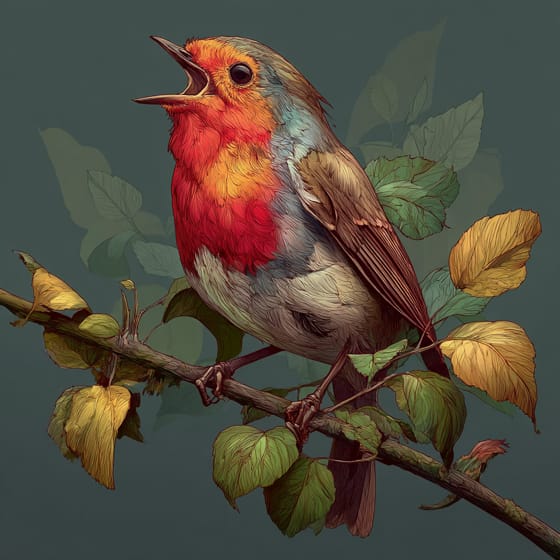
Turdus migratorius
a common bird predator

Vespula maculifrons
wasps can prey on spiders
Solitary animals live alone for most of their lives, only interacting with others for mating or parental care.
Arboreal animals live primarily in trees, utilizing them for shelter, food, and protection from predators.
Colorful describes organisms or objects displaying a wide range of bright and distinct colors.
This trait identifies organisms whose diet consists entirely or primarily of animal tissue.

Diurnal animals are primarily active during daylight hours, typically resting or sleeping at night.
Danger
1/5 · Very low
Always observe spiders from a distance and do not touch them.
The easiest way to identify Nordmann'S Orbweaver is to use the Snappit nature identifier app.
6-15 mm
250-400 days
These spiders are insectivores, catching flying insects in their sticky orb webs.
Typically found in gardens, forests, and meadows across Europe and Asia.
Ambush
8
Zoom in to split clusters and explore where this object has been snapped.

Washington, US
You might spot Devil's Club, Scouler's Corydalis, and Pacific Banana Slug.
View guide →

Quebec, CA
You might spot Double-Crested Cormorant, Rock Pigeon, and Wild Bergamot.
View guide →
Take the discovery with you
Snap it with Snappit to identify it, learn what makes it special, and add the discovery to your collection.








.jpg&width=800)



