





North African Spiny-tailed Lizard
Uromastyx acanthinura
The North African Spiny-tailed Lizard is a colorful lizard that loves warm, sunny places. It has a spiky tail that helps it dig and stay safe from predators.
Habitat: Desert
The North African Spiny-tailed Lizard is a stocky reptile with a flattened body, covered in rough, yellowish-brown scales that offer excellent camouflage against desert rocks. Its most distinctive feature is a heavy, muscular tail armed with rows of sharp, spiky scales, making it look quite formidable.
Category
ReptilesRarity
Common
Danger
1/5 · Very low
Snaps
Be the first to snap!
Their skin can change color to help them warm up faster or cool down.
These lizards have special salt glands that help them "sneeze out" extra salt!
They often use their spiky tails to block burrow entrances from predators.
They puff up their bodies with air to look huge and scare away enemies!
The North African Spiny-tailed Lizard can swing its powerful, spike-covered tail as a shield to deter predators, making it hard to attack.
North African Spiny-tailed Lizards can dig deep burrows to escape extreme desert heat or cold, creating their own comfortable homes.
North African Spiny-tailed Lizards get vital water from plants they eat, because their efficient kidneys minimize water loss.
Mostly eats desert plants like leaves, flowers, and seeds, occasionally snacking on insects.
Age differences: Young lizards might eat more insects for protein, becoming almost exclusively plant-eaters as adults.
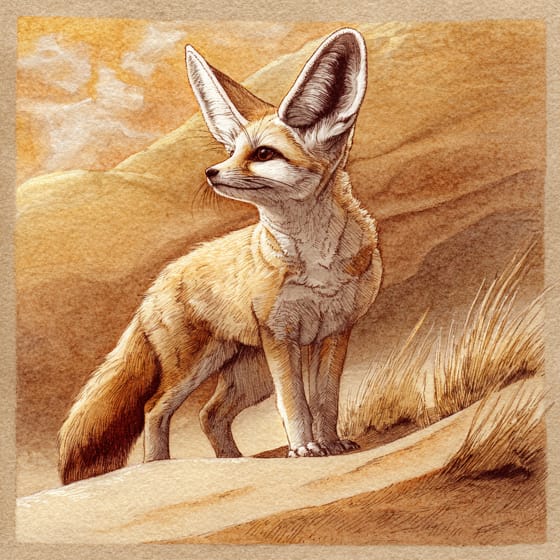
Vulpes zerda
Fennec foxes are known predators of desert reptiles.
Varanus griseus
Large desert monitors can prey on adult and juvenile lizards.
Vachellia tortilis
Lizards feed on the leaves and seeds of desert acacia trees.
Zilla spinosa
A common desert plant that provides food and hydration.
Solitary animals live alone for most of their lives, only interacting with others for mating or parental care.
Burrowing animals dig tunnels and chambers in the ground, using these subterranean structures for shelter, hunting, or breeding.
Colorful describes organisms or objects displaying a wide range of bright and distinct colors.
This trait characterizes organisms whose diet consists entirely or primarily of plant material.

Desert habitats are arid regions characterized by extremely low precipitation and often extreme temperatures, supporting specialized flora and fauna.

This trait characterizes organisms with an exceptionally long lifespan compared to others of their kind.

Possessing sharp, pointed projections or spines on the body or surface.

Diurnal animals are primarily active during daylight hours, typically resting or sleeping at night.
No aliases listed yet.
Danger
1/5 · Very low
Always watch from a distance and don’t try to touch wild lizards.
The easiest way to identify North African Spiny-tailed Lizard is to use the Snappit nature identifier app.
25-45 cm
0.2-1 kg
15-25 years
25 km/h
Mostly eats desert plants like leaves, flowers, and seeds, occasionally snacking on insects.
Desert
Foraging
Zoom in to split clusters and explore where this object has been snapped.
Recent snaps will appear here as new observations are added.
Take the discovery with you
Snap it with Snappit to identify it, learn what makes it special, and add the discovery to your collection.













