





northern evening-primrose
Oenothera parviflora
The northern evening-primrose is a beautiful flower that blooms in the evening. Its bright yellow petals open up to greet the night and attract lovely moths and other nighttime creatures.
Habitat: Grasslands
The northern evening-primrose has slender, often reddish stems with lance-shaped leaves. Its small, bright yellow flowers, typically 1-2.5 cm wide, open at dusk and are distinctly bowl-shaped. Unlike some larger evening-primroses, its petals are relatively uniform.
Category
PlantsRarity
Common
Danger
1/5 · Very low
Snaps
Be the first to snap!
If you watch closely at dusk, you can see the petals unfurl quickly!
Its roots were once used by Native Americans as a nutritious vegetable!
Some believe its oil helps skin feel soft and healthy.
The flower petals have tiny "nectar guides" only insects can see!
northern evening-primrose can open its bright yellow flowers only at dusk, attracting nocturnal pollinators like moths under the moonlight.
northern evening-primrose has small seeds that can remain viable in the soil for many years, waiting for the right conditions to sprout.
northern evening-primrose can thrive in poor, sandy, or disturbed soils that other plants avoid, making it a resilient pioneer species.
Hyles lineata
Its long proboscis reaches deep for nectar.

Odocoileus virginianus
Deer browse on its leaves and stems.
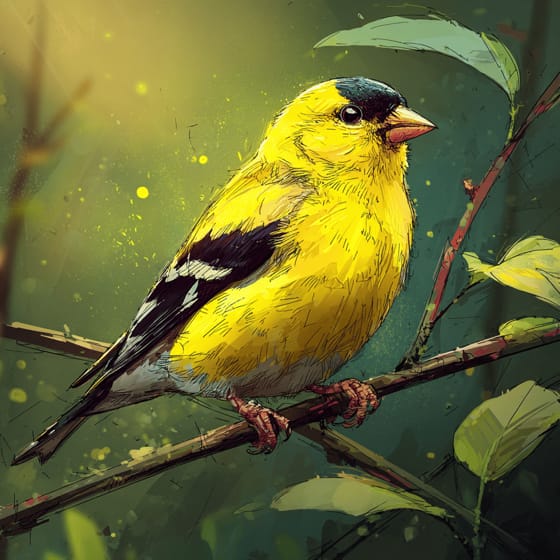
Spinus tristis
Goldfinches feast on its small seeds.
Ornamental plants are cultivated primarily for their aesthetic appeal, enhancing landscapes and gardens with their attractive foliage, flowers, or form.
Night blooming plants open their flowers after sunset, often to attract nocturnal pollinators with their scent and appearance.
Edible plants are those parts of a plant that are considered safe for human consumption.
Grassland habitats are terrestrial biomes dominated by grasses and herbaceous plants, supporting a variety of grazing animals.

Describes plants that are particularly attractive and beneficial to a wide range of pollinating organisms.
No aliases listed yet.
Danger
1/5 · Very low
Always look but don't touch flowers without asking an adult.
The easiest way to identify northern evening-primrose is to use the Snappit nature identifier app.
30-100 cm
20-50 cm
1-2.5 cm
Late summer to early fall
Yes
None
Biennial
Zoom in to split clusters and explore where this object has been snapped.
Recent snaps will appear here as new observations are added.
Take the discovery with you
Snap it with Snappit to identify it, learn what makes it special, and add the discovery to your collection.









.jpg&width=800)



_001.jpg&width=800)



