%2C_Willsboro%2C_NY_(32127843596).jpg&width=800)





northern maidenhair fern
Adiantum pedatum
The northern maidenhair fern is a beautiful plant with delicate, fan-shaped leaves. It loves to grow in shady, moist places and adds a touch of green to forests and gardens.
Habitat: Forests
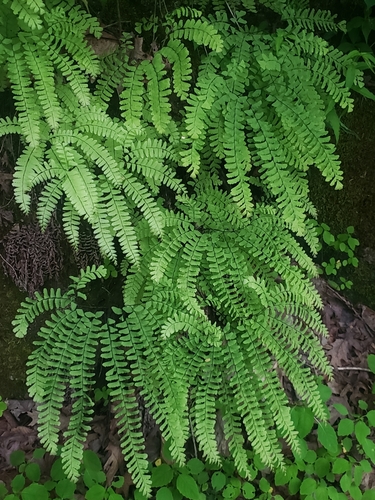
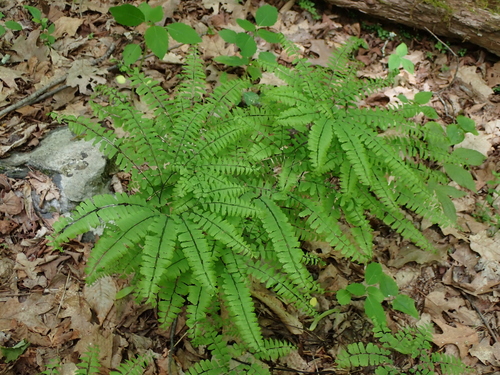
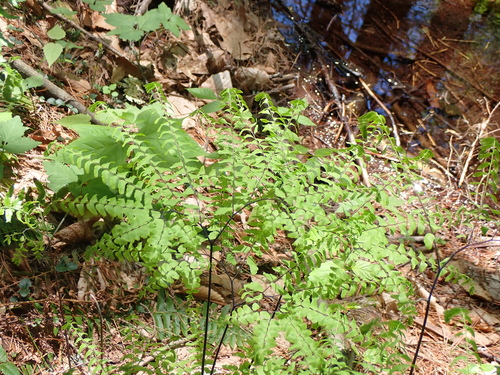
The northern maidenhair fern has delicate, bright green, fan-shaped leaflets arranged on distinctive shiny, black, wiry stems that resemble fine hair. Its fronds are circular to semicircular, creating a unique layered umbrella effect that sets it apart from other ferns.
Category
PlantsRarity
Common
Danger
1/5 · Very low
Snaps
27
Ancient peoples sometimes used this fern to make a sweet syrup to help with colds!
Instead of flowers, maidenhair ferns make tiny dust-like spores to create new plants.
Its name 'maidenhair' comes from its thin, black stems that look like shiny human hair!
This fern can grow sideways and even upside down on cliffs and rock faces!
northern maidenhair fern reproduces using tiny spores instead of seeds, which helps it spread easily in moist, shady places.
northern maidenhair fern's fronds naturally repel water, keeping its delicate leaves dry and healthy in very damp conditions.
This fern has strong, dark, wiry stems that help it stand upright and resist bending, even in windy spots.

Odocoileus virginianus
Deer may browse its tender fronds.
Arion rufus
Slugs and snails feed on the delicate leaves.
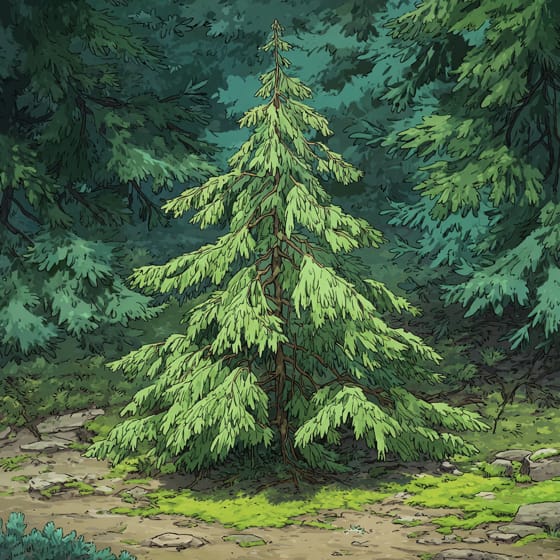
Tsuga canadensis
Thrives in the cool, moist shade provided by these trees.
Deciduous plants periodically shed all their leaves, typically during autumn or dry seasons.
Ornamental plants are cultivated primarily for their aesthetic appeal, enhancing landscapes and gardens with their attractive foliage, flowers, or form.
Shade tolerant plants are adapted to grow and thrive in areas with low light levels, requiring less direct sunlight.
Spore-producing organisms reproduce by releasing small, often single-celled, reproductive units called spores.

This trait signifies organisms belonging to a very old evolutionary group with ancestors dating back millions of years.

Forest habitats are terrestrial environments dominated by dense tree cover, supporting a high diversity of plant and animal life.
No aliases listed yet.
Danger
1/5 · Very low
Always look but don't touch wild plants, as some can be delicate.
The easiest way to identify northern maidenhair fern is to use the Snappit nature identifier app.
30-60 cm
30-60 cm
No
None
Perennial
Forests
Zoom in to split clusters and explore where this object has been snapped.
May 22, 2026
Berkshire Botanical GardenPhoto attribution
no rights reserved
License: CC0 1.0 ↗
Image may be shown cropped inside the card frame.
May 17, 2026
October Mountain State ForestPhoto attribution
no rights reserved
License: CC0 1.0 ↗
Image may be shown cropped inside the card frame.

Rhode Island, US
You might spot Common Mugwort, Duck, and Azure Bluet.
View guide →

Massachusetts, US
You might spot Eastern Newt, Purple Pitcher Plant, and Hobblebush.
View guide →

Connecticut, US
You might spot Bold Jumping Spider and American Tuliptree.
View guide →

Massachusetts, US
You might spot Common Eastern Bumble Bee and Eastern Skunk Cabbage.
View guide →
Iowa, US
You might spot Northern Maidenhair Fern and Wood Nettle.
View guide →

Ohio, US
You might spot Large White Trillium, Fire Pink, and Christmas Fern.
View guide →
Take the discovery with you
Snap it with Snappit to identify it, learn what makes it special, and add the discovery to your collection.







.jpg&width=800)



_001.jpg&width=800)



