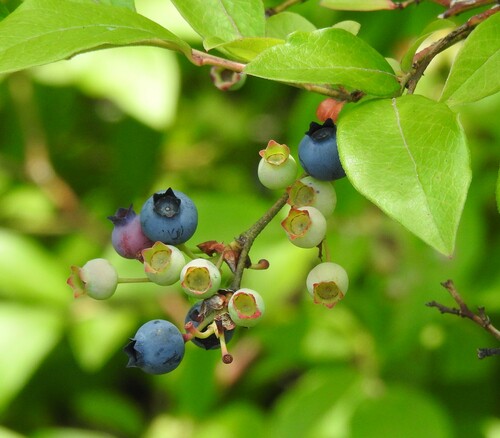


Northern Highbush Blueberry
vaccinium corymbosum
The Northern Highbush Blueberry is a crown-forming deciduous shrub native to eastern North America. Renowned for its sweet, deep-blue berries, this woody perennial is a foundational species in acidic wetland ecosystems, providing crucial food and shelter for a wide range of wildlife. Beyond its ecological significance, it is the primary genetic ancestor of most commercially cultivated blueberries enjoyed globally today, making it one of the most economically important wild fruit plants in North America.
Habitat: Found in acidic bogs, swamps, wet woods, and lake margins, often growing in sandy or peaty soils.
This upright shrub typically grows between 1.5 to 4 meters tall, featuring multiple woody stems that branch out to form a dense, rounded crown. Its leaves are alternate, ovate, and dark green, turning into brilliant shades of orange, yellow, and red in autumn. In late spring, it produces clusters of delicate, white-to-pink, urn-shaped flowers. These blooms are followed by round, fleshy berries that ripen from green to a dusty, powdery blue-black, measuring about 5 to 12 millimeters in diameter in the wild.
Category
PlantsRarity
Common
Danger
1/5 · Very low
Snaps
1
During autumn, the foliage transforms into an intense crimson color, making it a popular choice for ornamental landscaping.
The powdery, waxy coating on the blueberries is called the 'bloom', which acts as a natural sunscreen and barrier against pests.
This species was first successfully domesticated in the early 1900s through the collaborative work of botanist Frederick Coville and grower Elizabeth White.
Successfully thrives in highly acidic, nutrient-poor soils where other plants struggle, utilizing specialized ericoid mycorrhizal fungi to absorb nitrogen.
Features specialized bell-shaped flowers that require bees to vibrate their bodies to release the tightly held pollen.
Undergoes physiological changes in autumn to survive temperatures well below freezing, ensuring dormant buds survive the winter.
As a photosynthetic plant, it manufactures its own sugars using sunlight, water, and carbon dioxide, supplemented by soil minerals.
Bombus impatiens
Bumblebees buzz-pollinate the flowers to gather pollen while assisting in the plant's fertilization process.
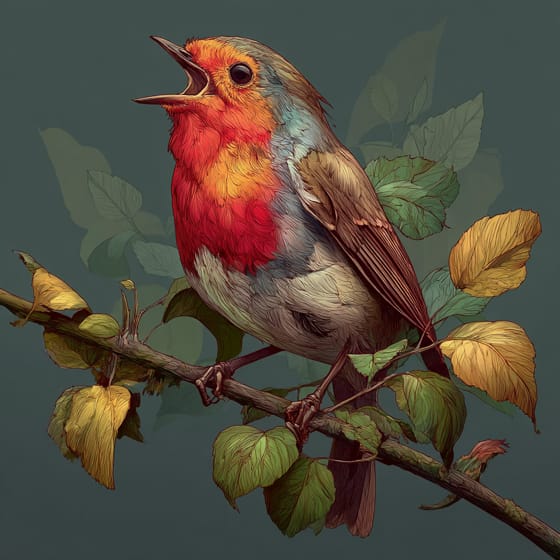
Turdus migratorius
Robins consume the ripe berries in large numbers during summer, helping disperse the seeds through their droppings.
Ursus americanus
Black bears forage on the energy-dense berries in late summer to build up fat reserves before hibernation.
No trait badges are assigned for this object yet.
No aliases listed yet.
Collections for this object will appear here as more themes are added.
Danger
1/5 · Very low
No special safety notes yet.
The easiest way to identify Northern Highbush Blueberry is to use the Snappit nature identifier app.
100-400 cm
30-60 years
As a photosynthetic plant, it manufactures its own sugars using sunlight, water, and carbon dioxide, supplemented by soil minerals.
Found in acidic bogs, swamps, wet woods, and lake margins, often growing in sandy or peaty soils.
Photosynthesis
Zoom in to split clusters and explore where this object has been snapped.

Connecticut, US
You might spot American Nursery Web Spider and Common Eastern Bumble Bee.
View guide →
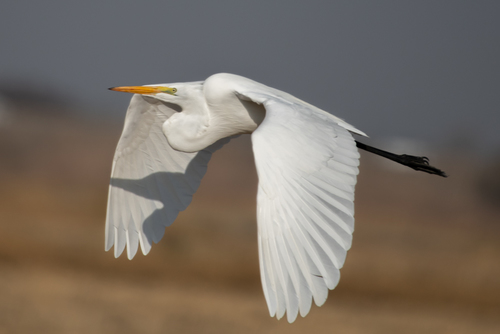
New Jersey, US
You might spot Great Egret, Eastern White Pine, and Haircap Mosses.
View guide →
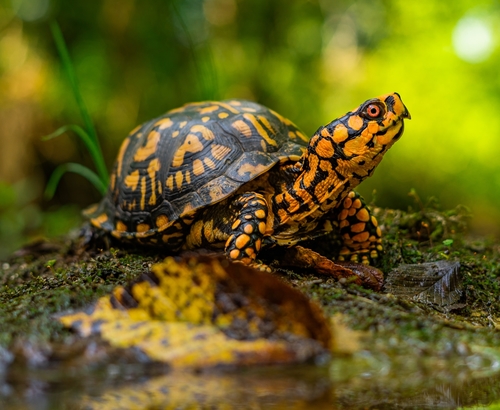
Virginia, US
You might spot Eastern Box Turtle, True Sedges, and True Lilies.
View guide →
Take the discovery with you
Snap it with Snappit to identify it, learn what makes it special, and add the discovery to your collection.











.jpg&width=800)



_001.jpg&width=800)




