





Red-Seeded Dandelion
taraxacum erythrospermum
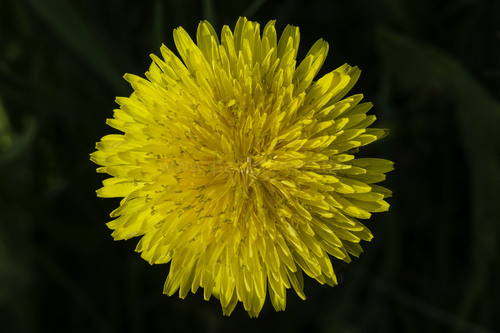
The Red-Seeded Dandelion is a cheerful flower that loves to grow in sunny places! Its bright yellow petals turn into fluffy white seeds that float away in the wind.
Habitat: You can find Red-Seeded Dandelions in gardens, parks, and fields.
The Red-Seeded Dandelion is a small plant with deeply lobed, often reddish-tinged leaves in a basal rosette. Its bright yellow flower heads resemble common dandelions but are notable for their brick-red or reddish-brown seeds, distinguishing them visually.
Category
PlantsRarity
Common
Danger
0/5 · No known danger
Snaps
Be the first to snap!
Did you know dandelion flowers follow the sun's path across the sky each day?
Its bright red seeds look like tiny jewels ready for an amazing journey!
Its flowers open in the morning and close at night, like a tiny plant alarm clock!
The milky sap from its stem can be used to remove warts – it's a natural remedy!
Red-Seeded Dandelion has feathery parachutes on its seeds that help it fly far and wide on the wind, spreading its offspring.
It has a deep, strong taproot that helps it find water and nutrients far underground, surviving dry spells and tough soils.
Red-Seeded Dandelion can make perfect copies of itself without needing pollen from another plant, ensuring it can always reproduce.
Apis mellifera
collects nectar and pollen
Bombus impatiens
gathers pollen and nectar
.JPG&width=800)
Sylvilagus floridanus
grazes on its tender leaves
Colorful describes organisms or objects displaying a wide range of bright and distinct colors.
Grassland habitats are terrestrial biomes dominated by grasses and herbaceous plants, supporting a variety of grazing animals.
This trait characterizes organisms whose diet consists entirely or primarily of plant material.
Describes organisms that break down dead organic material, recycling nutrients back into the ecosystem.

Describes organisms that transfer pollen, enabling the fertilization and reproduction of plants.
Danger
0/5 · No known danger
Always wash hands after touching plants!
The easiest way to identify Red-Seeded Dandelion is to use the Snappit nature identifier app.
5-30 cm
10-20 cm
2-3 cm
Spring to fall
Yes
None
Perennial
Zoom in to split clusters and explore where this object has been snapped.
Recent snaps will appear here as new observations are added.
Take the discovery with you
Snap it with Snappit to identify it, learn what makes it special, and add the discovery to your collection.









.jpg&width=800)



_001.jpg&width=800)




