





Northern Legless Lizard
Anniella pulchra
The Northern Legless Lizard is a special lizard that doesn't have legs! It has a shiny, smooth body and loves to burrow in the sand. This lizard is great at hiding and can be found in sunny places.
Habitat: Desert
The Northern Legless Lizard has a slender, worm-like body covered in smooth, shiny scales, often golden-brown or silvery-grey. It completely lacks limbs, appearing similar to a snake, but possesses tiny eyelids and ear openings that snakes do not.
Category
ReptilesRarity
Common
Danger
1/5 · Very low
Snaps
Be the first to snap!
It has eyelids and can blink, unlike most snakes!
Legless lizards "swim" through loose sand with impressive ease!
These lizards can live for over a decade in the wild.
They use their strong, shovel-like snout for digging tunnels.
Northern Legless Lizard can drop its wiggling tail to confuse predators, allowing the lizard to escape safely.
Northern Legless Lizard gives birth to live young, which helps protect its babies from harsh environmental conditions.
Northern Legless Lizard can warm up by staying just under the sand surface, helping it control its body temperature.
Tiny hunters, they feast on small insects and their larvae found hiding underground in the soil.
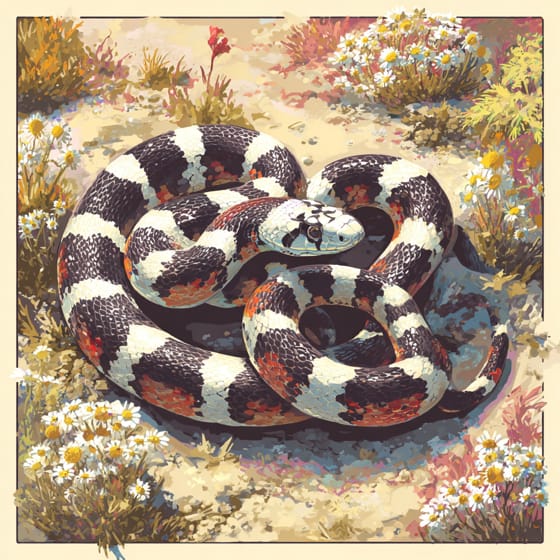
Lampropeltis californiae
A common snake predator in its native California habitat.
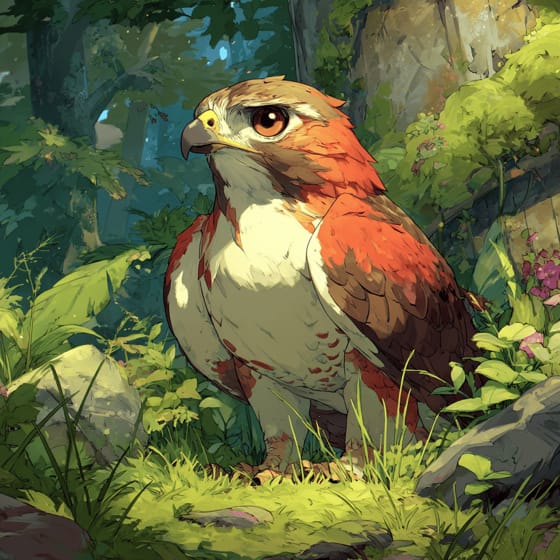
Buteo jamaicensis
Hunts from above in open areas where the lizard might surface.
Reticulitermes hesperus
A primary food source, often found within its underground tunnels.

Pogonomyrmex californicus
Eats these ants found while foraging under rocks and soil.
Solitary animals live alone for most of their lives, only interacting with others for mating or parental care.
Burrowing animals dig tunnels and chambers in the ground, using these subterranean structures for shelter, hunting, or breeding.
Camouflaged describes organisms that possess coloring or patterns that allow them to blend into their environment.
This trait identifies organisms whose diet primarily consists of insects and other small invertebrates.

Desert habitats are arid regions characterized by extremely low precipitation and often extreme temperatures, supporting specialized flora and fauna.

This trait identifies organisms that exhibit exceptional swiftness in movement for hunting, escape, or travel.

Endangered status indicates a species is at a very high risk of extinction in the wild in the near future.
No aliases listed yet.
Danger
1/5 · Very low
If you see a lizard, watch it from a distance and don't try to touch it.
The easiest way to identify Northern Legless Lizard is to use the Snappit nature identifier app.
10-20 cm
0.005-0.015 kg
10-15 years
0.5 km/h
Tiny hunters, they feast on small insects and their larvae found hiding underground in the soil.
Desert
Foraging
Zoom in to split clusters and explore where this object has been snapped.
Recent snaps will appear here as new observations are added.
Take the discovery with you
Snap it with Snappit to identify it, learn what makes it special, and add the discovery to your collection.














