

Northern Red Belt
fomitopsis mounceae
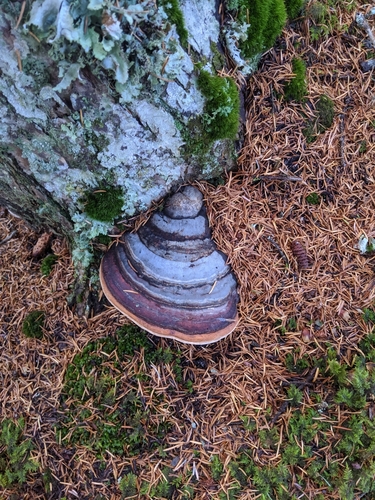
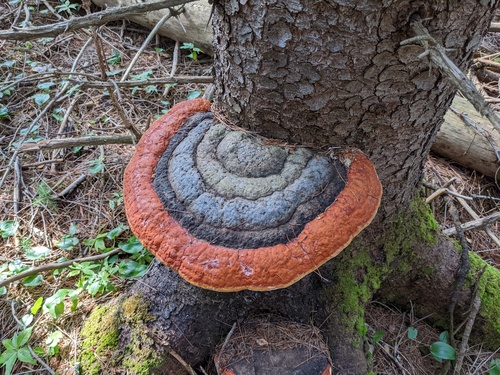
The Northern Red Belt (Fomitopsis mounceae) is a highly conspicuous, perennial bracket fungus commonly found adorning dead or dying conifers across North American forests. Formerly grouped with the Eurasian Fomitopsis pinicola, this species was recently recognized through DNA analysis as a distinct North American resident. It is a vital player in the forest ecosystem, acting as a brown-rot decomposer that breaks down dead wood and recycles nutrients back into the soil while leaving behind characteristic crumbly, blocky wood remnants. For nature lovers and hikers, spotting this sturdy, shelf-like fungus is a delight, particularly because of the vivid red or chestnut band that gives it its name, separating its dark older growth from its fresh white edge.
Habitat: Found in northern coniferous forests, often on decaying wood, dead stumps, or fallen logs.
This sturdy, woody polypore forms hoof-shaped or shelf-like brackets that can grow quite large, often spanning 5 to 30 centimeters across. Its most striking visual feature is its coloration, which typically displays three distinct zones: a dark brown, grey, or black crusty zone at the attachment base representing the oldest tissue, a glossy reddish-brown or chestnut band in the middle (the 'red belt'), and a thick, rounded, creamy-white margin where active new growth occurs. The underside features a dense layer of tiny cream-colored pores that bruise yellowish or brown when scratched. During periods of rapid, moist growth, the white margin often exudes clear or amber-colored droplets of liquid.
Category
FungiRarity
Common
Danger
1/5 · Very low
Snaps
4
Before genetic sequencing in 2019, this fungus was lumped together with the Eurasian species Fomitopsis pinicola, but DNA revealed it was actually a distinct North American species.
During periods of rapid growth, this fungus exhibits 'guttation,' weeping beautifully clear or amber droplets of liquid from its freshly growing white margins.
The tough, woody conks of the Northern Red Belt were historically used as tinder by Indigenous peoples, as the internal tissue can catch a spark and smolder for a very long time.
Produces specialized enzymes that degrade cellulose and hemicellulose in wood while leaving the rigid lignin untouched, turning tough logs into soil-building humus.
Capable of living for over a decade, it produces a new layer of spore-producing tubes each year, which creates visible growth rings on the fruiting body.
Actively secretes droplets of excess water and metabolites from its growing margins during damp, highly active growth phases.
The Northern Red Belt is a saprobic fungus that derives its nutrients by enzymatically breaking down dead and decaying wood, primarily from coniferous trees.
Age differences: None; it continues to digest the wood of its host tree throughout its lifespan.
Pseudotsuga menziesii
Breaks down the dead and dying wood of this common conifer.
Cis fuscipes
Bores into the fruiting body to feed and lay eggs.

Sitta canadensis
Excavates nests in the crumbly, brown-rotted wood created by the fungus.
No trait badges are assigned for this object yet.
No aliases listed yet.
Collections for this object will appear here as more themes are added.
Danger
1/5 · Very low
No special safety notes yet.
The easiest way to identify Northern Red Belt is to use the Snappit nature identifier app.
5-30 cm
0.1-3 kg
5-15 years
The Northern Red Belt is a saprobic fungus that derives its nutrients by enzymatically breaking down dead and decaying wood, primarily from coniferous trees.
Found in northern coniferous forests, often on decaying wood, dead stumps, or fallen logs.
Enzymatic Absorption
Zoom in to split clusters and explore where this object has been snapped.
Oct 25, 2019
SunrisePhoto attribution
(c) Alexandria 'Alex' Wenninger, some rights reserved (CC BY)
License: CC BY 4.0 ↗
Image may be shown cropped inside the card frame.

Michigan, US
You might spot Yellow Lady's Slipper and Ring-Billed Gull.
View guide →

New Hampshire, US
You might spot Wood Nettle and Water Chickweed.
View guide →
Alaska, US
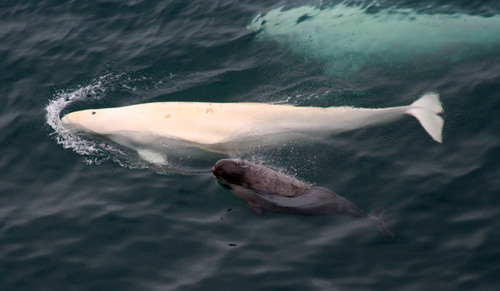
You might spot Beluga, North American Porcupine, and Meadow Buttercup.
View guide →

British Columbia, CA
You might spot Western Sword Fern, Douglas Fir, and Red Huckleberry.
View guide →

British Columbia, CA
You might spot Pacific Banana Slug and Western Sword Fern.
View guide →
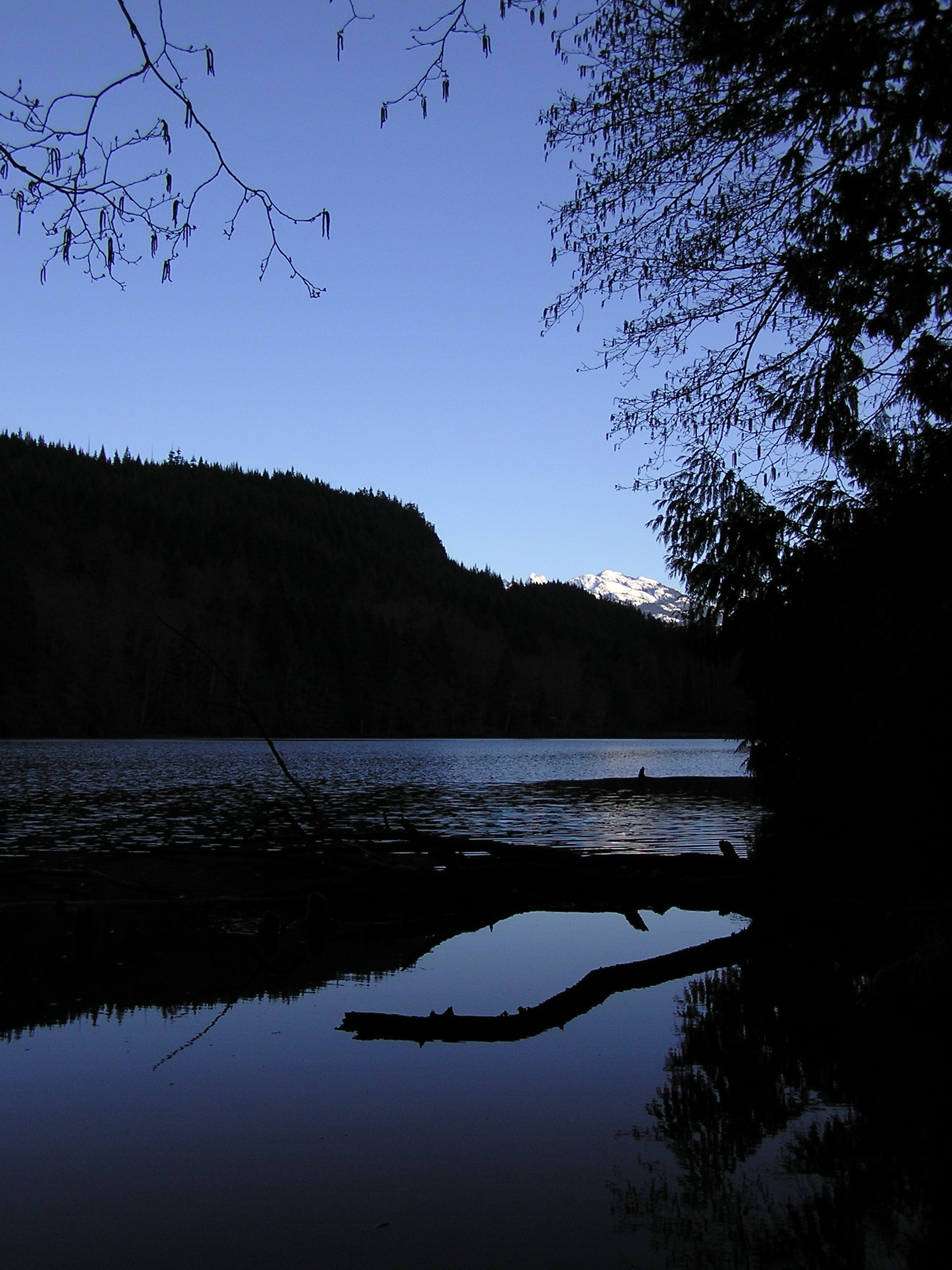
British Columbia, CA
You might spot Western Toad, Ghost Pipe, and Pacific Coralroot.
View guide →
Take the discovery with you
Snap it with Snappit to identify it, learn what makes it special, and add the discovery to your collection.