





Red-breasted Nuthatch
Sitta canadensis
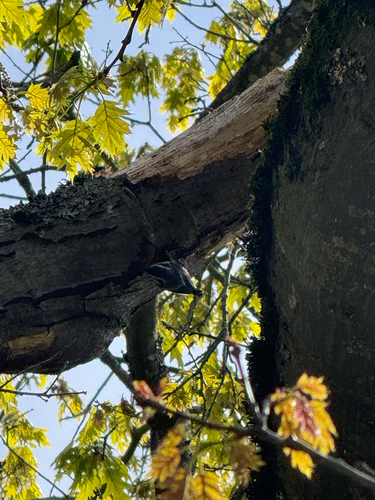
The Red-breasted Nuthatch is a small bird with a bright orange belly and a cute, tiny beak. They love to climb trees and can often be seen hanging upside down while searching for food.
Habitat: Forests
The Red-breasted Nuthatch is a small bird with a blue-gray back and a distinct rusty-orange breast and belly. It has a bold black eye-stripe contrasting with a white stripe above it, and a relatively long, pointed bill.
Category
BirdsRarity
Common
Danger
1/5 · Very low
Snaps
17
Their loud 'yank-yank' call sounds just like a tiny toy car horn honking!
These tiny birds can chip out their own nest holes in soft, dead wood!
They sometimes rub insects all over their feathers to get rid of tiny pests!
Unlike woodpeckers, they don't use their tails for support when climbing trees!
Red-breasted Nuthatches can walk headfirst down tree trunks because of specially adapted feet that allow them to grip bark from any angle.
The Red-breasted Nuthatch can plaster sticky tree sap (pitch) around its nest entrance, protecting its eggs from predators like squirrels.
Red-breasted Nuthatches have an incredible memory for storing seeds in tree bark crevices, ensuring they have food during scarce winter months.
They mainly eat insects and seeds, especially from conifers, like a tiny forest gardener!

Accipiter striatus
Small hawks often prey on these nuthatches.
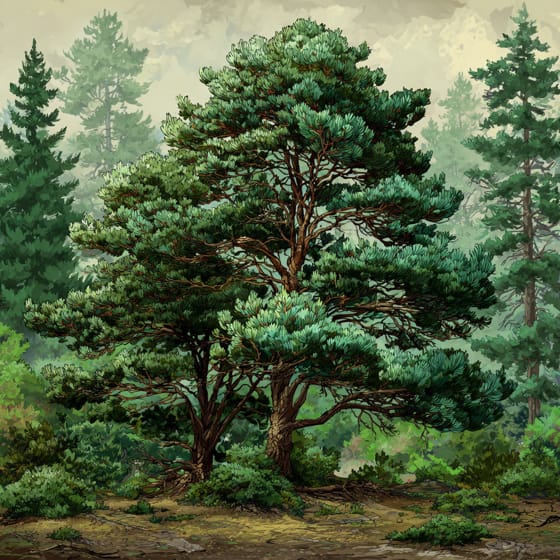
Pinus strobus
Excavates nest cavities in dead snags of pine trees.
Picea mariana
Feeds heavily on seeds from black spruce cones.

Tamiasciurus hudsonicus
These squirrels will often raid nuthatch seed caches.
Feathered describes animals, primarily birds, possessing a covering of feathers.
Social animals live in organized groups, cooperating for survival benefits such as foraging, defense, and raising offspring.
Arboreal animals live primarily in trees, utilizing them for shelter, food, and protection from predators.
Colorful describes organisms or objects displaying a wide range of bright and distinct colors.

This trait identifies organisms whose diet primarily consists of insects and other small invertebrates.

Forest habitats are terrestrial environments dominated by dense tree cover, supporting a high diversity of plant and animal life.

Diurnal animals are primarily active during daylight hours, typically resting or sleeping at night.
No aliases listed yet.
Danger
1/5 · Very low
Enjoy watching birds from a distance and don’t try to touch them.
The easiest way to identify Red-breasted Nuthatch is to use the Snappit nature identifier app.
10.5-11.5 cm
19-21 cm
0.008-0.013 kg
2-7 years
35 km/h
They mainly eat insects and seeds, especially from conifers, like a tiny forest gardener!
Forests
Zoom in to split clusters and explore where this object has been snapped.
Apr 24, 2026
Volunteer ParkPhoto attribution
(c) Max Miley, some rights reserved (CC BY)
License: CC BY 4.0 ↗
Image may be shown cropped inside the card frame.

Michigan, US
You might spot Yellow Lady's Slipper and Ring-Billed Gull.
View guide →

Montana, US
You might spot Bighorn Sheep and Mountain Goat.
View guide →

Washington, US
You might spot Rock Pigeon, Great Blue Heron, and Duck.
View guide →
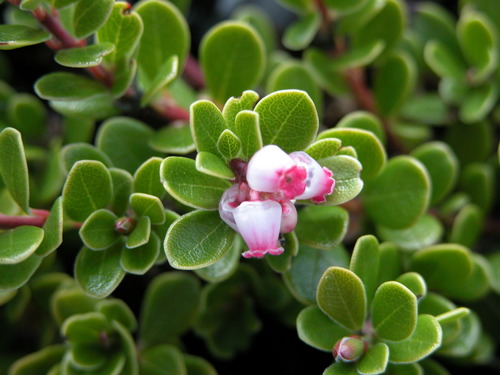
Massachusetts, US
You might spot Bearberry, Mud Fiddler Crab, and Pitch Pine.
View guide →

Oregon, US
You might spot Bald Eagle, Golden Eagle, and Snowy Owl.
View guide →

Iowa, US
You might spot Guelder-Rose, Prickly Cucumber, and Bluegill.
View guide →
Take the discovery with you
Snap it with Snappit to identify it, learn what makes it special, and add the discovery to your collection.




.jpg&width=800)







