





Northern Red-legged Frog
Rana aurora
The Northern Red-legged Frog is a small, colorful frog with bright red legs. They love to hop around in wet places and are great at blending in with their surroundings.
Habitat: Wetlands
The Northern Red-legged Frog has a reddish-brown back with scattered dark spots and a lighter, mottled underside. Its most distinctive feature is the reddish color on the underside of its hind legs and lower belly. It has relatively smooth skin, distinguishing it from warty toads.
Category
AmphibiansRarity
Common
Danger
1/5 · Very low
Snaps
6
Baby red-legged frogs, called tadpoles, eat algae before growing their legs and lungs!
Their large egg masses, laid in water, can contain over a thousand tiny eggs!
These frogs perform a 'release call' if accidentally grabbed by another male!
They use their amazing eyesight to spot delicious insects in low light.
Northern Red-legged Frogs can breathe through their moist skin that helps them absorb oxygen directly from water.
Northern Red-legged Frogs has powerful hind legs that help them jump over 2 meters to escape danger or catch prey.
Northern Red-legged Frogs has a long, sticky tongue that helps them quickly snatch insects from the air.
Northern Red-legged Frogs can stay submerged for a long time because their skin absorbs oxygen, helping them hide.
These frogs are hunters, eating many small creatures they can catch with their quick tongue!
Age differences: Tadpoles are primarily herbivorous, feeding on algae and detritus before becoming carnivorous adults.
Thamnophis sirtalis
A frequent predator of frogs and tadpoles.

Ardea alba
Wading birds often hunt frogs in shallow waters.
_female.jpg&width=800)
Libellula depressa
Adult frogs hunt various insects, including dragonflies.
Lumbricus terrestris
Frogs forage for worms and other invertebrates.
Solitary animals live alone for most of their lives, only interacting with others for mating or parental care.
Camouflaged describes organisms that possess coloring or patterns that allow them to blend into their environment.
Colorful describes organisms or objects displaying a wide range of bright and distinct colors.
This trait identifies organisms whose diet primarily consists of insects and other small invertebrates.

This habitat trait identifies species found in wetlands, which are areas of land saturated with water, either permanently or seasonally, including marshes, swamps, and bogs.

Diurnal animals are primarily active during daylight hours, typically resting or sleeping at night.

Freshwater habitats include non-saline aquatic environments such as rivers, lakes, ponds, and wetlands, vital for numerous species.

Threatened status denotes a species likely to become endangered in the foreseeable future without effective conservation interventions.

Describes organisms that transfer pollen, enabling the fertilization and reproduction of plants.
No aliases listed yet.
Danger
1/5 · Very low
Always wash your hands after touching frogs, as they can have sensitive skin.
The easiest way to identify Northern Red-legged Frog is to use the Snappit nature identifier app.
4-10 cm
0.01-0.05 kg
5-7 years
8 km/h
These frogs are hunters, eating many small creatures they can catch with their quick tongue!
Wetlands
Ambush
Zoom in to split clusters and explore where this object has been snapped.
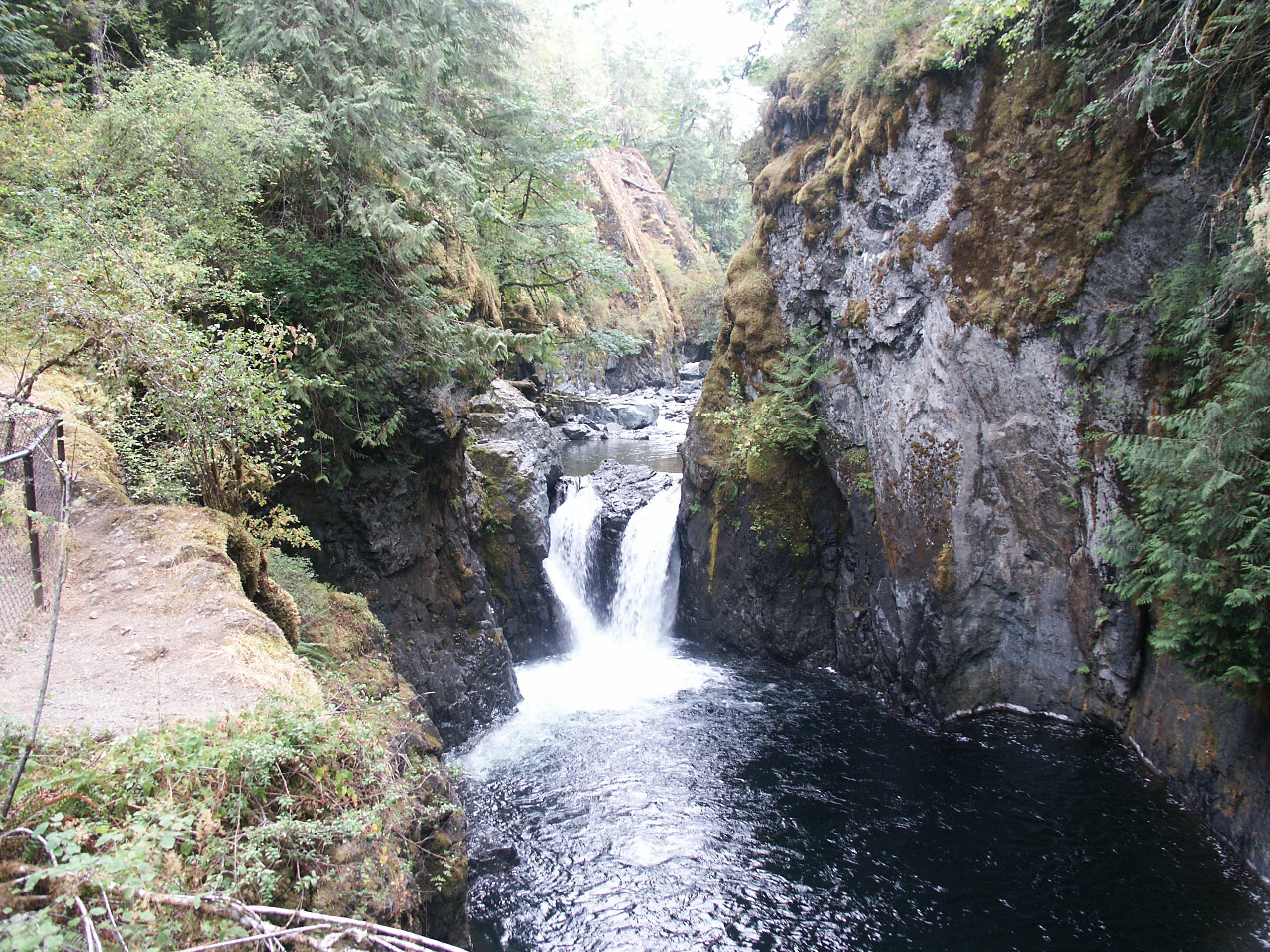
British Columbia, CA
You might spot Vanilla Leaf, Western Maidenhair Fern, and Salal.
View guide →

Oregon, US
You might spot Rough-Skinned Newt and Northern Red-Legged Frog.
View guide →

Washington, US
You might spot Broad-Leaved Stonecrop and Western Sword Fern.
View guide →

California, US
You might spot Pacific Banana Slug and Pacific Trillium.
View guide →

Washington, US
You might spot Purple Shore Crab, Western Bunchberry, and Mule Deer.
View guide →

Washington, US
You might spot Cross Orbweaver, Duck, and Fringed Willowherb.
View guide →
Take the discovery with you
Snap it with Snappit to identify it, learn what makes it special, and add the discovery to your collection.







.JPG&width=800)



.jpg&width=800)

