





Streamside Salamander
Ambystoma barbouri
The Streamside Salamander is a small, cute creature that loves to live near streams and ponds. It has a smooth, shiny skin and can be gray or brown with bright yellow spots!
Habitat: Wetlands
The Streamside Salamander is dark brown to black with scattered light gray or silvery flecks on its sides and tail. Its belly is typically yellowish-white. It has a moderately slender body and a relatively long, flattened tail.
Category
AmphibiansRarity
Common
Danger
1/5 · Very low
Snaps
Be the first to snap!
Females often lay their eggs one by one on the underside of rocks.
Streamside Salamanders spend most of their lives hidden underground!
Their larvae have amazing feathery gills for breathing in water.
They are nocturnal, meaning they hunt for snacks in the dark!
Streamside Salamander can regrow lost limbs or tails because of special cells, helping them recover from injuries.
Streamside Salamander can breathe through its moist skin because of tiny blood vessels, helping it absorb oxygen underwater.
Streamside Salamander has glands that produce sticky skin secretions that help deter predators.
Tiny hunters, they feast on small insects and other invertebrates found near streams.
Age differences: Larvae eat aquatic invertebrates; adults primarily hunt terrestrial insects and worms.
Thamnophis sirtalis
Adult salamanders are prey for these common snakes.
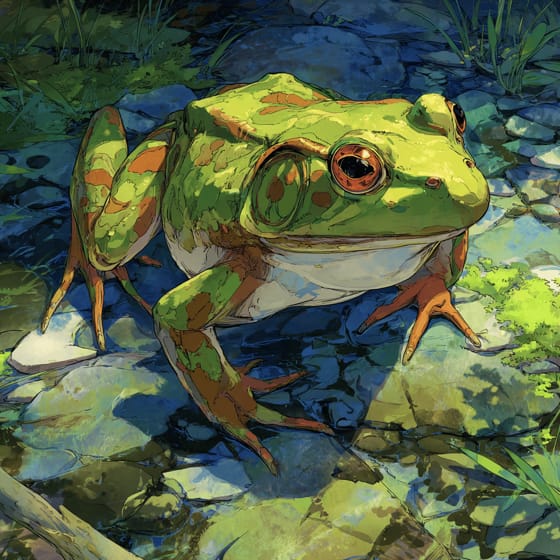
Lithobates catesbeianus
Bullfrogs are opportunistic predators of small amphibians.

Procyon lotor
Raccoons often forage along streams, preying on salamanders.
Marked with spots or patches of a different color.
Solitary animals live alone for most of their lives, only interacting with others for mating or parental care.
Camouflaged describes organisms that possess coloring or patterns that allow them to blend into their environment.
Colorful describes organisms or objects displaying a wide range of bright and distinct colors.

This trait identifies organisms whose diet primarily consists of insects and other small invertebrates.

This habitat trait identifies species found in wetlands, which are areas of land saturated with water, either permanently or seasonally, including marshes, swamps, and bogs.

Freshwater habitats include non-saline aquatic environments such as rivers, lakes, ponds, and wetlands, vital for numerous species.

Nocturnal animals are primarily active during the nighttime hours, typically resting or sleeping during the day.

Endangered status indicates a species is at a very high risk of extinction in the wild in the near future.
No aliases listed yet.
Danger
1/5 · Very low
Always wash your hands after touching salamanders, as they can be sensitive to chemicals.
The easiest way to identify Streamside Salamander is to use the Snappit nature identifier app.
10-15 cm
0.005-0.015 kg
3-7 years
0.2 km/h
Tiny hunters, they feast on small insects and other invertebrates found near streams.
Wetlands
Ambush
Zoom in to split clusters and explore where this object has been snapped.
Recent snaps will appear here as new observations are added.
Take the discovery with you
Snap it with Snappit to identify it, learn what makes it special, and add the discovery to your collection.








.JPG&width=800)


.jpg&width=800)

