




Carpenter Bee

Nestled in the heart of Alabama, the Birmingham Botanical Gardens offers a serene 67-acre urban oasis, inviting visitors to immerse themselves in the beauty and diversity of the plant kingdom.
Nestled in the heart of Alabama, the Birmingham Botanical Gardens offers a serene 67-acre urban oasis, inviting visitors to immerse themselves in the beauty and diversity of the plant kingdom. This lush sanctuary features over two dozen distinct garden installations, an impressive collection of more than 12,000 plant species, and numerous tranquil water features, providing a refreshing escape for nature lovers and families alike. As you wander through its diverse landscapes, you might spot common inhabitants like the Eastern Gray Squirrel darting amongst the trees or various bees and butterflies, such as the Common Eastern Bumble Bee and Gulf Fritillary, flitting among vibrant blooms.
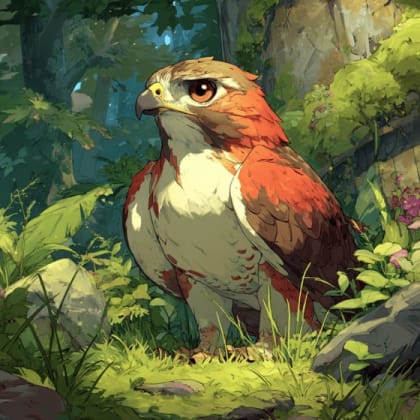
The Gardens are a living canvas, showcasing a rich tapestry of horticultural artistry and natural habitats. Highlights include the captivating Japanese Garden with its iconic red Torii gate, serene koi ponds, and traditional teahouse, as well as the vibrant Dunn Formal Rose Garden, bursting with fragrant blossoms. The Conservatory provides a tropical escape, while the Southern Living Garden offers a quintessential taste of regional flora like azaleas and crape myrtles. Birdwatchers will delight in the potential to observe species such as the Red-tailed Hawk, Great Blue Heron, and Eastern Towhee, especially in natural areas like the Kaul Wildflower Garden and wooded sections.
A visit to the Birmingham Botanical Gardens is a memorable journey for all ages, offering a peaceful retreat and a chance to connect with the natural world. Whether you're exploring the Bruno Vegetable Garden, seeking out blooming camellias in winter, or enjoying a picnic on the expansive lawns, the Gardens provide endless opportunities for relaxation, education, and inspiration. With free admission and a constantly evolving display of seasonal beauty, it's a place where every visit reveals something new, from the intricate details of a Twin-flagged Jumping Spider on a leaf to the broad wingspan of a soaring Red-tailed Hawk. Be ready to snap and learn! Get the Snappit app to identify any nature species you find here.
The Birmingham Botanical Gardens, spanning 67.5 acres, officially opened to the public in 1963 with the completion of its glass conservatory. The vision for the Gardens began earlier, with the first Master Plan commissioned by Mayor Morgan. Dr. Henry Teuscher, curator of the Montreal Botanical Garden, designed this initial plan, emphasizing native plants. Key early developments included the formal rose garden, wildflower garden, and the Japanese Garden, which began construction in 1965 with community funding. The Japanese Garden notably features a teahouse brought from the New York World's Fair. Expansions throughout the 1970s and 1980s further solidified its status as one of Alabama's most cherished landmarks.
Stroll through over 20 unique garden areas, engage in photography, enjoy a picnic, explore the on-site library, or simply relax in peaceful surroundings. Birdwatching is popular, with many species like the Carolina Wren and American Robin present. Educational programs and seasonal events are also frequently held.
Spring: A prime time to see azaleas and many other plants in full bloom.
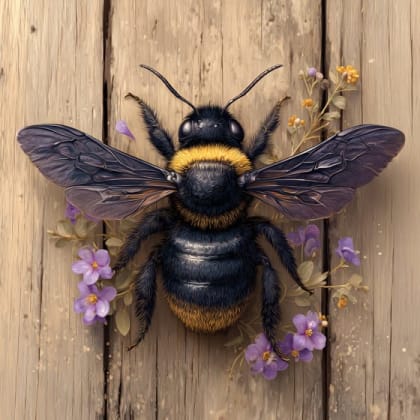
Summer: Lush greenery, vibrant annuals, and opportunities to see pollinators like Eastern Carpenter Bees and Western Honey Bees.
Fall: Autumn foliage and late-season blooms.
Winter: Camellias are in full splendor, and the Conservatory offers a warm escape. Bird activity is generally good year-round, though songbird activity might lull in the hottest summer months.
The parking lot and Garden Center, including the Library, are ADA compliant and barrier-free. Complimentary wheelchairs are available on a first-come, first-served basis from the front desk during Garden Center operating hours. While many paths are hard-surfaced, some areas of the Gardens may not be entirely barrier-free and might require assistance.
Featuring a traditional Torii gate, koi ponds, a teahouse, and tranquil landscaping.
A classic favorite with a vast array of roses.
Houses tropical and arid plant collections.
Showcases plants that thrive in the Southern climate, such as azaleas and crape myrtles.
Each card links to a full Explore page with photos, traits, and fun facts.
Start with the big picture, then zoom in to explore individual wildlife observations around this place.
Check the "What's in Bloom" section online** before your visit to see current floral highlights and plan your route accordingly.
Bring a reusable water bottle
There's a free water fountain available at the end of the Terrace for refills.
Pack a picnic
Enjoy your meal on one of the many picnic tables or spread a blanket on the lawn.
Wear comfortable shoes
With miles of walking paths and 67 acres to explore, comfortable footwear is a must.
Utilize the free parking, but lock your vehicle: Parking is free, but it's always wise to lock your car and avoid leaving valuables in plain sight.
Visit the Library at the Gardens
Explore gardening books, children's resources, and a seed exchange during its operating hours (Monday-Friday, 9 a.m. - 4 p.m.).
Jan 29, 2026
Jan 29, 2026
Jan 29, 2026
Jan 1, 2026
Dec 29, 2025

Maryland, US
You might spot White-Tailed Deer and Eastern Gray Squirrel.
View guide →
.jpg)
District of Columbia, US
You might spot Eastern Gray Squirrel, Duck, and House Sparrow.
View guide →

Illinois, US
You might spot American Robin, Canada Goose, and House Sparrow.
View guide →

Virginia, US
You might spot Spotted Lanternfly and Northern Cardinal.
View guide →
Take the discovery with you
Identify the wildlife you spot, learn as you go, and keep a collection of the adventure.