





Oak Winter Highflier
Hydriomena nubilofasciata
The Oak Winter Highflier is a special moth that loves to flutter around oak trees. It has beautiful patterns on its wings that help it blend in with the bark.
Habitat: Forests
The Oak Winter Highflier is a medium-sized moth with mottled grey, brown, and pale green wings. Its forewings feature wavy lines and blotches, creating a striking resemblance to tree bark or lichen. This intricate patterning makes it visually distinct among winter insects.
Category
InsectsRarity
Common
Danger
1/5 · Very low
Snaps
Be the first to snap!
Its caterpillar stage can change colors to match the oak leaves it eats!
Males have feathery antennae to sniff out females from far away!
The adult moths don't eat at all; they live off energy stored as caterpillars!
This moth is one of the few insects you can spot flying on a snowy winter day!
Oak Winter Highflier has wings patterned like tree bark that helps them disappear against oak trunks to avoid hungry birds.
Oak Winter Highflier can fly and be active in chilly winter weather because of special biological antifreeze that helps them survive freezing temperatures.
Oak Winter Highflier can see well in low light conditions because of large, sensitive eyes that help them find mates and food at night.
As caterpillars, they munch on oak leaves; adults don't eat, living off stored energy!
Age differences: Caterpillars are herbivores eating oak leaves; adult moths do not feed.

Poecile carolinensis
Chickadees forage for overwintering insects, including this moth.
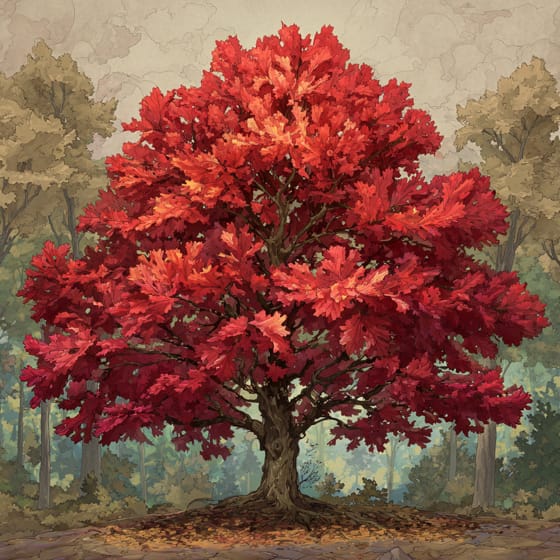
Quercus rubra
Its caterpillars feed exclusively on the leaves of this oak.
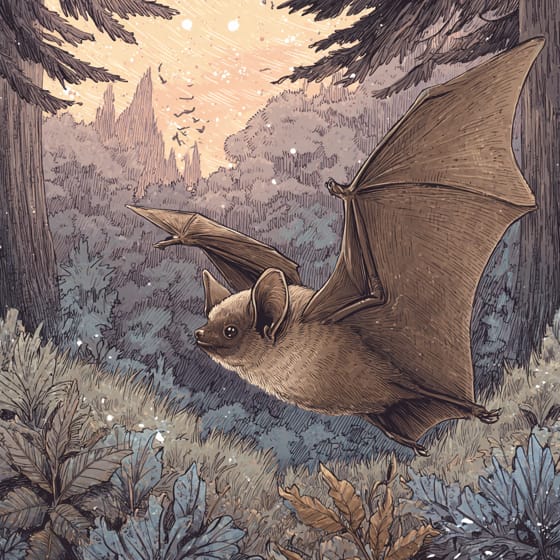
Myotis lucifugus
Nocturnal bats use echolocation to hunt these flying moths.
Solitary animals live alone for most of their lives, only interacting with others for mating or parental care.
Camouflaged describes organisms that possess coloring or patterns that allow them to blend into their environment.
This trait characterizes organisms whose diet consists entirely or primarily of plant material.
Forest habitats are terrestrial environments dominated by dense tree cover, supporting a high diversity of plant and animal life.

Nocturnal animals are primarily active during the nighttime hours, typically resting or sleeping during the day.

Describes organisms that transfer pollen, enabling the fertilization and reproduction of plants.
No aliases listed yet.
Danger
1/5 · Very low
Moths are usually safe to watch, but don't touch them as they can be delicate.
The easiest way to identify Oak Winter Highflier is to use the Snappit nature identifier app.
25-35 mm
10-15 mm
10-20 days
5-15 km/h
As caterpillars, they munch on oak leaves; adults don't eat, living off stored energy!
Forests
Foraging
Zoom in to split clusters and explore where this object has been snapped.
Recent snaps will appear here as new observations are added.
Take the discovery with you
Snap it with Snappit to identify it, learn what makes it special, and add the discovery to your collection.








.jpg&width=800)



