





oakleaf hydrangea
Hydrangea quercifolia
The oakleaf hydrangea is a beautiful shrub with big, fluffy flowers that can be white or pink. Its leaves look like oak leaves, making it special and easy to recognize in gardens.
Habitat: Forests
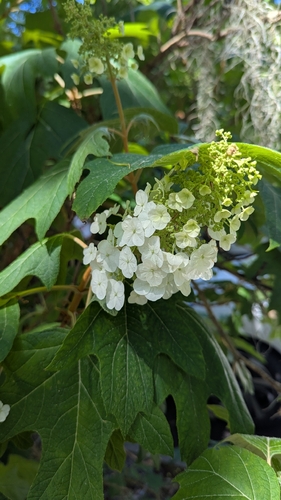
The oakleaf hydrangea has large, conical clusters of white flowers that gradually turn pink or purplish as they age. Its striking deep green leaves are distinctly lobed, resembling an oak tree's, and transform into vibrant shades of crimson, bronze, or purple in autumn.
Category
PlantsRarity
Common
Danger
1/5 · Very low
Snaps
4
Early Americans used parts of this plant for traditional remedies for various ailments!
Its stunning flower clusters can grow over a foot long, like giant white cones!
The unique bark peels off in papery strips, revealing a beautiful, layered cinnamon color!
Unlike many hydrangeas, its flower color isn't changed by soil acidity, always starting white!
Oakleaf hydrangea has cinnamon-brown, peeling bark that creates visual appeal and offers protection through cold winter months.
This plant's large leaves turn stunning shades of red, bronze, and purple in fall, standing out brightly in the landscape.
Once established, the oakleaf hydrangea can tolerate periods of dry weather, helping it survive hotter, drier summers.
Apis mellifera
gathers nectar and pollen
Bombus impatiens
aids in plant reproduction
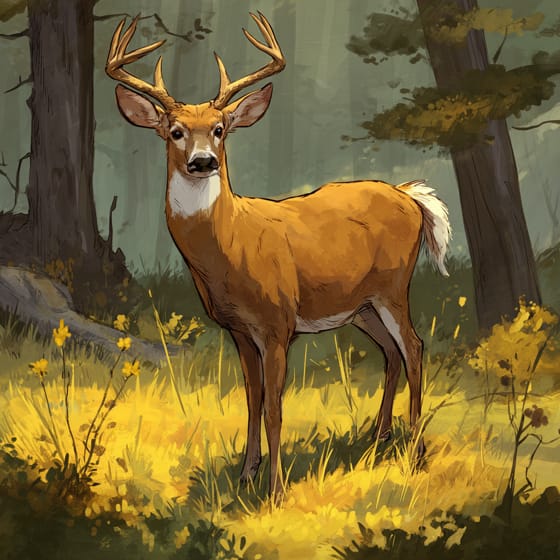
Odocoileus virginianus
browses leaves and stems
Deciduous plants periodically shed all their leaves, typically during autumn or dry seasons.
Flowering plants are any plants that produce flowers as part of their reproductive cycle.
A shrub is a woody plant smaller than a tree, typically with multiple stems branching from or near the ground.
Summer blooming plants produce their flowers during the summer season, often providing vibrant color when many other plants have finished.

Colorful describes organisms or objects displaying a wide range of bright and distinct colors.

Fall color refers to the seasonal change in foliage pigmentation, primarily in deciduous plants, displaying vibrant hues.

Describes plants that are particularly attractive and beneficial to a wide range of pollinating organisms.

Forest habitats are terrestrial environments dominated by dense tree cover, supporting a high diversity of plant and animal life.
No aliases listed yet.
Danger
1/5 · Very low
Always look but don't touch the plants without asking an adult.
The easiest way to identify oakleaf hydrangea is to use the Snappit nature identifier app.
120-240 cm
120-240 cm
2-3 cm
Summer
No
Mild
Perennial
Zoom in to split clusters and explore where this object has been snapped.
Apr 17, 2026
Fort CarolinePhoto attribution
(c) Ben Mowbray, some rights reserved (CC BY)
License: CC BY 4.0 ↗
Image may be shown cropped inside the card frame.

Georgia, US
You might spot Eastern Gray Squirrel, Domestic Cat, and American Robin.
View guide →

Florida, US
You might spot American Beautyberry and Brown Anole.
View guide →

Georgia, US
You might spot Eastern Gray Squirrel, Domestic Cat, and Anole.
View guide →

Georgia, US
You might spot Eastern Gray Squirrel, Domestic Cat, and Asian Lady Beetle.
View guide →

Georgia, US
You might spot Pond Slider, Mountain Laurel, and Little Brown Jugs.
View guide →

Georgia, US
You might spot Anole, Asian Lady Beetle, and Joro Spider.
View guide →
Take the discovery with you
Snap it with Snappit to identify it, learn what makes it special, and add the discovery to your collection.






.jpg&width=800)



_001.jpg&width=800)




