





common valerian
Valeriana officinalis
Common valerian is a lovely plant with tall stems and pretty flowers. It often grows in gardens and can help people relax when used in teas or medicines.
Habitat: Wetlands
The common valerian has tall, hollow stems and feather-like leaves. It displays clusters of tiny, fragrant flowers, typically pale pink to white, grouped at the top. This dense, fluffy bloom visually distinguishes it from many single-blossomed wildflowers.
Category
PlantsRarity
Common
Danger
1/5 · Very low
Snaps
10
Ancient Greeks used valerian for many calming remedies centuries ago.
Its name "Valeriana" might mean "to be strong and healthy" in Latin!
Sometimes called "All-Heal," showing its historical value in medicine!
The powerful root scent even attracts cats, like catnip, and rats too!
Common valerian's roots emit a distinct, pungent scent, which may deter some pests and attract felines.
Its many tiny flowers cluster into a broad, flat-topped head, creating an efficient landing platform for pollinators.
Common valerian spreads using underground stems called rhizomes, allowing it to colonize new areas effectively.
Apis mellifera
For pollination and seed production.
Bombus terrestris
A key pollinator for its flowers.
Ectoedemia arcuatella
Larvae mine its leaves.
Hydriomena furcata
Caterpillars feed on its foliage.
Aphis fabae
Feeds on its plant sap.
Aromatic plants produce and emit fragrant volatile organic compounds, often for defense or to attract pollinators.
Flowering plants are any plants that produce flowers as part of their reproductive cycle.
Biennial plants complete their life cycle over two growing seasons, typically forming foliage in the first year and flowering/seeding in the second.
Fragrant flowers emit a pleasant aroma, often to attract pollinators or for defense.

Medicinal plants possess chemical compounds that can be used for therapeutic purposes to treat illnesses or maintain health.

Describes plants that are particularly attractive and beneficial to a wide range of pollinating organisms.

This habitat trait identifies species found in wetlands, which are areas of land saturated with water, either permanently or seasonally, including marshes, swamps, and bogs.
Danger
1/5 · Very low
Always ask an adult before touching or picking any plants.
The easiest way to identify common valerian is to use the Snappit nature identifier app.
50-150 cm
30-60 cm
0.3-0.5 cm
Summer
Yes
Mild
Perennial
Zoom in to split clusters and explore where this object has been snapped.

Michigan, US
You might spot Yellow Lady's Slipper and Ring-Billed Gull.
View guide →

New Hampshire, US
You might spot Eastern White Pine and White-Tailed Deer.
View guide →

New York, US
You might spot Canada Goose, Duck, and Eastern Gray Squirrel.
View guide →

Illinois, US
You might spot Common Eastern Bumble Bee and Brown-Belted Bumble Bee.
View guide →
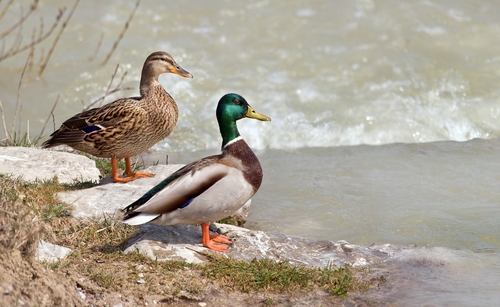
New York, US
You might spot Duck, Water Caltrop, and Spotted Lanternfly.
View guide →

Connecticut, US
You might spot Garlic Mustard, Common Mugwort, and Green Frog.
View guide →
Take the discovery with you
Snap it with Snappit to identify it, learn what makes it special, and add the discovery to your collection.








.jpg&width=800)


_001.jpg&width=800)




