





Brown-throated Three-toed Sloth
Bradypus variegatus
The Brown-throated Three-toed Sloth is a slow-moving animal that loves to hang out in trees. They have long arms and can sleep for up to 20 hours a day, making them one of the sleepiest animals in the world!
Habitat: Forests
The Brown-throated Three-toed Sloth has shaggy, grey-brown fur with a distinctive dark mask around its eyes and a pale brown throat. Its small, flat face and three long, curved claws on each limb make it visually unique among arboreal mammals.
Category
MammalsRarity
Common
Danger
1/5 · Very low
Snaps
Be the first to snap!
A sloth's super strong grip lets them stay attached to branches even during powerful storms!
Sloths can survive bites from venomous snakes that would kill most other mammals!
Sloths have more neck bones than a giraffe, allowing them to turn their heads nearly 270 degrees!
Their fur parts along their belly, so rainwater flows off easily when they're hanging upside down!
Brown-throated Three-toed Sloth can hang upside down for hours because of special tendons that lock their claws, saving energy.
Brown-throated Three-toed Sloth has a huge four-chambered stomach that helps them digest tough, low-nutrient leaves slowly.
Brown-throated Three-toed Sloth has grooved fur that grows algae, giving them a green tint that helps them hide in trees.
These slow-moving mammals munch on leaves, buds, and twigs high in the trees.
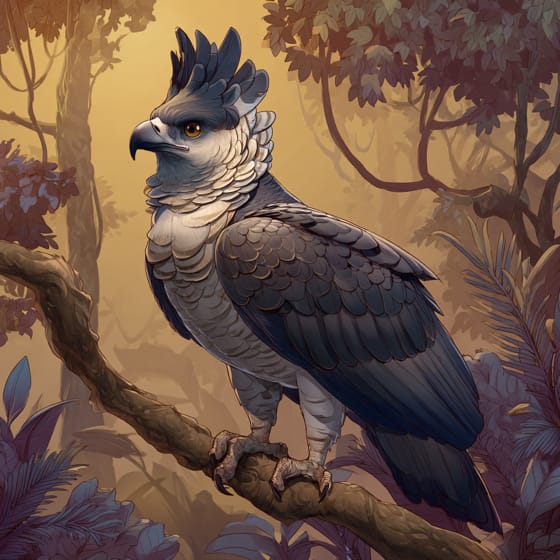
Harpia harpyja
A main predator in its rainforest home.
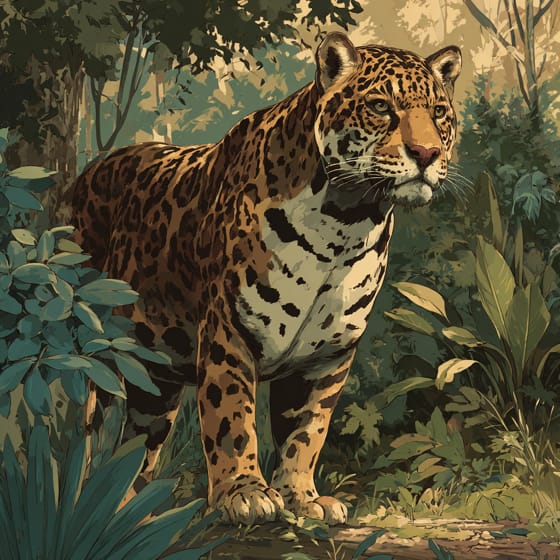
Panthera onca
These big cats will hunt sloths if they can catch them.
Trichophilus welckeri
Algae grows on fur, providing camouflage and possibly nutrients.
Cryptoses choloepi
Moths live in fur and lay eggs in sloth droppings.
Cecropia obtusifolia
A favored tree species for food and shelter.
Furry describes animals possessing a dense covering of soft hair or fur.
Solitary animals live alone for most of their lives, only interacting with others for mating or parental care.
Arboreal animals live primarily in trees, utilizing them for shelter, food, and protection from predators.
Camouflaged describes organisms that possess coloring or patterns that allow them to blend into their environment.

This trait characterizes organisms whose diet consists entirely or primarily of plant material.

Forest habitats are terrestrial environments dominated by dense tree cover, supporting a high diversity of plant and animal life.

This trait characterizes organisms with an exceptionally long lifespan compared to others of their kind.

Endangered status indicates a species is at a very high risk of extinction in the wild in the near future.
No aliases listed yet.
Danger
1/5 · Very low
Sloths are gentle and slow, but it's best to watch them from a distance and not touch them.
The easiest way to identify Brown-throated Three-toed Sloth is to use the Snappit nature identifier app.
50-70 cm
2.5-6 kg
20-30 years
0.5 km/h
These slow-moving mammals munch on leaves, buds, and twigs high in the trees.
Forests
Foraging
Zoom in to split clusters and explore where this object has been snapped.
Recent snaps will appear here as new observations are added.
Take the discovery with you
Snap it with Snappit to identify it, learn what makes it special, and add the discovery to your collection.




.jpg&width=800)

.JPG&width=800)


.jpg&width=800)
