.jpg&width=800)





Orange Footman
Eilema sororcula
The Orange Footman is a small, fuzzy moth with bright orange and black colors. They are often found resting on leaves and are known for their unique appearance and gentle nature.
Habitat: Urban areas
The Orange Footman is a small, slender moth with striking bright orange forewings. Its hindwings are slightly paler orange, and the body is also vivid orange. A distinctive, small grey-black mark or stripe near the base of the forewing helps differentiate it.
Category
InsectsRarity
Common
Danger
1/5 · Very low
Snaps
Be the first to snap!
Adult Orange Footman moths often don't eat, living off energy stored from their caterpillar stage!
Its caterpillar spins a silk cocoon incorporating its own bristly hairs for camouflage and protection!
The caterpillar loves to snack on lichens and algae, making them tiny, fuzzy garden cleaners!
This moth earned the name 'Footman' because of its stiff, narrow wings, resembling a foot soldier's uniform!
The Orange Footman has a bright orange coloration that warns predators it might be unpalatable or toxic.
Its caterpillar can roll into a ball, using its dense hairs to deter predators from taking a bite.
Orange Footman can fly effectively in low light because of their excellent nocturnal vision, helping them find mates.
Caterpillars eat lichens and algae; adult moths typically do not feed.
Age differences: Larvae consume lichens and algae, while adults usually do not feed, relying on larval stores.
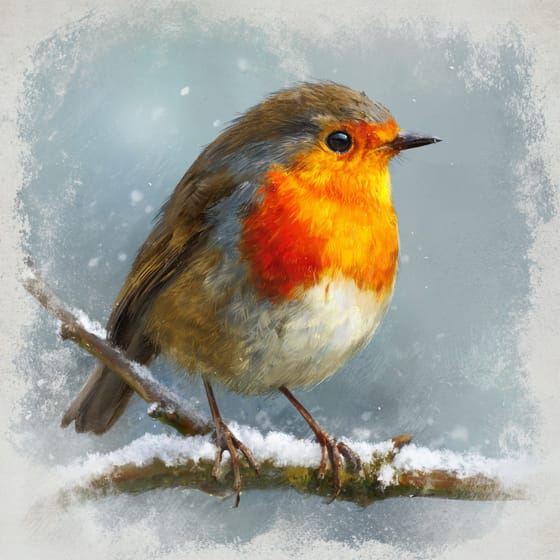
Erithacus rubecula
Robins are generalist insectivores that may prey on moths.
Pipistrellus pipistrellus
Bats actively hunt nocturnal insects, including Orange Footman moths.
Hypogymnia physodes
The caterpillars feed on this common lichen species.
Furry describes animals possessing a dense covering of soft hair or fur.
Solitary animals live alone for most of their lives, only interacting with others for mating or parental care.
Camouflaged describes organisms that possess coloring or patterns that allow them to blend into their environment.
Colorful describes organisms or objects displaying a wide range of bright and distinct colors.

This trait characterizes organisms whose diet consists entirely or primarily of plant material.

Describes plants that are particularly attractive and beneficial to a wide range of pollinating organisms.

This habitat trait indicates species that can coexist with humans in urban and suburban environments, utilizing man-made structures and green spaces.

Nocturnal animals are primarily active during the nighttime hours, typically resting or sleeping during the day.

Describes organisms that transfer pollen, enabling the fertilization and reproduction of plants.
No aliases listed yet.
Danger
1/5 · Very low
It's safe to watch these moths, but don't touch them as they are delicate.
The easiest way to identify Orange Footman is to use the Snappit nature identifier app.
25-30 mm
10-15 mm
7-14 days
Caterpillars eat lichens and algae; adult moths typically do not feed.
Urban areas
Foraging
6
Zoom in to split clusters and explore where this object has been snapped.
Recent snaps will appear here as new observations are added.
Take the discovery with you
Snap it with Snappit to identify it, learn what makes it special, and add the discovery to your collection.







.jpg&width=800)



